Sort by:
882 of 1932 products
882 of 1932 products
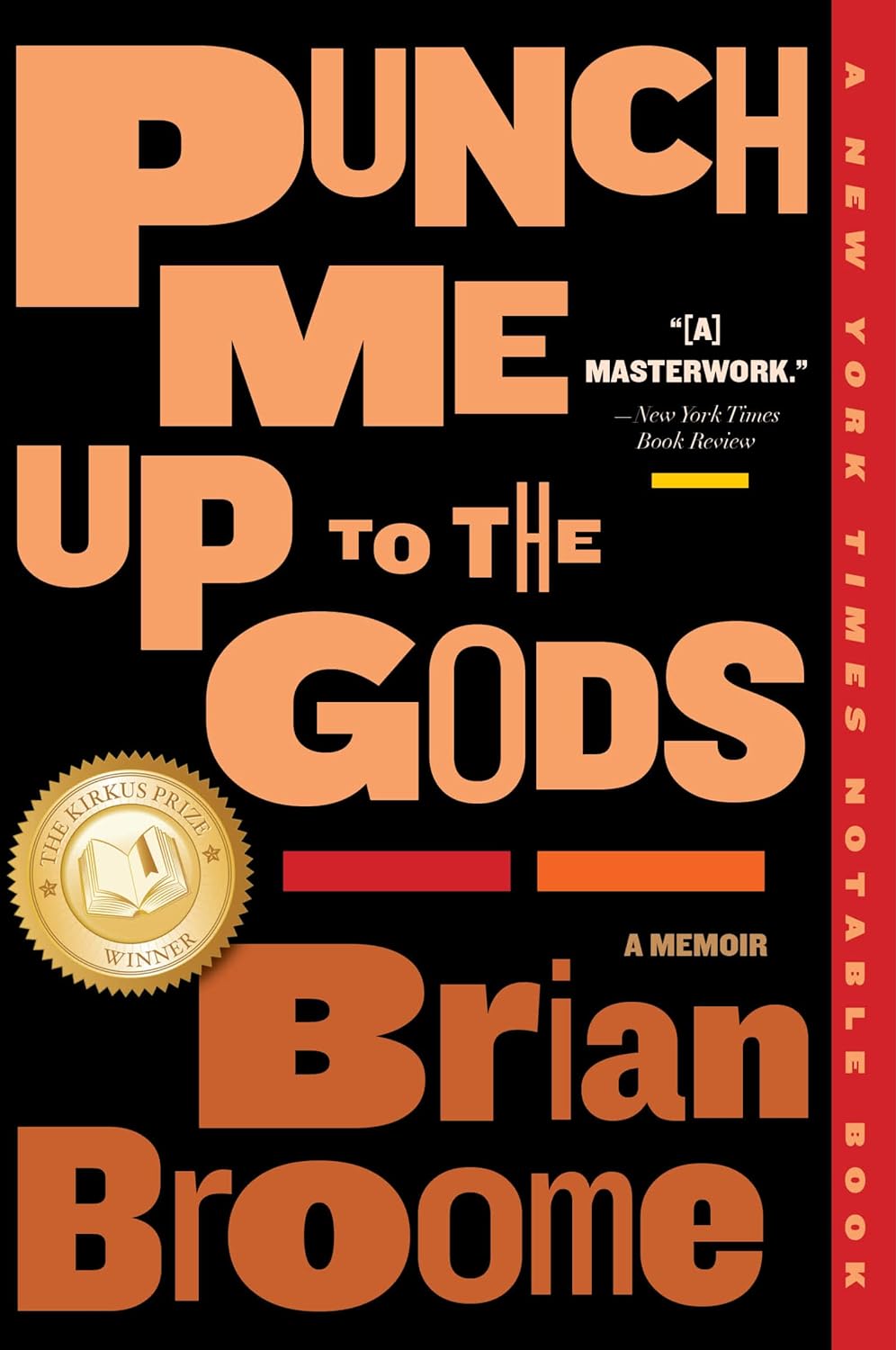
By: Brian Broome (Author), 2022, Paperback
WINNER OF THE KIRKUS PRIZE • WINNER OF A LAMBDA LITERARY AWARD • NEW YORK TIMESNOTABLE BOOK • NEW YORK TIMES EDITORS' PICK • STONEWALL HONOR BOOK • NAMED A BEST BOOK OF THE YEAR BY PUBLISHERS WEEKLY, KIRKUS REVIEWS, LIBRARY JOURNAL, AMAZON AND APPLE BOOKS • TODAY SUMMER READING LIST PICK • ENTERTAINMENT WEEKLY BEST DEBUT OF SUMMER PICK • PEOPLE BEST BOOK OF SUMMER PICK
A raw, poetic, coming-of-age “masterwork” (The New York Times)
Punch Me Up to the Gods introduces a powerful new talent in Brian Broome, whose early years growing up in Ohio as a dark-skinned Black boy harboring crushes on other boys propel forward this gorgeous, aching, and unforgettable debut. Brian’s recounting of his experiences—in all their cringe-worthy, hilarious, and heartbreaking glory—reveal a perpetual outsider awkwardly squirming to find his way in. Indiscriminate sex and escalating drug use help to soothe his hurt, young psyche, usually to uproarious and devastating effect. A no-nonsense mother and broken father play crucial roles in our misfit’s origin story. But it is Brian’s voice in the retelling that shows the true depth of vulnerability for young Black boys that is often quietly near to bursting at the seams.
Cleverly framed around Gwendolyn Brooks’s poem “We Real Cool,” the iconic and loving ode to Black boyhood, Punch Me Up to the Gods is at once playful, poignant, and wholly original. Broome’s writing brims with swagger and sensitivity, bringing an exquisite and fresh voice to ongoing cultural conversations about Blackness in America.
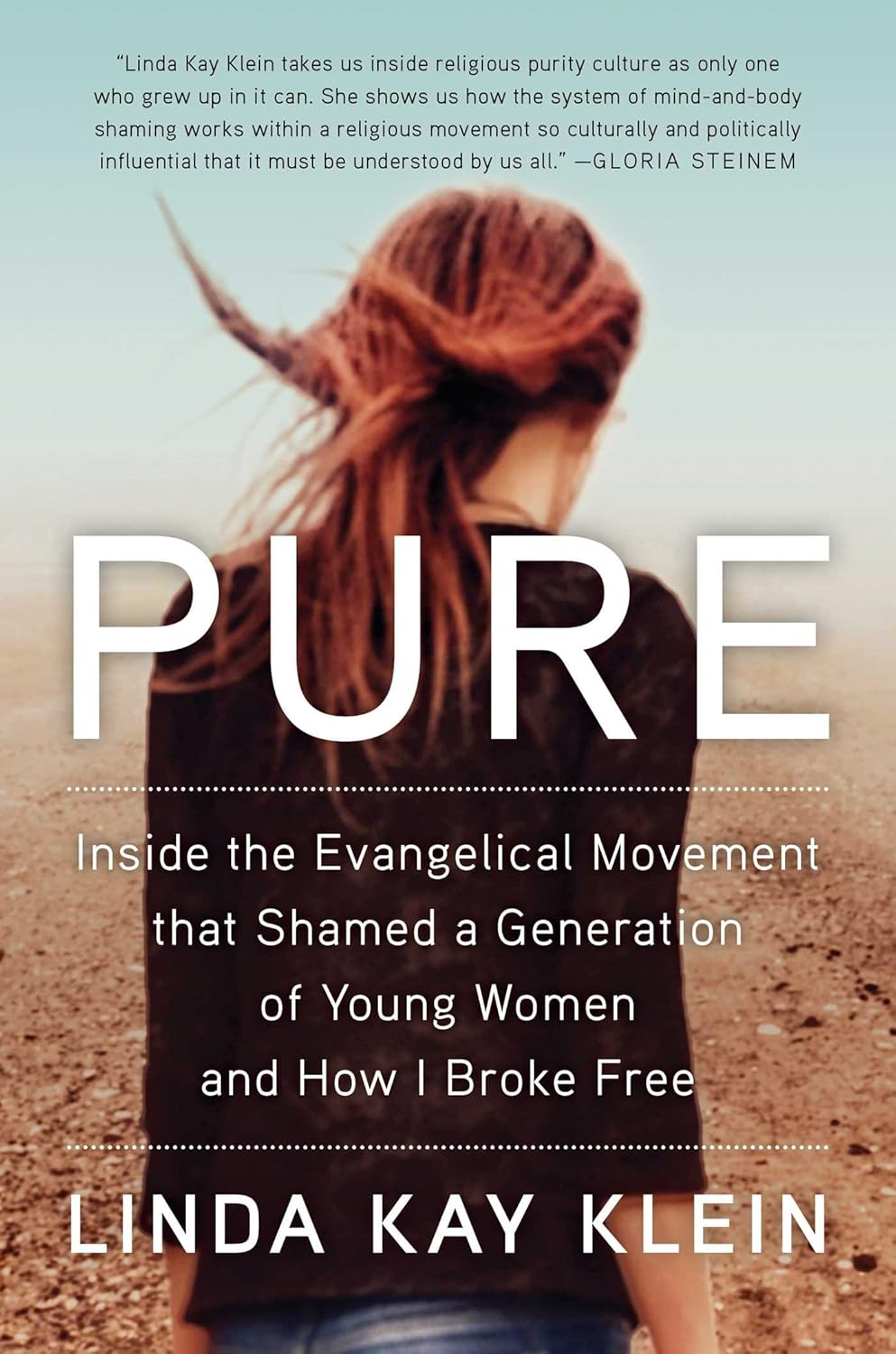
By Linda Kay Klein, 2019, paperback
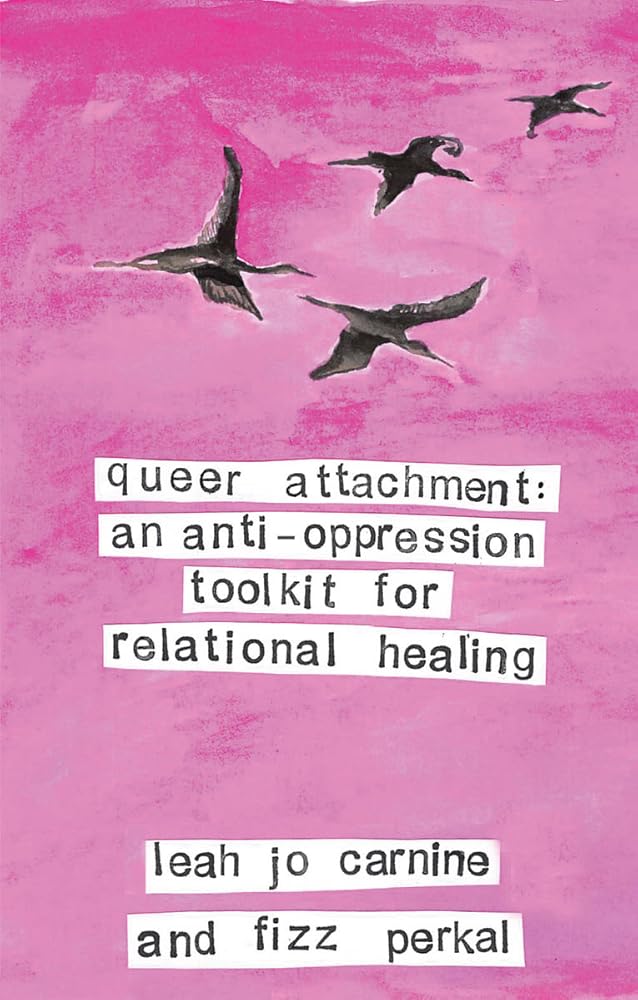
By Leah Jo Carnine and Fizz Percale, 2020, Zine
Zine / pamphlet. Published by Microcosm! Queer Attachment: An Anti-Oppression Toolkit for Relational Healing Weaves together mainstream attachment theory with study of trauma and the nervous system, with a focus on bringing in the knowledge of the queer and PoC practitioners in this field. This zine offers a guide to healing that is rooted in social justice, considerate of diverse identities, and deeply aware of how mental health is tied to systems of oppression.
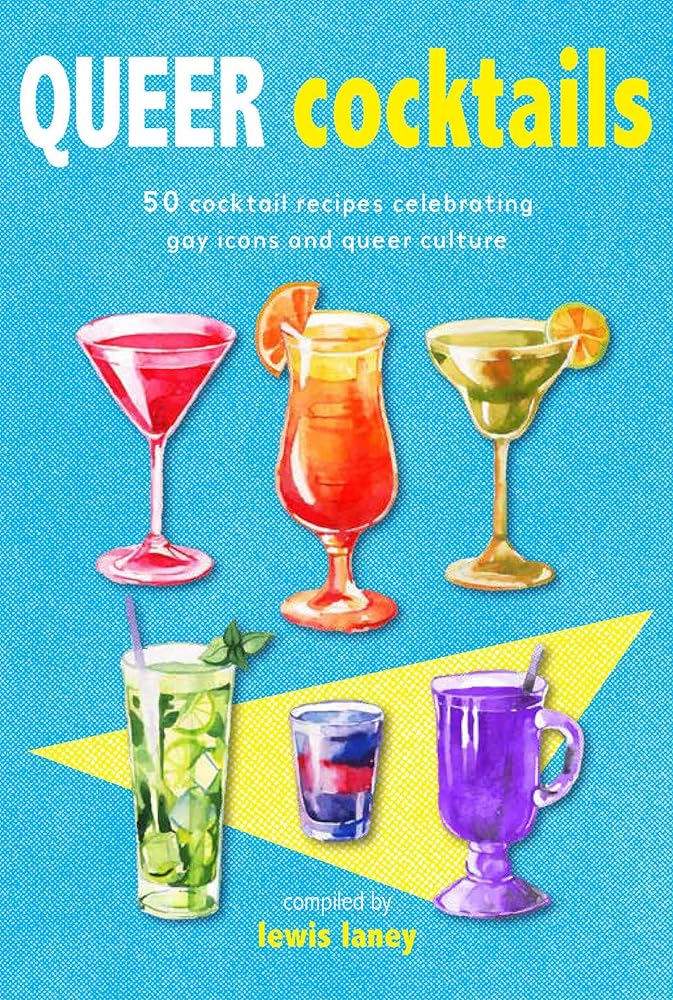
Raise a glass to the LGBTQ+ community.
This collection of cocktail recipes celebrates queer culture and pays tribute to the great gay icons of our time. Try your hand at mixing a Bloody Mariah (Carey), (Stephen) Fry Martini, or Rocket Man and get your tastebuds tingling. With recipes inspired by Beyoncé (Bey’s Knees), Freddie Mercury (Tequila Queen), Whitney Houston (I Will Always Love Woo Woo), and more, there’s plenty to keep all cocktail movers and shakers busy and thirsts well and truly quenched—we'll drink to that!

Queer Conception: The Complete Guide to Fertility, IUI, and IVF for LGBTQ+ Parents-to-Be
$24.95
Unit price perQueer Conception: The Complete Guide to Fertility, IUI, and IVF for LGBTQ+ Parents-to-Be
$24.95
Unit price per“[A] a well-researched, deeply comprehensive (and readable!) guide to building a queer family in a way that works for you.”
—Emily Oster, author of Expecting Better
This groundbreaking, up-to-date fertility guide from trusted queer and trans midwife Kristin Liam Kali is perfect for every queer family seeking pregnancy. It’s also the first evidence-based, transgender inclusive, and body-positive fertility resource for our community. Here, queer prospective parents will find sound advice about every step of the baby-making process:
· Creating a timeline
· Fertile health for every body
· Preconception tests
· Identifying ovulation
· Sperm donors, egg donors, gamete banks, and surrogacy
· Methods of insemination including IUI, IVF, and reciprocal IVF
· Miscarriage and infertility
· Navigating early pregnancy and preparing for infant feeding, including lactation induction for trans women and other nongestational parents
This book is for all LGBTQ+ readers interested in creating family through pregnancy: anyone who identifies as queer, lesbians, gay men, bisexual people, trans and nonbinary people, couples, single parents by choice, poly families, and coparents. It’s an antidote to a culture and medical system that all too often centers heterosexual couples experiencing infertility while overlooking our unique needs.
Also contains sidebars with guidance for reproductive healthcare professionals.
“This life-changing book is equal parts practical handbook and sensitively written resource. Highly recommended!”
—Toni Weschler, MPH, author of Taking Charge of Your Fertility

The fiction and poetry of Queer Little Nightmares reimagines monsters old and new through a queer lens, subverting the horror gaze to celebrate ideas and identities canonically feared in monster lit. Throughout history, monsters have appeared in popular culture as stand-ins for the non-conforming, the marginalized of society. Pushed into the shadows as objects of fear, revulsion, and hostility, these characters have long conjured fascination and self-identification in the LGBTQ+ community, and over time, monsters have become queer icons.
In Queer Little Nightmares, creatures of myth and folklore seek belonging and intimate connection, cryptids challenge their outcast status, and classic movie monsters explore the experience of coming into queerness. The characters in these stories and poems—the Minotaur camouflaged in a crowd of cosplayers, a pubescent werewolf, a Hindu revenant waiting to reunite with her lover, a tender-hearted kaiju, a lagoon creature aching for the swimmers above him, a ghost of Pride past—relish their new sparkle in the spotlight. Pushing against tropes that have historically been used to demonize, the queer creators of this collection instead ask: What does it mean to be (and to love) a monster?
Contributors include Amber Dawn, David Demchuk, Hiromi Goto, jaye simpson, Eddy Boudel Tan, and Kai Cheng Thom.

By: Sa'ed Atshan (Author), 2020, Paperback
From Ramallah to New York, Tel Aviv to Porto Alegre, people around the world celebrate a formidable, transnational Palestinian LGBTQ social movement. Solidarity with Palestinians has become a salient domain of global queer politics. Yet LGBTQ Palestinians, even as they fight patriarchy and imperialism, are themselves subjected to an "empire of critique" from Israeli and Palestinian institutions, Western academics, journalists and filmmakers, and even fellow activists. Such global criticism has limited growth and led to an emphasis within the movement on anti-imperialism over the struggle against homophobia.
With this book, Sa'ed Atshan asks how transnational progressive social movements can balance struggles for liberation along more than one axis. He explores critical junctures in the history of Palestinian LGBTQ activism, revealing the queer Palestinian spirit of agency, defiance, and creativity, in the face of daunting pressures and forces working to constrict it. Queer Palestine and the Empire of Critique explores the necessity of connecting the struggles for Palestinian freedom with the struggle against homophobia.

Zine / pamphlet. Published by Microcosm! (Queering Consent Zine) This male/male high-heat erotic short story centers around a werewolf & witch couple fighting back against the oppressive government and corporations of Toronto. Using the calling card “Queer Werewolves Destroy Capitalism,” the pack tears through downtown Toronto to protest the cruel treatment of werewolves and rage against the corporations that oppose living wages and humane treatment of workers. But there’s always time for a bit of stress relief with your partner.

Sexy, capitalism-defying adventures take you around the galaxy in this debut collection of five high-heat erotic short stories by MJ Lyons. A pack of werewolves tear through downtown Toronto to protest cruel treatment of workers, led by a werewolf & witch couple who are equally passionate about the cause and each other. From charnel landscapes to queer utopias, from the crepuscular cruising grounds of 19th century Paris to the urban werewolf hunting grounds of 21st century Toronto, from the tender to the consentacled, these tales of unapologetically queer, unabashedly smutty speculative fiction will thrill, titillate, and delight. A male/male erotic short story collection from Microcosm's Queering Consent series.

A runaway witch, a cursed actor, and a magical theatre troupe full of sequins and secrets—this cozy, queer fantasy takes the stage with romance, rebellion, and fae-fueled drama.
When Vai Delvecchio leaves their home in the night, fleeing a family scandal, they knock on the door of the least likely but most alluring of sanctuaries: the traveling Quicksand Theatre Company. Actor Leo Takahashi—a.k.a. Leonidas the Obstreperous—grants Vai a bed in his caravan in exchange for Vai’s magical assistance in theatrical productions. Vai finds their respectable, dignified life transformed into a whimsical world of sequins, makeup, and irreverent comedy sketches.
In the caravan’s close quarters, it’s inevitable that Leo and Vai grow curious about each other, a feeling that blossoms into mutual desire. But trouble waits in the wings. Vai has to face the fallout of their family’s mistakes, and Leo guards a somber secret: soon, an unbreakable deal he made with a malevolent faery will take effect, destroying his freedom and potentially his life.
Yet it may be in the darkest lairs of the fae realm, and in the painful longing of separation, that Vai and Leo each find the truth that makes them whole again.
All the books in the Eidolonia series are standalone!
Lava Red Feather Blue
Ballad for Jasmine Town
The Quicksand Theatre Company

Notable Quotations from Malcolm X
This pocketsized hardcover book contains nearly one hundred quotations from African-American Muslim minister and human rights activist, Malcolm X.
"It's freedom for everybody or freedom for nobody." --Malcolm X

"Duffy’s honesty and vulnerability resonate with emotional intensity" ―Kirkus Reviews
"A must-read for any woman facing the path of begin again" ―Marnie Woodrow, author of Heyday
Build the mantra you need right now.
When the author’s marriage breaks down after 16 years, she embarks on a journey of transformative learning. Sometimes heart-wrenching, sometimes celebratory but always ethereal, Mo’s testimony bears an examination of the emotional plane that everyone in a marriage should explore.
From the shock of discovery of deconstruction through to the easement of rehoming, Radiant White Light brings us through a divorce to the tenderness of vulnerability and displacement, under the waters of forgiveness and finally to a place where life will never be the same.
For those walking through the unknown of separation, this memoir offers clarity, courage, and the comfort of shared experience.
From the book:
i breathed deeply and threw the contents of my suitcase
on the floor in a grand gesture. suddenly there it was―
the journal i thought was lost.
my examination of divorce culture: the poetry,
the bright lights, the takeaways, the guideposts.
radiant.
white.
light.
the book’s pink cover glittered with golden stars.
daydreams. my words, the story, my testimony.
it had been with me all along.

“It’s all here: the grade school Walt Disney and Dr. Seuss; the adolescent acid trips; the fondness for Post-it notes and flying saucers; the long tails of Dubuffet and Burroughs; the encounters with Madonna, Warhol, and one game-changer of a subway Johnny Walker Red poster. Brad Gooch takes us deep into Keith Haring’s imagination while somehow managing to fix the aura and energy of the 1980s New York art scene to the page. A keen-eyed, beautifully written biography, atmospheric, exuberant, and as radiant as they come.”—Stacy Schiff, Pulitzer Prize winning author of The Revolutionary: Sam Adams
A stunning life of the iconic American artist, Keith Haring, by the acclaimed biographer Brad Gooch.
In the 1980s, the subways of New York City were covered with art. In the stations, black matte sheets were pasted over outdated ads, and unsigned chalk drawings often popped up on these blank spaces. These temporary chalk drawings numbered in the thousands and became synonymous with a city as diverse as it was at war with itself, beset with poverty and crime but alive with art and creative energy. And every single one of these drawings was done by Keith Haring.
Keith Haring was one of the most emblematic artists of the 1980s, a figure described by his contemporaries as “a prophet in his life, his person, and his work.” Part of an iconic cultural crowd that included Andy Warhol, Madonna, and Basquiat, Haring broke down the barriers between high art and popular culture, creating work that was accessible for all and using it as a means to provoke and inspire radical social change. Haring died of AIDS in 1990. To this day, his influence on our culture remains incontrovertible, and his glamorous, tragically short life has a unique aura of mystery and power.
Brad Gooch, noted biographer of Flannery O’Connor and Frank O’Hara, was granted access to Haring’s extensive archive. He has written a biography that will become the authoritative work on the artist. Based on interviews with those who knew Haring best and drawing from the rich archival history, Brad Gooch sets out to capture the magic of Keith Haring: a visionary and timeless icon.

At once shocking, entertaining, and profound--Radical Honesty is revolutionary book that takes a fresh look at how we live, love, and attempt to heal ourselves in modern society.
Radical Honesty is not a kinder, gentler self-help book. In it Dr. Brad Blanton, a psychotherapist and expert on stress management, explodes the myths, superstitions, and lies by which we live. He shows us how stress comes not from the environment, but from the self-built jail of the mind. What keeps us in our self-built jails is lying. "We all lie like hell," Dr. Blanton says. "It wears us out...it is the major source of all human stress. It kills us." Not telling our friends, lovers, spouses, or bosses about what we do, feel, or think keeps us locked in that jail. The way out is to get good at telling the truth. Dr. Blanton provides the tools we can use to escape the jail of the mind. This book is the cake with the file in it.
In Radical Honesty, Dr. Blanton coaches us on how to have lives that work, how to have relationships that are alive and passionate, and how to create intimacy where none exists. As we have been taught by the philosophical and spiritual sources of our culture for thousands of years, from Plato to Nietzsche, from the Bible to Emerson, the truth shall set you free.

A dynamic re-envisioning of the tarot, including tarot card imagery, that describes how the tarot is queer, that the archetypes are alive, and that tarot doesn’t tell the future; it creates it.
Radical Tarot meets the tarot in a space of evolution, deconstruction, and creation, using the historical and common meanings of the cards as a launchpad for digging into limiting beliefs and societal conditioning and unlocking the personal truths beneath.
The Fool’s Journey is re-envisioned as a journey to non-binary thinking, the gender essentialism is ousted from the Major Arcana and the Court Cards—and all the cards—are reframed through a non-hierarchical, anti-capitalist, and intersectional lens. The archetypes are re-imagined in modern, progressive, and queered contexts. For example:
* The Empress and the body positivity movement
* Justice, not in the legal sense, but as ethical discernment and accountability
* Temperance and transcending the gender binary
* The Devil and anti-capitalism
* Judgement and revolution
Radical Tarot also touches on Charlie’s personal story of how tarot helped them embrace their queerness, leave their marriage, and radically change their life. It speaks to their queer awakening and how tarot became, for them, a tool for social justice and conscious awareness of the world around them. Their words and experience will help anyone who wishes to be closer to their own authentic selves.