Sort by:
394 of 1795 products
394 of 1795 products
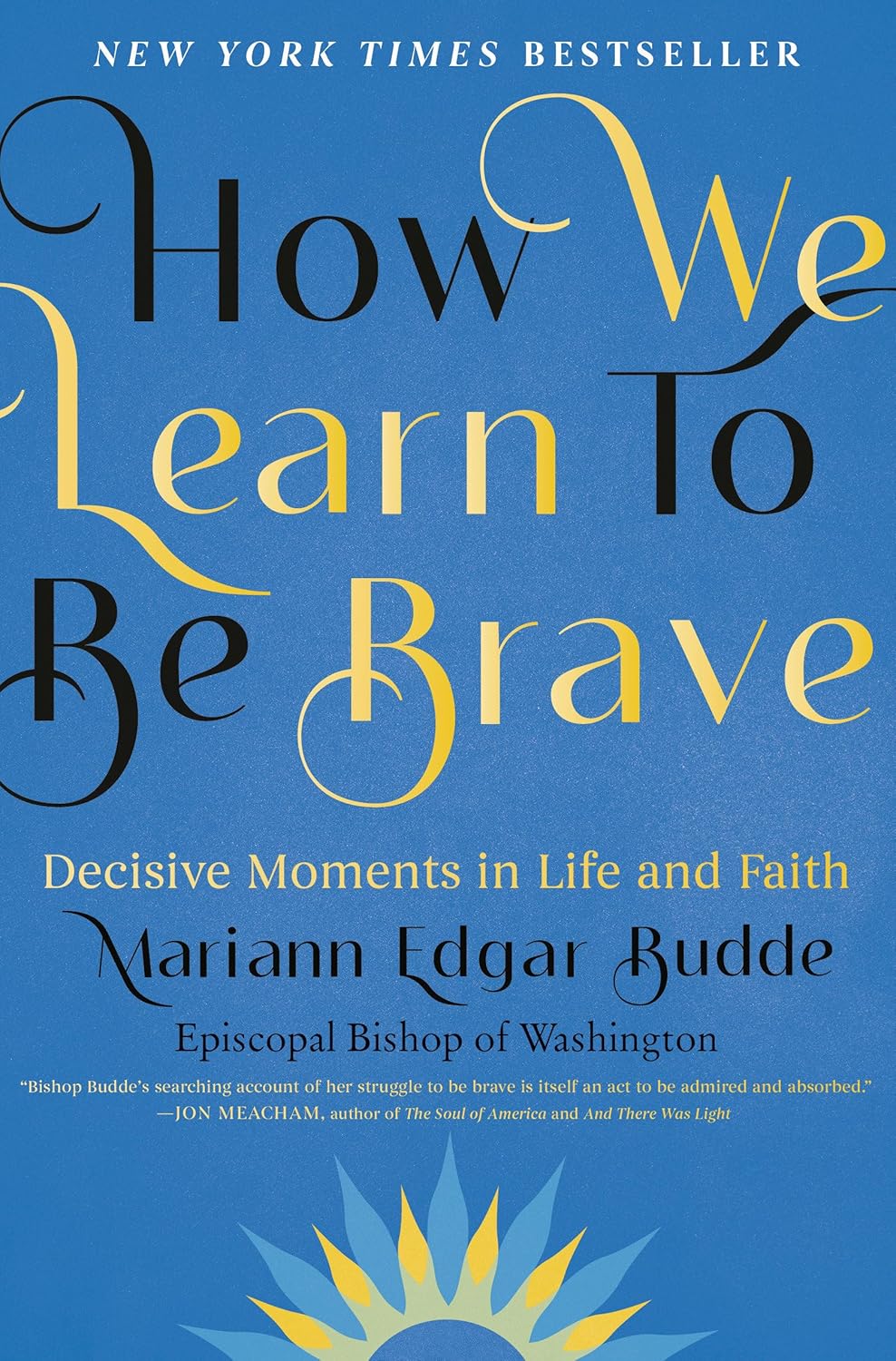
By: Mariann Edgar Budde (Author), 2023, Hardcover
A NEW YORK TIMES BESTSELLER
How We Learn to Be Brave is an inspirational guide to the key junctures in life that, if navigated with faith and discernment, pave the way for us to become our most courageous selves, by the bishop of the famed Episcopal Diocese of Washington, D.C.
On January 21, 2025, many Americans were introduced to Bishop Mariann Budde thanks to what The New York Times called “an extraordinary act of public resistance.” During her prayer service for Donald J. Trump’s second inauguration, Bishop Budde addressed the president directly, imploring him “to have mercy on the people in our country who are scared now,” from those who are part of the LGBTQ+ community to immigrants and refugees.
But for Bishop Budde, this moment was the culmination of a lifetime spent thinking about those pivot points when we’re called on to push past our fears and act with strength. With How We Learn to Be Brave, she teaches us that being brave is not a singular occurrence; it’s a journey that we can choose to undertake every day.
Here, Bishop Budde explores the full range of decisive moments, from the most visible and dramatic (the decision to go), to the internal and personal (the decision to stay), to brave choices made with an eye toward the future (the decision to start), those born of suffering (the decision to accept that which we did not choose), and those that come unexpectedly (the decision to step up to the plate). Drawing on examples ranging from Harry Potter to the Gospel According to Luke, she seamlessly weaves together personal experiences with stories from scripture, history, and pop culture to underscore both the universality of these moments and the particular call each one of us must heed when they arrive.
With Bishop Budde’s wisdom, readers will learn to live and to respond according to their true beliefs and in ways that align with their best selves. How We Learn to Be Brave will provide much-needed fortitude and insight to anyone searching for answers in uncertain times.
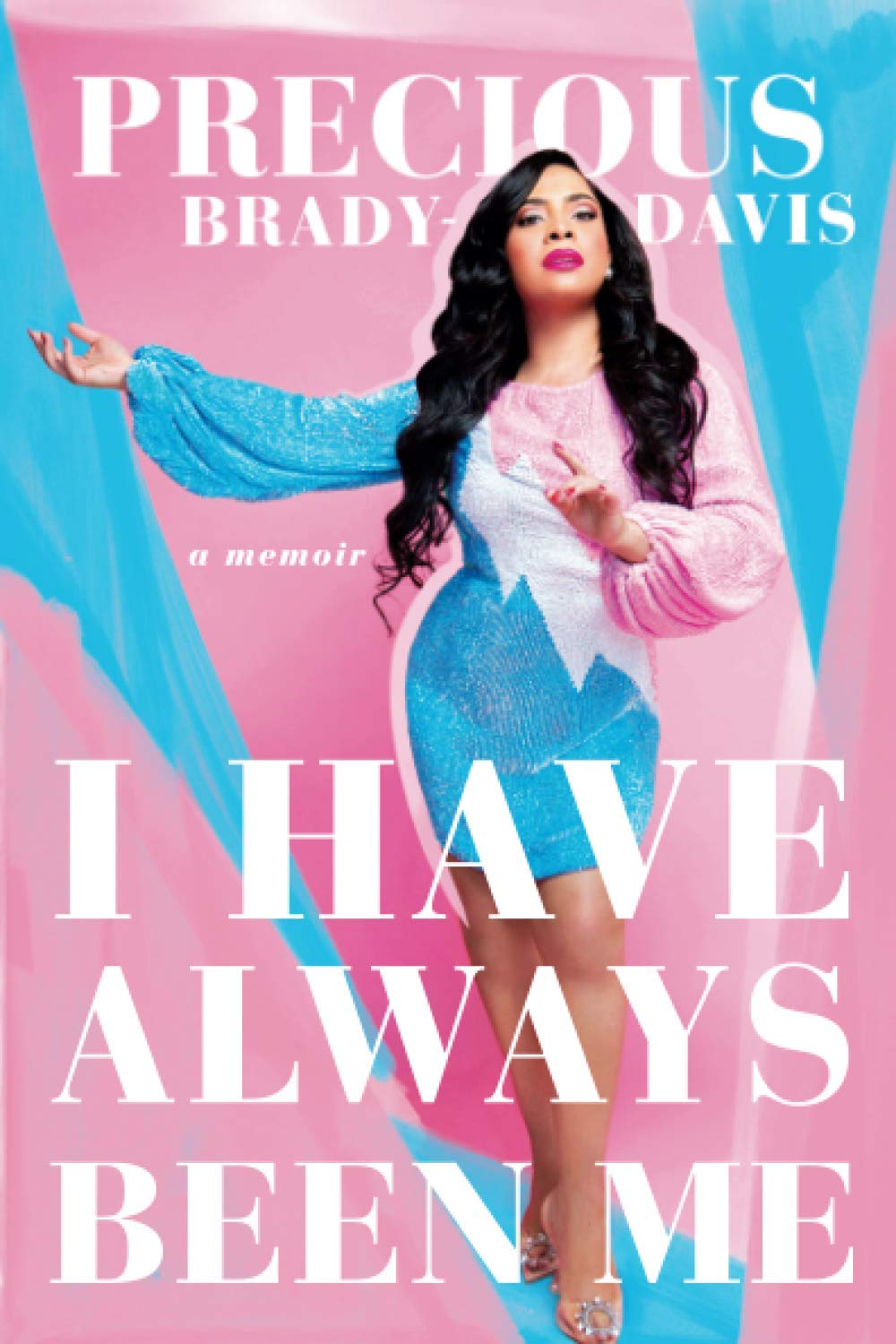
By: Precious Brady-Davis (Author), Joey Soloway (Introduction), 2021, Paperback
A powerful memoir of independence, releasing the past, and living the dream by award-winning trans advocate Precious Brady-Davis.
Precious Brady-Davis remembers the sense of being singular and grappling with “otherness.” Born into traumatic circumstances, Davis was brought up in the Omaha foster care system and the Pentecostal faith. As a biracial, gender-nonconforming kid, she felt displaced. Yet she realized by coming into her identity that she had a purpose all along.
In I Have Always Been Me, Brady-Davis reflects on a childhood of neglect, instability, and abandonment. She reveals her determination to dream through it and shares her profound journey as a trans woman now fully actualized, absolutely confident, and precious. She speaks to anyone who has ever tried to find their place in this world and imparts the wisdom that comes with surmounting odds and celebrating on the other side.
A memoir, a love story, and an outreach for the marginalized, Precious’s sojourn is a song of self-reliance and pride and an invitation to join in the chorus.

Maya Angelou’s debut memoir is a modern American classic beloved worldwide. Her life story is told in the documentary film And Still I Rise, as seen on PBS’s American Masters.
Here is a book as joyous and painful, as mysterious and memorable, as childhood itself. I Know Why the Caged Bird Sings captures the longing of lonely children, the brute insult of bigotry, and the wonder of words that can make the world right. Maya Angelou’s debut memoir is a modern American classic beloved worldwide.
Sent by their mother to live with their devout, self-sufficient grandmother in a small Southern town, Maya and her brother, Bailey, endure the ache of abandonment and the prejudice of the local “powhitetrash.” At eight years old and back at her mother’s side in St. Louis, Maya is attacked by a man many times her age—and has to live with the consequences for a lifetime. Years later, in San Francisco, Maya learns that love for herself, the kindness of others, her own strong spirit, and the ideas of great authors (“I met and fell in love with William Shakespeare”) will allow her to be free instead of imprisoned.
Poetic and powerful, I Know Why the Caged Bird Sings will touch hearts and change minds for as long as people read.
“I Know Why the Caged Bird Sings liberates the reader into life simply because Maya Angelou confronts her own life with such a moving wonder, such a luminous dignity.”—James Baldwin
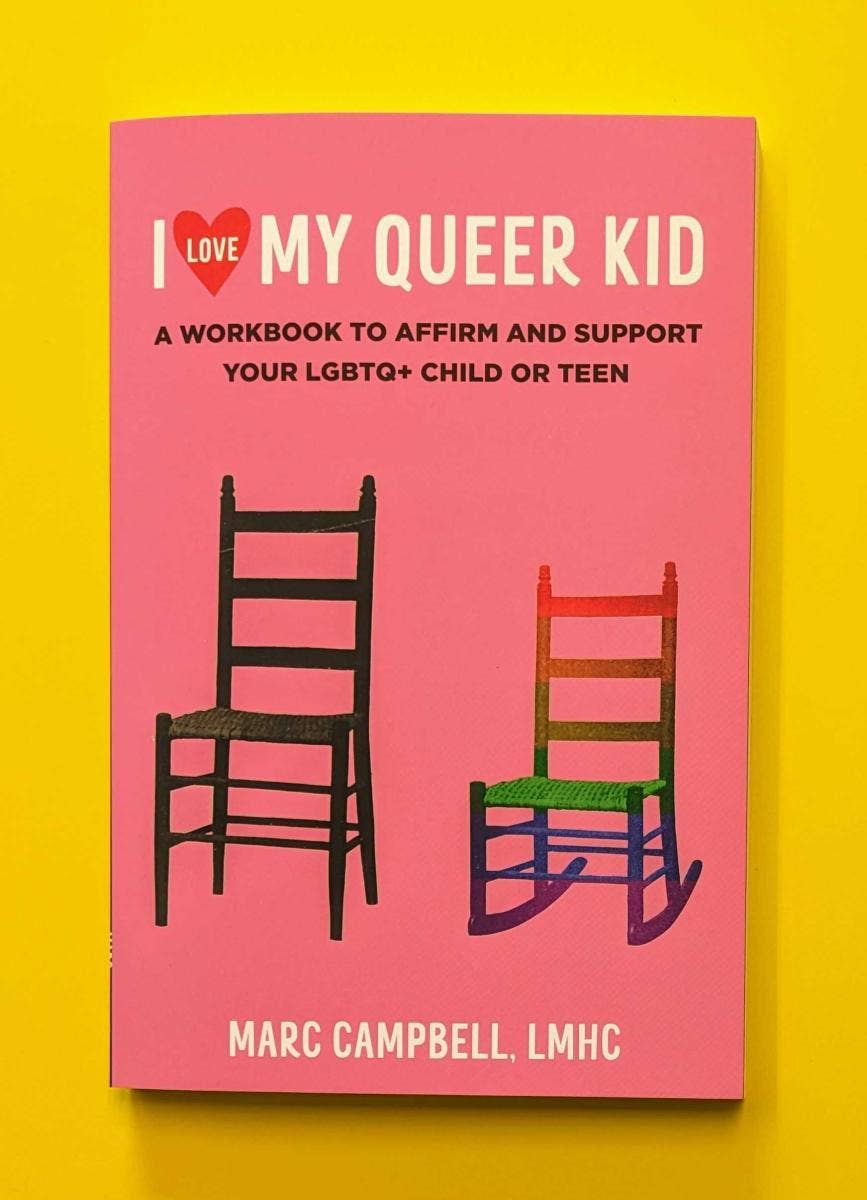

Starred review from Booklist: “Readers will likely find this anthology difficult to put down.”
What does war feel like? Listen to real people on the ground in Iran. War is not a video game. People's lives are shattered.
An eye-opening anthology from a collective of fifteen different young writers and artists who were going about their daily lives in and around Tehran, while Israel and the United States carried out a bombing campaign to cripple the Iranian nuclear weapons capabilities.
We learn about the nightmare of trying to sleep while bombs are exploding all around you; about the struggle to rescue your beloved cat as you are evacuating your home; about the anxiety of not being able to communicate with your friends and loved ones and learn of their whereabouts; and we hear about the trauma of being forced to return to an abusive home in order to stay "safe."
A searing and honest account of life in Tehran during the U.S. and Israeli attacks of 2025. This book was edited by two Iranian comics teachers, and we have kept all of the editors', authors', and artists' identities anonymous for their safety.

From Rachel Ingalls, the author of Mrs. Caliban, another delicious, highly improbable, and hilariously believable tale of a wife’s scorched-earth rebellion
In the Act begins: “As long as Helen was attending her adult education classes twice a week, everything worked out fine: Edgar could have a completely quiet house for his work, or his thinking, or whatever it was.” In Rachel Ingall’s blissfully deranged novella, the “whatever it was” her husband’s been up to in his attic laboratory turns out to be inventing a new form of infidelity. Initially Helen, before she uncovers the truth, only gently tries to assert her right to be in her own home. But one morning, grapefruit is the last straw: “He read through his newspaper conscientiously, withdrawing his attention from it for only a few seconds to tell her that she hadn’t cut all the segments entirely free in his grapefruit―he’d hit exactly four that were still attached. She knew, he said, how that kind of thing annoyed him.” While Edgar keeps his lab locked, Helen secretly has a key, and what she finds in the attic shocks her into action and propels In the Act into heights of madcap black comedy even beyond Ingalls’s usual stratosphere.

In the Arms of Mountains: A Memoir of Land, Love, and Queer Resistance in Red America
$28.95
Unit price perIn the Arms of Mountains: A Memoir of Land, Love, and Queer Resistance in Red America
$28.95
Unit price perRural America deserves more than an elegy: a powerful story of hope, resilience, and political resistance where you least expect it, from Idaho’s first openly LGBTQ+ lawmaker
"One doesn’t need to be queer to feel seen, heard, and empowered. ...A reminder that activists need to believe that the impossible can happen."
—Carole King, singer, songwriter, activist, and author of A Natural Woman
Cole LeFavour was 11 years old when their hippie parents moved the family to a guest ranch in Idaho. Hours to the north, as the LeFavours unpacked pots and pans, Richard Butler dreamed of establishing a white separatist nation. It’s here, in one of the reddest states on the map, where Cole learned to raise ducklings, hike the wilderness alone, and build political resistance where you'd least expect it.
This is the story rural America deserves to tell—and that the rest of the country needs to hear. Follow LeFavour’s journey from their 2-mile walk to the school bus along a dirt road to their monumental election as Idaho’s first openly queer state senator. Cole recounts anti-apartheid protests at Berkeley, the solitary life of a fire lookout, and the gravitational pull of unexpected romance and loss. In the Arms of Mountains is a memoir with dirt under its nails and heart on its sleeve. It shatters the carefully constructed “monolithic heartland” myth and rewrites Hillbilly Elegy’s bleak epitaph.
Haunting, hopeful, and full of fight, Cole’s story reminds us of what’s possible when we look beyond red and blue, right and left, to meet each other at the edge of the wild.
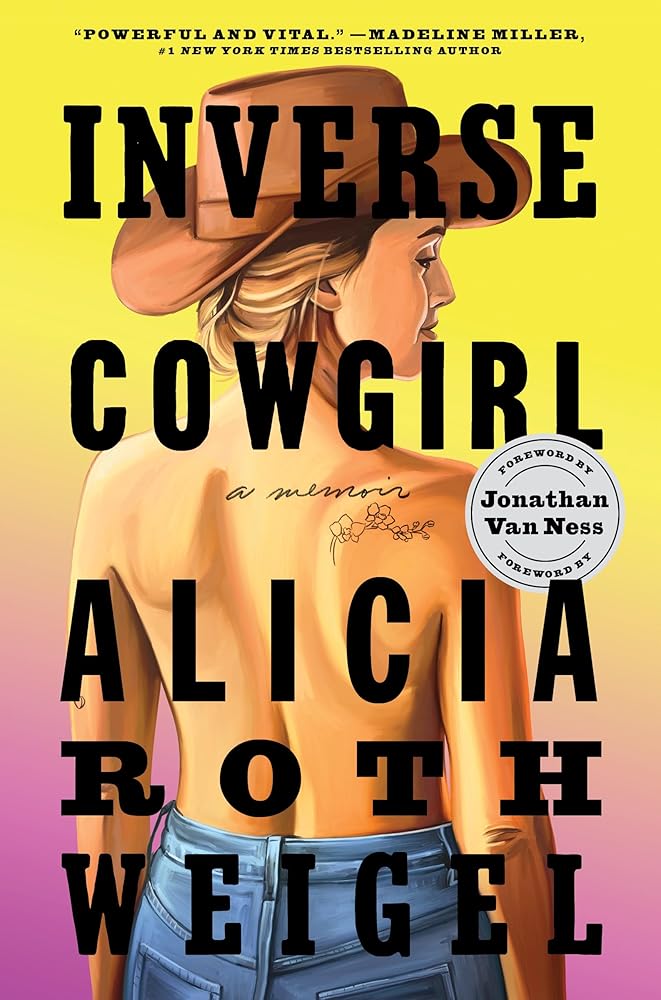
"One of the most brilliant thought leaders I have been able to share space with."—Jonathan van Ness, from the foreword
"The must-read memoir of fall 2023."—Them
"Powerful and vital."—Madeline Miller, #1 New York Times-bestselling author of The Song of Achilles
From a celebrated activist on the forefront of fighting for intersex representation and rights—and a subject of the forthcoming documentary Every Body, from the filmmakers behind RBG—a funny, thought-provoking collection of essays about owning your identity and living your truth.
Two percent of the world’s population—the same percentage of humans who have naturally red hair—is born intersex. Yet many people aren’t even familiar with the word.
Intersex individuals are born with both male and female reproductive organs, yet many are stripped of their identity at birth when a parent designates M or F on a birth certificate. That subjective choice is often followed by invasive, life-changing surgeries, performed without the individual’s consent. Intersex people have become a target of politicians, attacked for who they are and threatened by legislation that attempts to categorize and define them.
Alicia Weigel is fighting back against the hate and fearmongering to protect the rights and lives of everyone. In this book, she boldly speaks out about working as a change agent in a state that actively attempts to pass legislation that would erase her existence, explores how we can reclaim bodily autonomy, and encourages us to amplify our voices to be heard.
Disarming, funny, charming, and powerful, this is a vital account of personal accomplishment that will open eyes and change minds.

The landmark, prize-winning, international bestselling examination of how a gender gap in data perpetuates bias and disadvantages women.
#1 International Bestseller * Winner of the Financial Times and McKinsey Business Book of the Year Award * Winner of the Royal Society Science Book Prize
Data is fundamental to the modern world. From economic development to health care to education and public policy, we rely on numbers to allocate resources and make crucial decisions. But because so much data fails to take into account gender, because it treats men as the default and women as atypical, bias and discrimination are baked into our systems.
And women pay tremendous costs for this insidious bias: in time, in money, and often with their lives.
Celebrated feminist advocate Caroline Criado Perez investigates this shocking root cause of gender inequality in Invisible Women. Examining the home, the workplace, the public square, the doctor’s office, and more, Criado Perez unearths a dangerous pattern in data and its consequences on women’s lives.
Product designers use a “one-size-fits-all” approach to everything from pianos to cell phones to voice recognition software, when in fact this approach is designed to fit men. Cities prioritize men’s needs when designing public transportation, roads, and even snow removal, neglecting to consider women’s safety or unique responsibilities and travel patterns. And in medical research, women have largely been excluded from studies and textbooks, leaving them chronically misunderstood, mistreated, and misdiagnosed.
Built on hundreds of studies in the United States, in the United Kingdom, and around the world, and written with energy, wit, and sparkling intelligence, this is a groundbreaking, highly readable exposé that will change the way you look at the world.
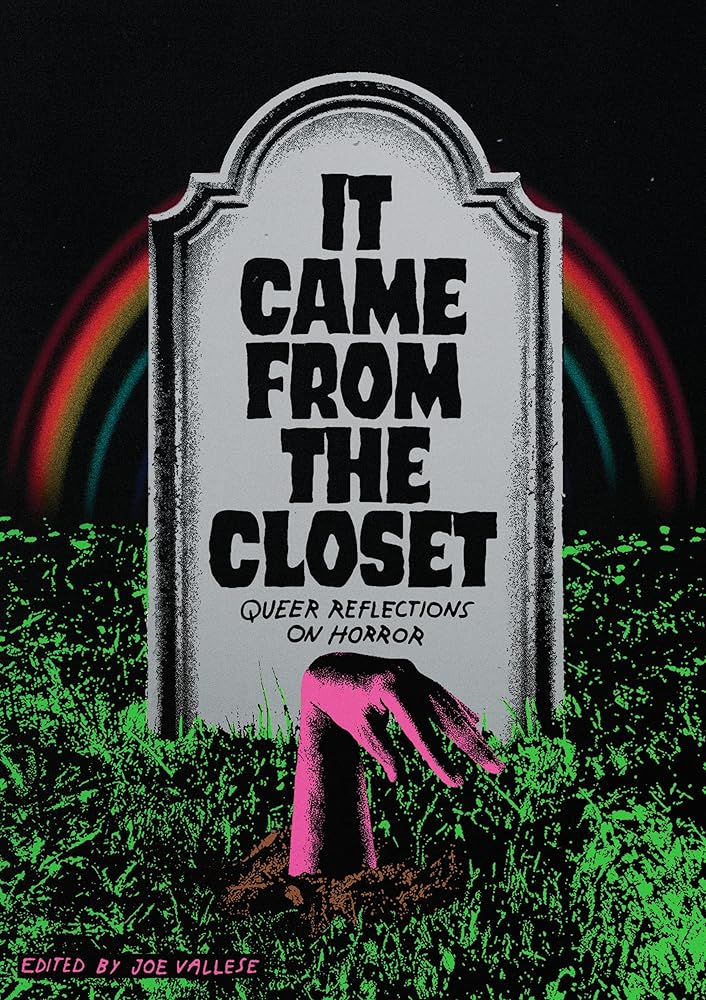
Through the lens of horror—from Halloween to Hereditary—queer and trans writers consider the films that deepened, amplified, and illuminated their own experiences.
Horror movies hold a complicated space in the hearts of the queer community: historically misogynist, and often homo- and transphobic, the genre has also been inadvertently feminist and open to subversive readings. Common tropes—such as the circumspect and resilient “final girl,” body possession, costumed villains, secret identities, and things that lurk in the closet—spark moments of eerie familiarity and affective connection. Still, viewers often remain tasked with reading themselves into beloved films, seeking out characters and set pieces that speak to, mirror, and parallel the unique ways queerness encounters the world.
It Came from the Closet features twenty-five essays by writers speaking to this relationship, through connections both empowering and oppressive. From Carmen Maria Machado on Jennifer’s Body, Jude Ellison S. Doyle on In My Skin, Addie Tsai on Dead Ringers, and many more, these conversations convey the rich reciprocity between queerness and horror.
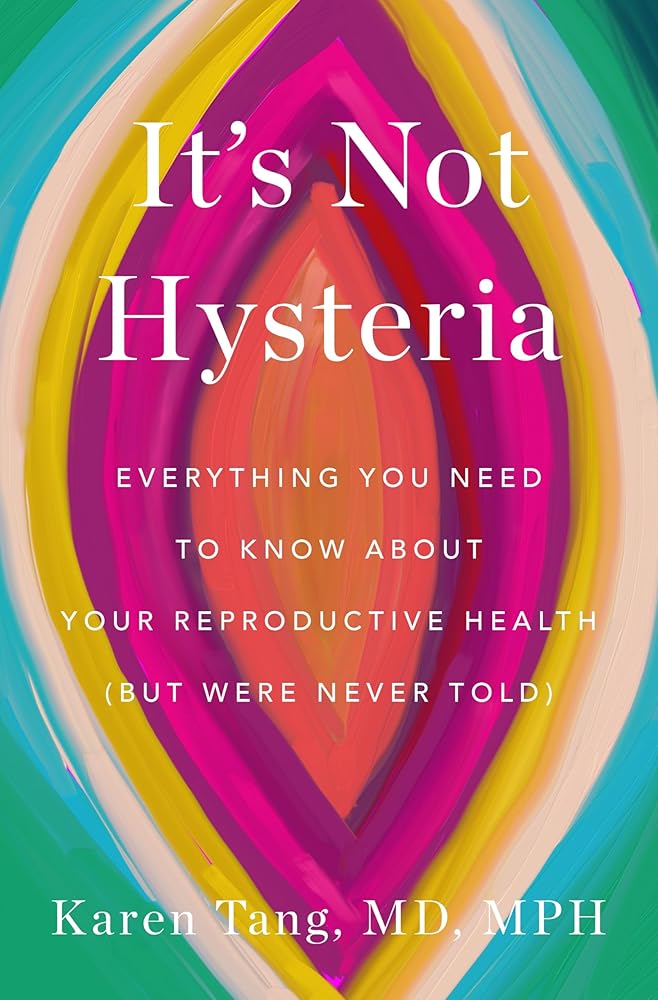
An inclusive and essential new resource for reproductive health―including period problems, pelvic pain, menopause, fertility, sexual health, vaginal and urinary conditions, and overall wellbeing―from leading expert and fierce advocate Dr. Karen Tang
"Dr. Karen Tang is a literal godsend to women in a time still filled with great ignorance in medical research and financing of women's health initiatives. Please read her book, follow her on Instagram as I have, and feel blessed as I do to have an advocate for our body, our health, and our human rights." ―Sharon Stone
Did you know that up to 90% of women experience menstrual abnormalities or pelvic issues in their lifetime? Yet these conditions are overwhelmingly misunderstood, misdiagnosed, or dismissed. The root causes for these issues, such as PCOS, endometriosis, fibroids, ovarian cysts, PMDD, or pelvic floor dysfunction, don’t receive the stream of funding for research and new treatments that other conditions do, despite affecting up to half the population.
Dr. Karen Tang is on a mission to transform how we engage with our bodies and our healthcare. It’s Not Hysteria is a comprehensive guide to common conditions and potential treatment options, with practical tools such as symptom prompts and sample questions for your provider, to equip readers to take control of their gynecologic health.
Reproductive healthcare, from abortion to gender-affirming care, is under siege. The onus continues to fall on patients to find and advocate for the care they need. In the face of uncertainty and misinformation, It’s Not Hysteria is destined to become a new classic that educates and empowers women and those assigned female at birth.
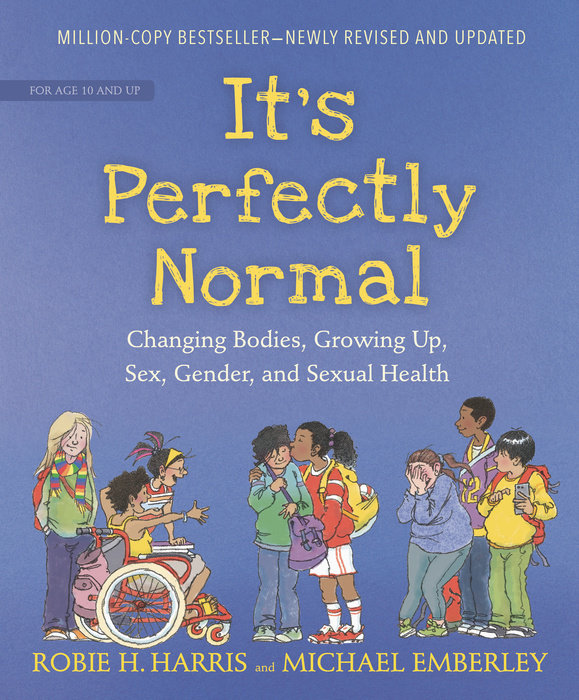
Fully and fearlessly updated, this vital new edition of the acclaimed book on sex, sexuality, bodies, and puberty deserves a spot in every family’s library.
With more than 1.5 million copies in print, It’s Perfectly Normal has been a trusted resource on sexuality for more than twenty-five years. Rigorously vetted by experts, this is the most ambitiously updated editionyet, featuring to-the-minute information and language accompanied by new and refreshed art.
Updates include:
* A shift to gender-neutral vocabulary throughout
* An expansion on LGBTQIA topics, gender identity, sex, and sexuality—making this a sexual health book for all readers
* Coverage of recent advances in methods of sexual safety and contraception with corresponding illustrations
* A revised section on abortion, including developments in the shifting politics and legislation as well as an accurate, honest overview
* A sensitive and detailed expansion on the topics of sexual abuse, the importance of consent, and destigmatizing HIV/AIDS
* A modern understanding of social media and the internet that tackles rapidly changing technology to highlight its benefits and pitfalls and ways to stay safe online
Inclusive and accessible, this newest edition of It’s Perfectly Normal provides young people with the knowledge and vocabulary they need to understand their bodies, relationships, and identities in order to make responsible decisions and stay healthy.

From a star of the climate justice movement, a fresh, radical perspective for real climate action and “an indispensable toolkit for a new generation of activists” (Naomi Klein).
For too long, representations of climate action in the mainstream media have been white-washed, green-washed and diluted to be made compatible with capitalism. In It’s Not That Radical, Loach addresses head-on the issues at the root of the climate crisis.
As Loach shows, we are living in an economic system which pursues profit above all else; harmful, oppressive systems that heavily contribute to the climate crisis, and environmental consequences that have been toned down to the masses. Tackling the climate crisis requires us to visit the roots of poverty, capitalist exploitation, police brutality, and legal injustice. Climate justice offers the real possibility of huge leaps towards racial equality and collective liberation as it aims to dismantle the very foundations of these issues.
Written with candor and hope, It's Not That Radical will galvanize readers to take action, offering a practical and transformative appraisal of our circumstances to help mobilize a majority for the future of our planet.
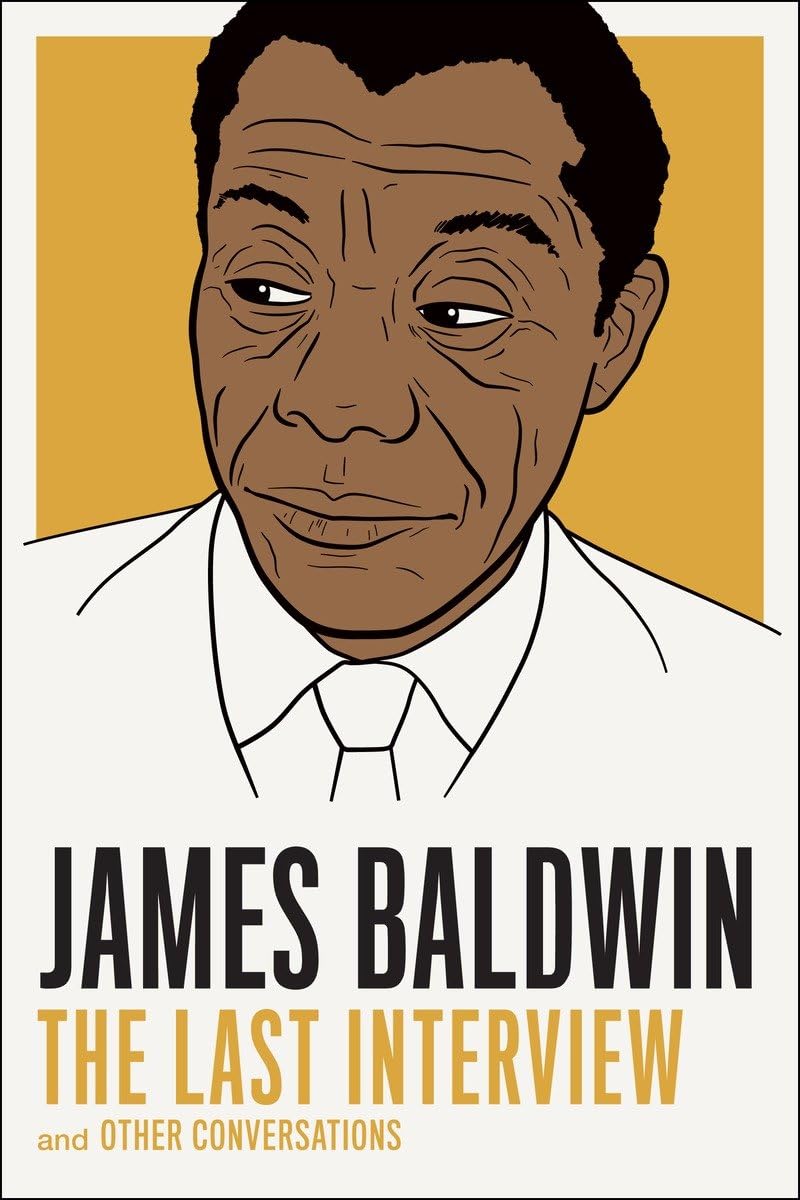
James Baldwin: The Last Interview: and other Conversations (The Last Interview Series)
$16.99
Unit price perJames Baldwin: The Last Interview: and other Conversations (The Last Interview Series)
$16.99
Unit price perBy: James Baldwin (Author), 2014, Paperback