Sort by:
395 of 1799 products
395 of 1799 products

“No writer has better understood the mix of fear and possibility, peril and exuberance that's marked this new millennium.”
―Bill McKibben
“An elegant reminder that activist victories are easily forgotten, and that they often come in extremely unexpected, roundabout ways.”
―The New Yorker
A book as powerful and influential as Rebecca Solnit's Men Explain Things to Me, her Hope in the Dark was written to counter the despair of radicals at a moment when they were focused on their losses and had turned their back to the victories behind them and the unimaginable changes soon to come. In it, she makes a radical case for hope as a commitment to act in a world whose future remains uncertain and unknowable. Drawing on her decades of activism and a wide reading of environmental, cultural, and political history, Solnit argued that radicals have a long, neglected history of transformative victories, that the positive consequences of our acts are not always immediately seen, directly knowable, or even measurable, and that pessimism and despair rest on an unwarranted confidence about what is going to happen next. Now, with a moving new introduction explaining how the book came about and a new afterword that helps teach us how to hope and act in our unnerving world, she brings a new illumination to the darkness of 2016 in an unforgettable new edition of this classic book.
Writer, historian, and activist Rebecca Solnit is the author of eighteen or so books on feminism, western and indigenous history, popular power, social change and insurrection, wandering and walking, hope and disaster, including the books Men Explain Things to Me and Hope in the Dark, both also with Haymarket; a trilogy of atlases of American cities; The Faraway Nearby; A Paradise Built in Hell: The Extraordinary Communities that Arise in Disaster; A Field Guide to Getting Lost; Wanderlust: A History of Walking; and River of Shadows, Eadweard Muybridge and the Technological Wild West (for which she received a Guggenheim, the National Book Critics Circle Award in criticism, and the Lannan Literary Award). A product of the California public education system from kindergarten to graduate school, she is a columnist at Harper's and a regular contributor to the Guardian.
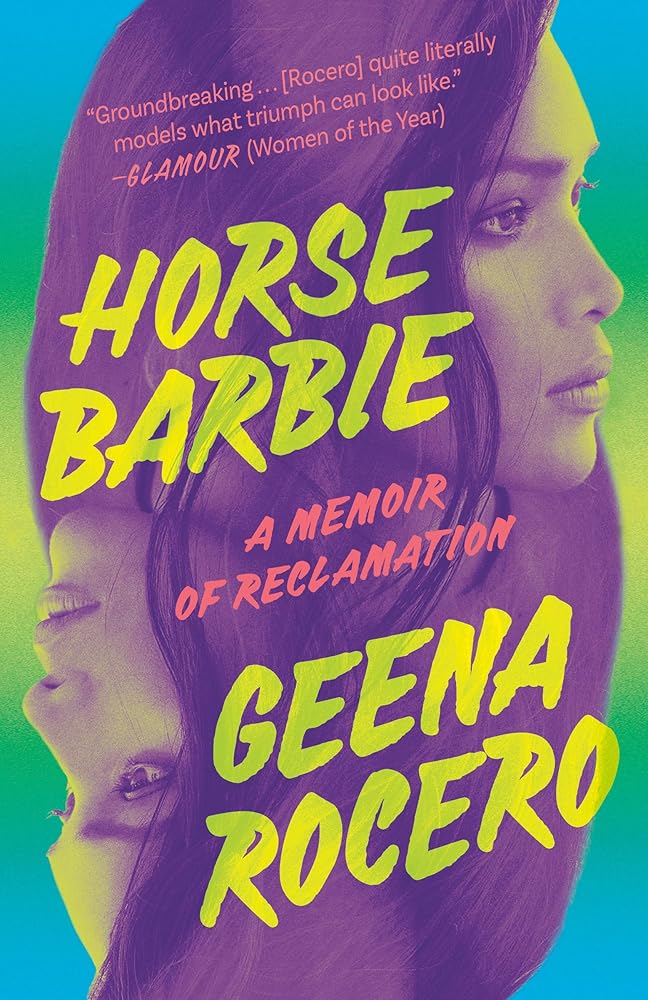
“A moving chronicle of trans resilience and joy” (Vogue) from one of Out100’s Most Impactful and Influential LGBTQ+ Storytellers
“Groundbreaking . . . [Rocero] quite literally models what triumph can look like.”—Glamour (Women of the Year)
WINNER OF THEM’S AWARD FOR LITERATURE • A BEST BOOK OF THE YEAR: Book Riot, Elle, Esquire
As a young femme in 1990s Manila, Geena Rocero heard, “Bakla, bakla!,” a taunt aimed at her feminine sway, whenever she left the tiny universe of her eskinita. Eventually, she found her place in trans pageants, the Philippines’ informal national sport. When her competitors mocked her as a “horse Barbie” due to her statuesque physique, tumbling hair, long neck, and dark skin, she leaned into the epithet. By seventeen, she was the Philippines’ highest-earning trans pageant queen.
A year later, Geena moved to the United States where she could change her name and gender marker on her documents. But legal recognition didn’t mean safety. In order to survive, Geena went stealth and hid her trans identity, gaining one type of freedom at the expense of another. For a while, it worked. She became an in-demand model. But as her star rose, her sense of self eroded. She craved acceptance as her authentic self yet had to remain vigilant in order to protect her dream career. The high-stakes double life finally forced Geena to decide herself if she wanted to reclaim the power of Horse Barbie once and for all: radiant, head held high, and unabashedly herself.
A dazzling testimony from an icon who sits at the center of transgender history and activism, Horse Barbie is a celebratory and universal story of survival, love, and pure joy.

A fascinating tour of creatures from the surface to the deepest ocean floor: this "miraculous, transcendental book" invites us to envision wilder, grander, and more abundant possibilities for the way we live (Ed Yong, author of An Immense World).
A queer, mixed race writer working in a largely white, male field, science and conservation journalist Sabrina Imbler has always been drawn to the mystery of life in the sea, and particularly to creatures living in hostile or remote environments. Each essay in their debut collection profiles one such creature, including:
·the mother octopus who starves herself while watching over her eggs,
·the Chinese sturgeon whose migration route has been decimated by pollution and dams,
·the bizarre, predatory Bobbitt worm (named after Lorena),
·the common goldfish that flourishes in the wild,
·and more.
Imbler discovers that some of the most radical models of family, community, and care can be found in the sea, from gelatinous chains that are both individual organisms and colonies of clones to deep-sea crabs that have no need for the sun, nourished instead by the chemicals and heat throbbing from the core of the Earth. Exploring themes of adaptation, survival, sexuality, and care, and weaving the wonders of marine biology with stories of their own family, relationships, and coming of age, How Far the Light Reaches is a shimmering, otherworldly debut that attunes us to new visions of our world and its miracles.
WINNER OF THE LOS ANGELES TIMES BOOK PRIZE in SCIENCE & TECHNOLOGY
Finalist for the Lambda Literary Award One of TIME’s 10 Best Nonfiction Books of the Year • A PEOPLE Best New Book • A Barnes & Noble and SHELF AWARENESS Best Book of 2022 • An Indie Next Pick • One of Winter’s Most Eagerly Anticipated Books: VANITY FAIR, VULTURE, BOOKRIOT

“No single book is as relevant to the present moment.”—Claudia Rankine, author of Citizen
“One of the defining books of the decade.”—Elizabeth Hinton, author of From the War on Poverty to the War on Crime
NEW YORK TIMES BOOK REVIEW EDITORS’ CHOICE • With a new preface • Fascist politics are running rampant in America today—and spreading around the world. A Yale philosopher identifies the ten pillars of fascist politics, and charts their horrifying rise and deep history.
As the child of refugees of World War II Europe and a renowned philosopher and scholar of propaganda, Jason Stanley has a deep understanding of how democratic societies can be vulnerable to fascism: Nations don’t have to be fascist to suffer from fascist politics. In fact, fascism’s roots have been present in the United States for more than a century. Alarmed by the pervasive rise of fascist tactics both at home and around the globe, Stanley focuses here on the structures that unite them, laying out and analyzing the ten pillars of fascist politics—the language and beliefs that separate people into an “us” and a “them.” He knits together reflections on history, philosophy, sociology, and critical race theory with stories from contemporary Hungary, Poland, India, Myanmar, and the United States, among other nations. He makes clear the immense danger of underestimating the cumulative power of these tactics, which include exploiting a mythic version of a nation’s past; propaganda that twists the language of democratic ideals against themselves; anti-intellectualism directed against universities and experts; law and order politics predicated on the assumption that members of minority groups are criminals; and fierce attacks on labor groups and welfare. These mechanisms all build on one another, creating and reinforcing divisions and shaping a society vulnerable to the appeals of authoritarian leadership.
By uncovering disturbing patterns that are as prevalent today as ever, Stanley reveals that the stuff of politics—charged by rhetoric and myth—can quickly become policy and reality. Only by recognizing fascists politics, he argues, may we resist its most harmful effects and return to democratic ideals.
“With unsettling insight and disturbing clarity, How Fascism Works is an essential guidebook to our current national dilemma of democracy vs. authoritarianism.”—William Jelani Cobb, author of The Substance of Hope

PRISM AWARDS FINALIST 2021
GREAT GRAPHIC NOVELS FOR TEENS - YOUNG ADULT LIBRARY SERVICES ASSOCIATION (YALSA) 2022
"When I was in school, everyone got to a certain age where they became interested in talking about only one thing: boys, girls and sex. Me though? I was only interested in comics."
Growing up, Rebecca assumes sex is just a scary new thing they will 'grow into' as they get older, but when they leave school, start working and do grow up, they start to wonder why they don't want to have sex with other people.
In this brave, hilarious and empowering graphic memoir, we follow Rebecca as they navigate a culture obsessed with sex - from being bullied at school and trying to fit in with friends, to forcing themselves into relationships and experiencing anxiety and OCD - before coming to understand and embrace their asexual identity.
Giving unparalleled insight into asexuality and asexual relationships, How To Be Ace shows the importance of learning to be happy and proud of who you are.

#1 NEW YORK TIMES BESTSELLER • From the National Book Award–winning author of Stamped from the Beginning comes a “groundbreaking” (Time) approach to understanding and uprooting racism and inequality in our society and in ourselves—now updated, with a new preface.
“The most courageous book to date on the problem of race in the Western mind.”—The New York Times
ONE OF THE BEST BOOKS OF THE YEAR—The New York Times Book Review, Time, NPR, The Washington Post, Shelf Awareness, Library Journal, Publishers Weekly, Kirkus Reviews
Antiracism is a transformative concept that reorients and reenergizes the conversation about racism—and, even more fundamentally, points us toward liberating new ways of thinking about ourselves and each other. At its core, racism is a powerful system that creates false hierarchies of human value; its warped logic extends beyond race, from the way we regard people of different ethnicities or skin colors to the way we treat people of different sexes, gender identities, and body types. Racism intersects with class and culture and geography and even changes the way we see and value ourselves. In How to Be an Antiracist, Kendi takes readers through a widening circle of antiracist ideas—from the most basic concepts to visionary possibilities—that will help readers see all forms of racism clearly, understand their poisonous consequences, and work to oppose them in our systems and in ourselves.
Kendi weaves an electrifying combination of ethics, history, law, and science with his own personal story of awakening to antiracism. This is an essential work for anyone who wants to go beyond the awareness of racism to the next step: contributing to the formation of a just and equitable society.
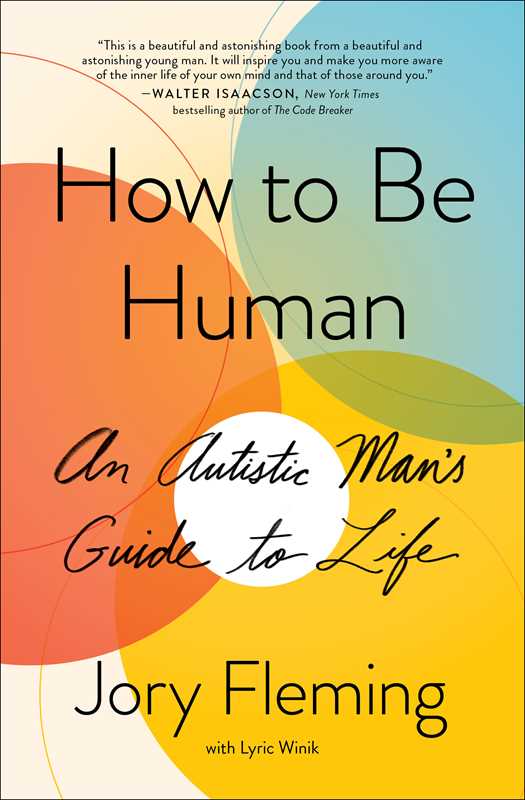
by Jory Fleming: Paperback; 192 pages / English
[Simon & Schuster] A “beautiful and astonishing” (Walter Isaacson, # 1 New York Times bestselling author of The Code Breaker) narrative that examines the many ways to be fully human, told by the first young adult with autism to attend Oxford University as a Rhodes Scholar. As a child, Jory Fleming was wracked by uncontrollable tantrums, had no tolerance for people, and couldn’t manage the outside world. Slightly more than a decade later, he was bound for England, selected to attend one of the world’s premier universities. How to Be Human is a “profound, thought-provoking” (Barry M. Pizant, PhD, author of Uniquely Human) exploration of life amid a world constructed for neurotypical brains when yours is not. But the miracle of this book is that instead of dwelling on Jory’s limitations, those who inhabit the neurotypical world will begin to better understand their own: they will contemplate what language cannot say, how linear thinking leads to dead ends, and how nefarious emo
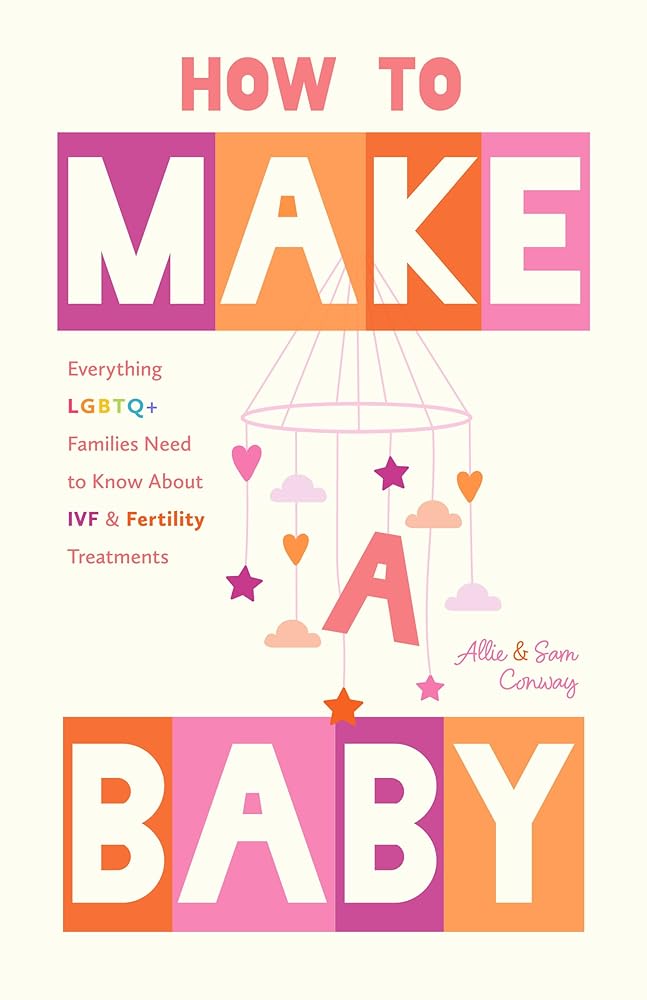
BUILDING FAMILIES THROUGH SCIENCE AND LOVE
Allie and Sam, widely recognized as "Mommy and Other Mommy," share their emotional and transformative journey to parenthood in How to Make a Baby: Everything LGBTQ+ Families Need to Know About IVF. This inspiring guide is a must-read for LGBTQ+ families navigating artificial insemination, IVF, and other fertility options.
#1 New Release in Pregnancy & Childbirth
Growing a family as a same-sex couple comes with unique challenges. For Allie and Sam, the path to parenthood was anything but easy. Their story reveals the highs and lows of a three-year journey, involving IUIs, a home insemination, IVF cycles, frozen embryo transfers, and significant financial and emotional investments.
From heartbreak to hope, their journey offers a beacon of guidance. Navigating heteronormative fertility clinics, answering questions about their family dynamic, and overcoming countless obstacles, Allie and Sam show that with determination and love, it’s possible to create the family you’ve dreamed of.
Inside, you’ll find:
* A comprehensive guide to fertility treatments like artificial insemination, IVF, and frozen embryo transfers, specifically for LGBTQ+ families.
* Valuable insights into the emotional, societal, and financial challenges of the fertility journey, including IVF costs and clinic experiences.
* Hopeful, practical advice to support your unique path to parenthood and create a more inclusive understanding of lesbian couples and their families.
If you liked It Starts with the Egg, You Got This - IVF Planner and Journal, or Oh Sis, You’re Pregnant!, you’ll love How to Make a Baby.

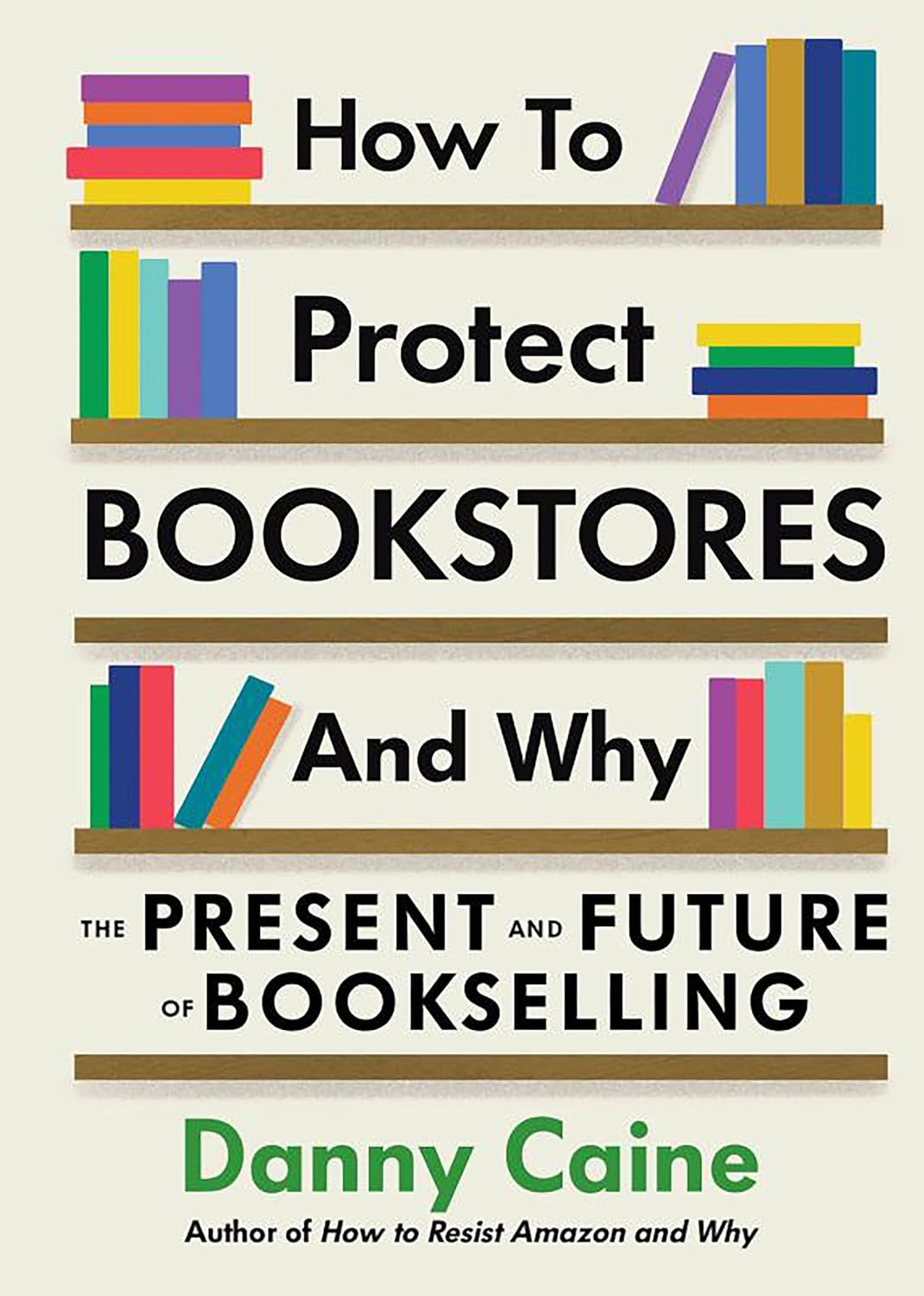
"As bastions of culture, anchors of local retail districts, community gathering places, and the sources of new ideas, inspiration, and delight, bookstores have the capacity to save the world. Therefore, we need to protect them and the critical roles theyfill in our communities. Danny Caine makes a compelling case for the power of small, local businesses in this thoughtful examination of the dynamic world of bookstores"--
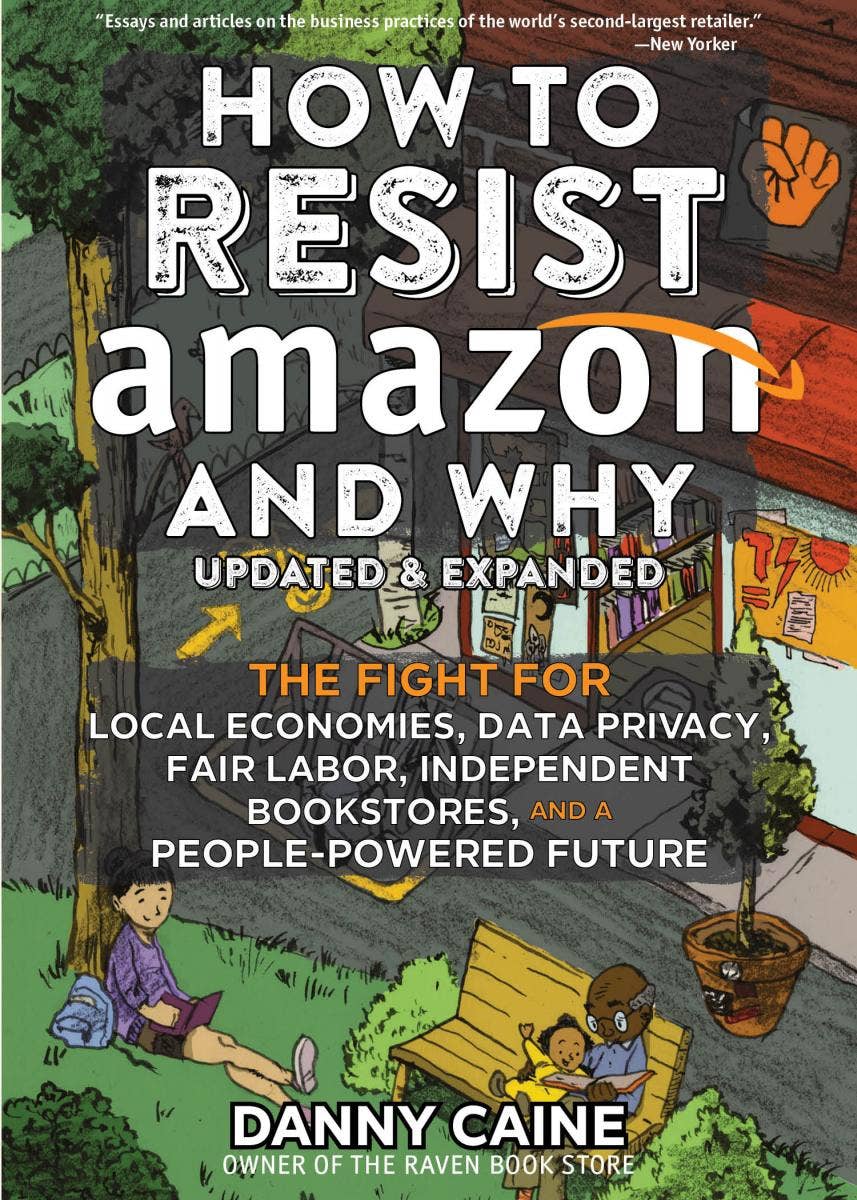
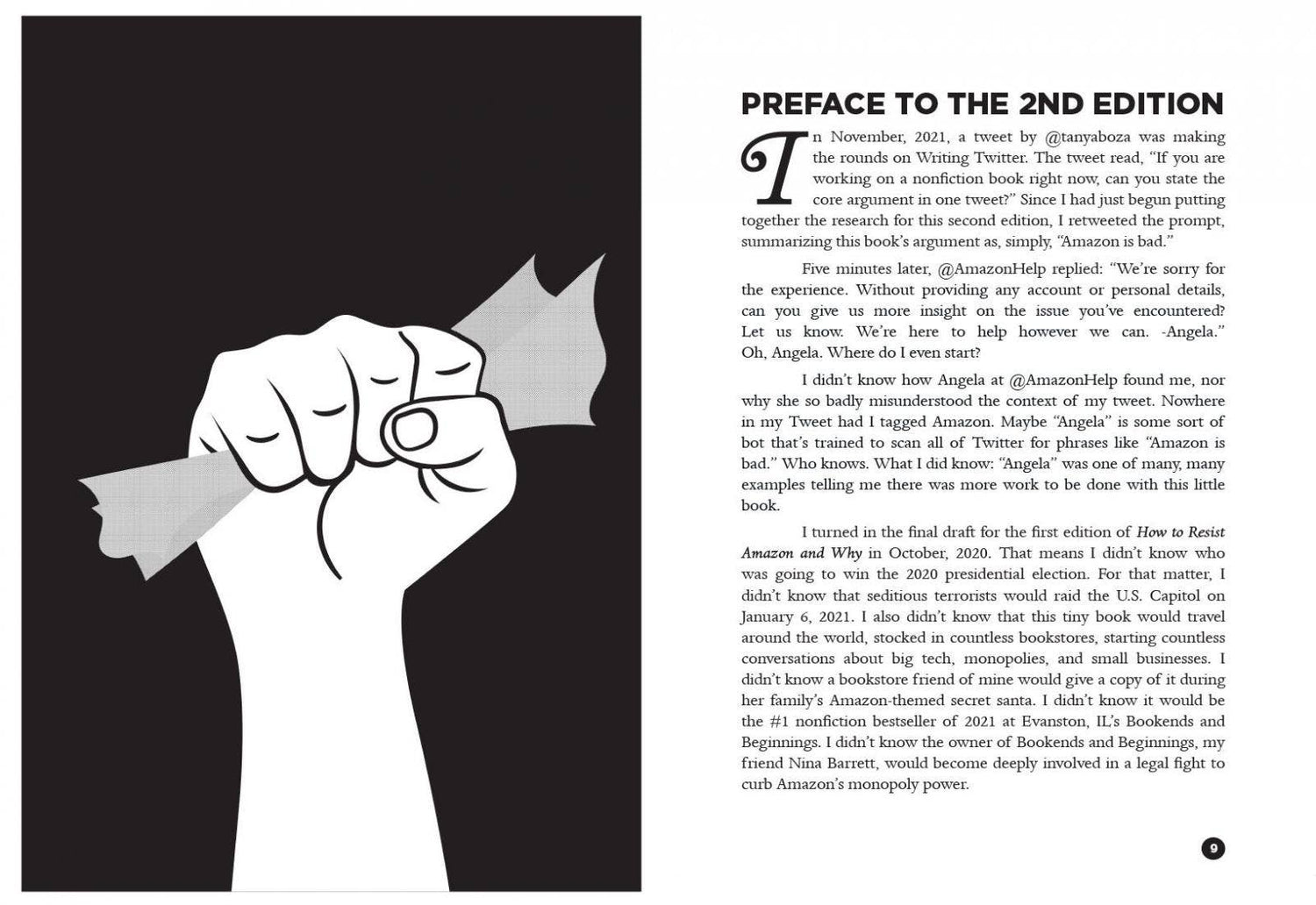
"When a company's workers are literally dying on the job, when their business model relies on preying on local businesses and even their own vendors, when their CEO is the richest person in the world while their workers make low wages with impossible quotas... wouldn't you want to resist? Danny Caine, owner of Raven Book Store in Lawrence, Kansas has been an outspoken critic of the seemingly unstoppable Goliath of the bookselling world: Amazon. In this book, he lays out the case for shifting our personal money and civic investment away from global corporate behemoths and to small, local, independent businesses. Well-researched and lively, his tale covers the history of big box stores, the big political drama of delivery, and the perils of warehouse work. He shows how Amazon's ruthless discount strategies mean authors, publishers, and even Amazon themselves can lose money on every book sold. And he spells out a clear path to resistance, in a world where consumers are struggling to get by. In-depth research is interspersed with charming personal anecdotes from bookstore life, making this a readable, fascinating, essential book for the 2020s"--
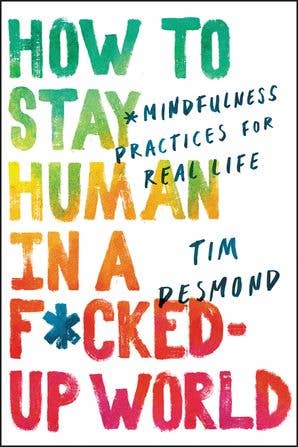
By Tim Desmond
Mindfulness Practices for Real Life•HC••A modern approach to mindfulness from an esteemed Buddhist scholar and Psychology professor.
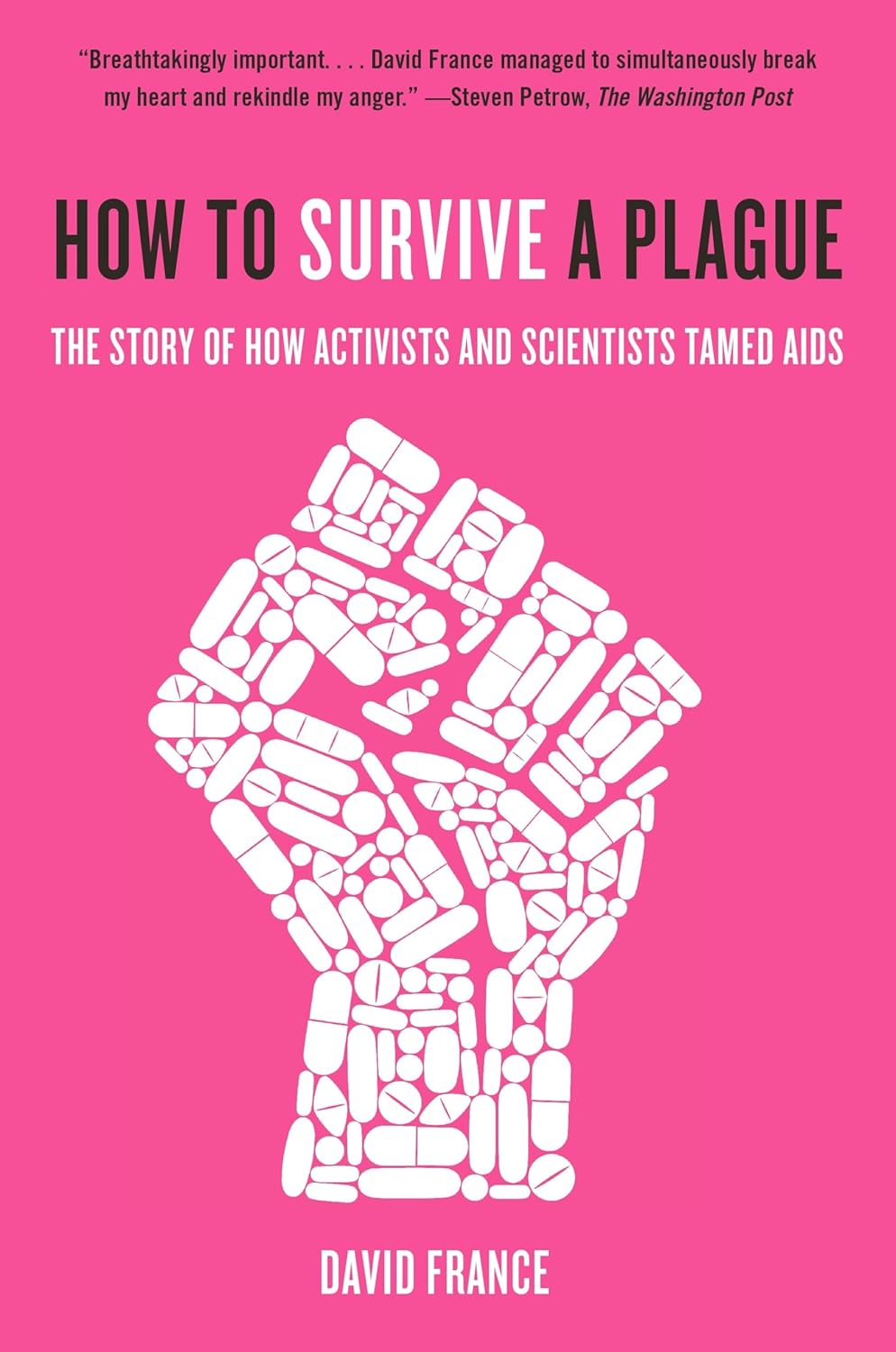

One of Entertainment Weekly's Top 10 Nonfiction Books of the Decade
A definitive history of the successful battle to halt the AIDS epidemic, here is the incredible story of the grassroots activists whose work turned HIV from a mostly fatal infection to a manageable disease. Almost universally ignored, these men and women learned to become their own researchers, lobbyists, and drug smugglers, established their own newspapers and research journals, and went on to force reform in the nation’s disease-fighting agencies. From the creator of, and inspired by, the seminal documentary of the same name, How to Survive a Plague is an unparalleled insider’s account of a pivotal moment in the history of American civil rights.
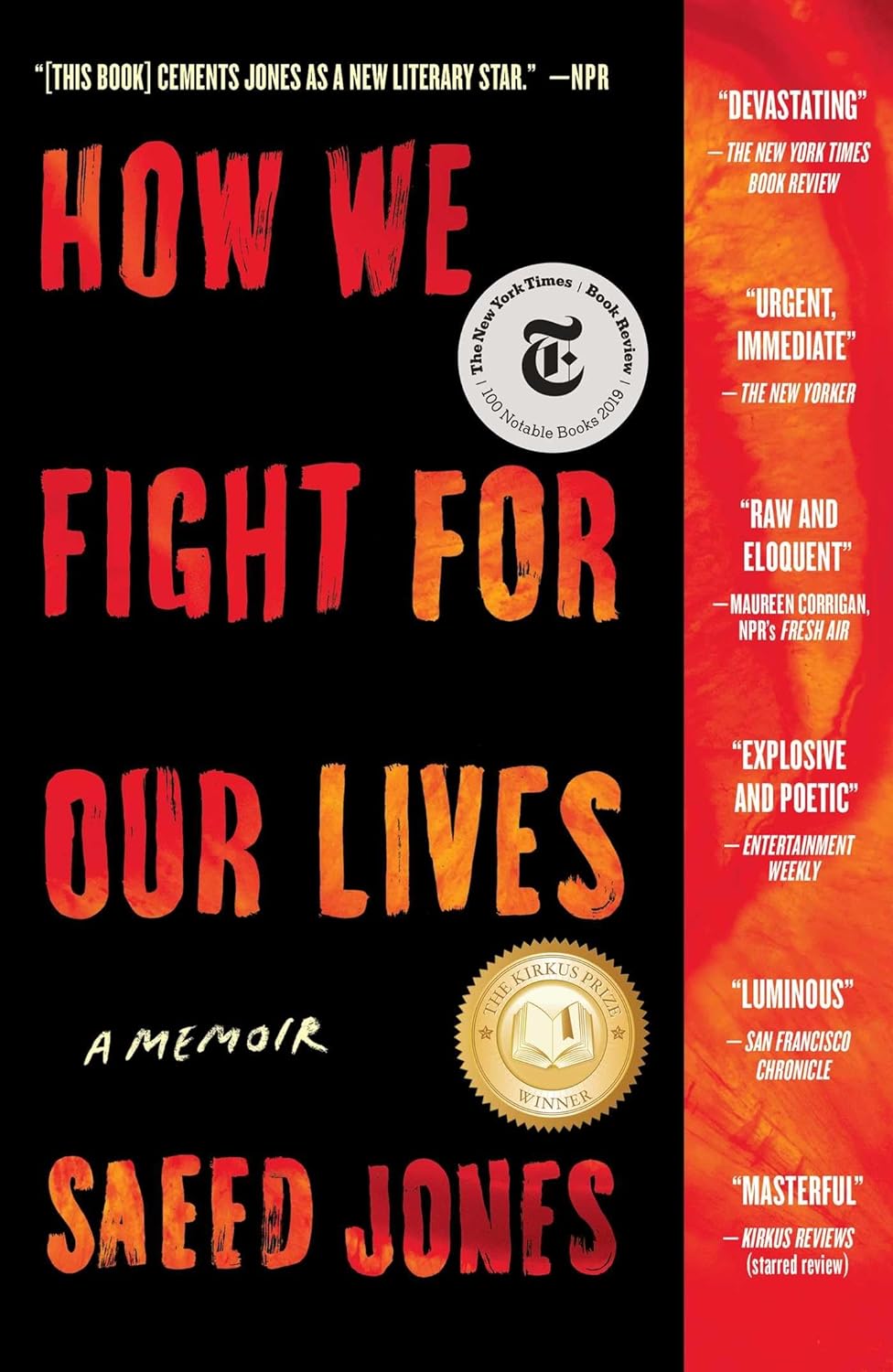
By: Saeed Jones, 2020, paperback
“People don’t just happen,” writes Saeed Jones. “We sacrifice former versions of ourselves. We sacrifice the people who dared to raise us. The ‘I’ it seems doesn’t exist until we are able to say, ‘I am no longer yours.’”
Haunted and haunting, How We Fight for Our Lives is a stunning coming-of-age memoir about a young, black, gay man from the South as he fights to carve out a place for himself, within his family, within his country, within his own hopes, desires, and fears. Through a series of vignettes that chart a course across the American landscape, Jones draws readers into his boyhood and adolescence—into tumultuous relationships with his family, into passing flings with lovers, friends, and strangers. Each piece builds into a larger examination of race and queerness, power and vulnerability, love and grief: a portrait of what we all do forone another—and to one another—as we fight to become ourselves.
An award-winning poet, Jones has developed a style that’s as beautiful as it is powerful—a voice that’s by turns a river, a blues, and a nightscape set ablaze. How We Fight for Our Lives is a one-of-a-kind memoir and a book that cements Saeed Jones as an essential writer for our time.

How We Get Free (Updated 2nd Edition): Black Feminism and the Combahee River Collective
$19.95
Unit price perHow We Get Free (Updated 2nd Edition): Black Feminism and the Combahee River Collective
$19.95
Unit price perWinner of the 2018 Lambda Literary Award for LGBTQ Nonfiction
“If Black women were free, it would mean that everyone else would have to be free.”
―Combahee River Collective Statement
The Combahee River Collective, a pathbreaking group of radical Black feminists, was one of the most important organizations to develop out of the antiracist and women’s liberation movements of the 1960s and ’70s. In this collection of essays and interviews edited by activist-scholar Keeanga-Yamahtta Taylor, founding members and contemporary activists reflect on the organization’s contributions to Black feminism and its impact on today’s struggles.
This expanded second edition features a new introduction by Taylor and a powerful new interview with Angela Y. Davis.