Sort by:
882 of 1932 products
882 of 1932 products


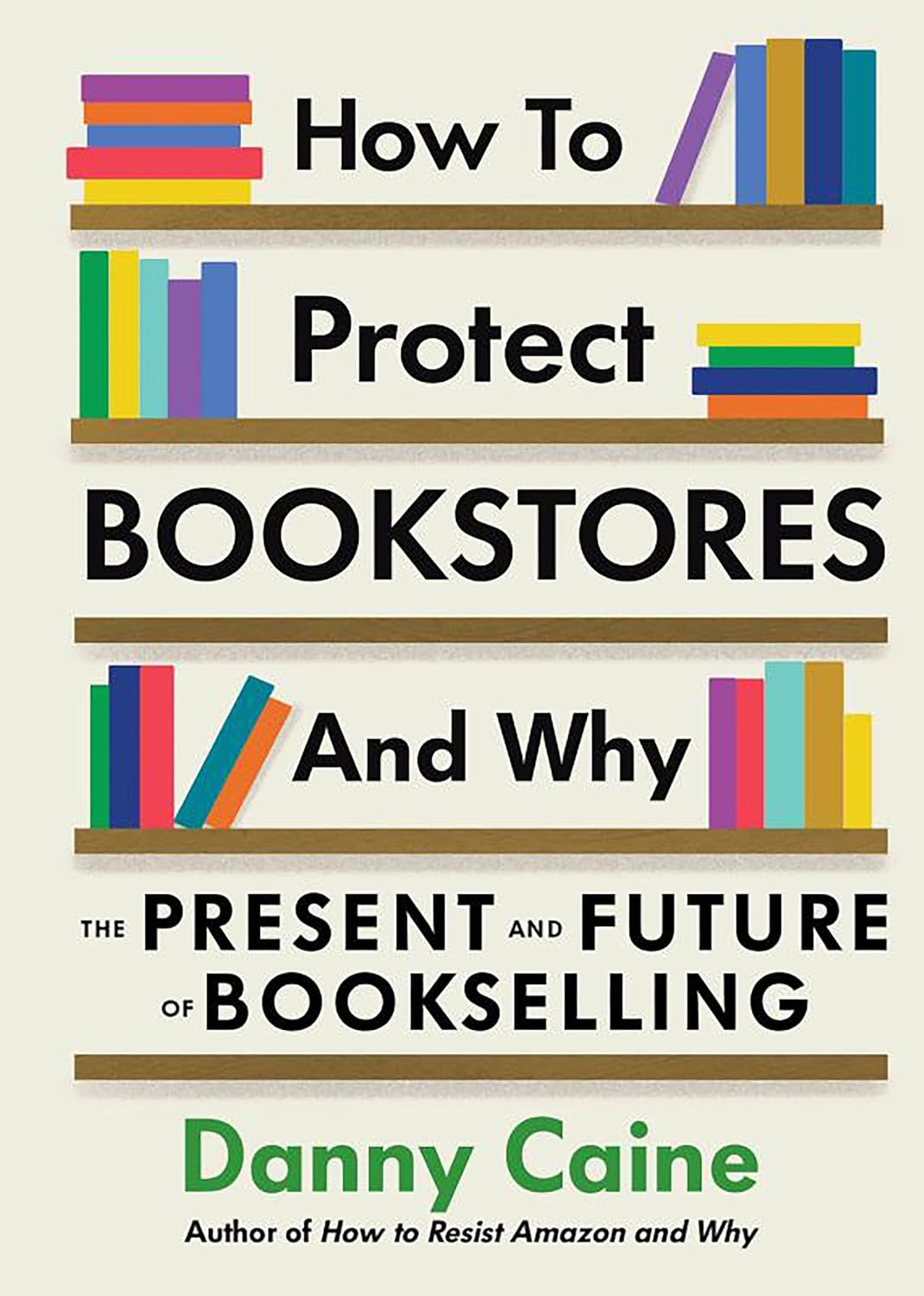
"As bastions of culture, anchors of local retail districts, community gathering places, and the sources of new ideas, inspiration, and delight, bookstores have the capacity to save the world. Therefore, we need to protect them and the critical roles theyfill in our communities. Danny Caine makes a compelling case for the power of small, local businesses in this thoughtful examination of the dynamic world of bookstores"--
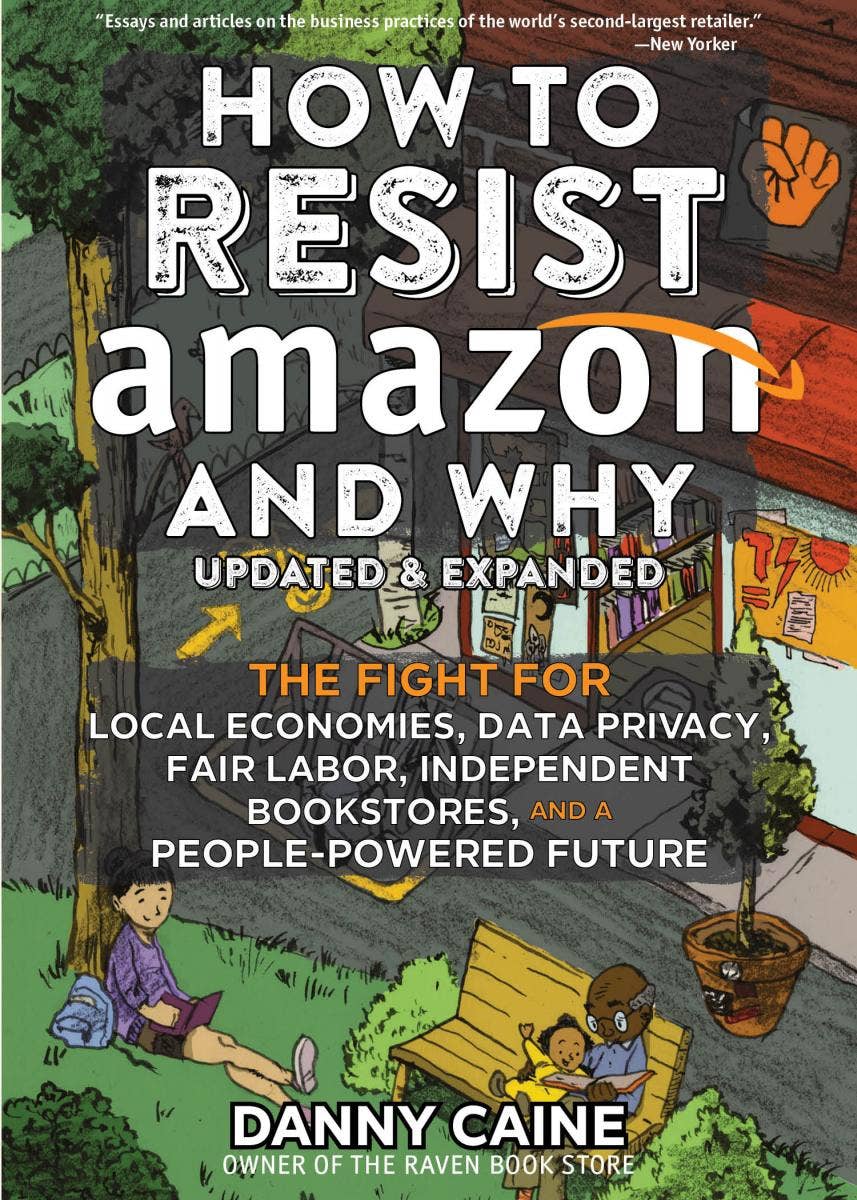
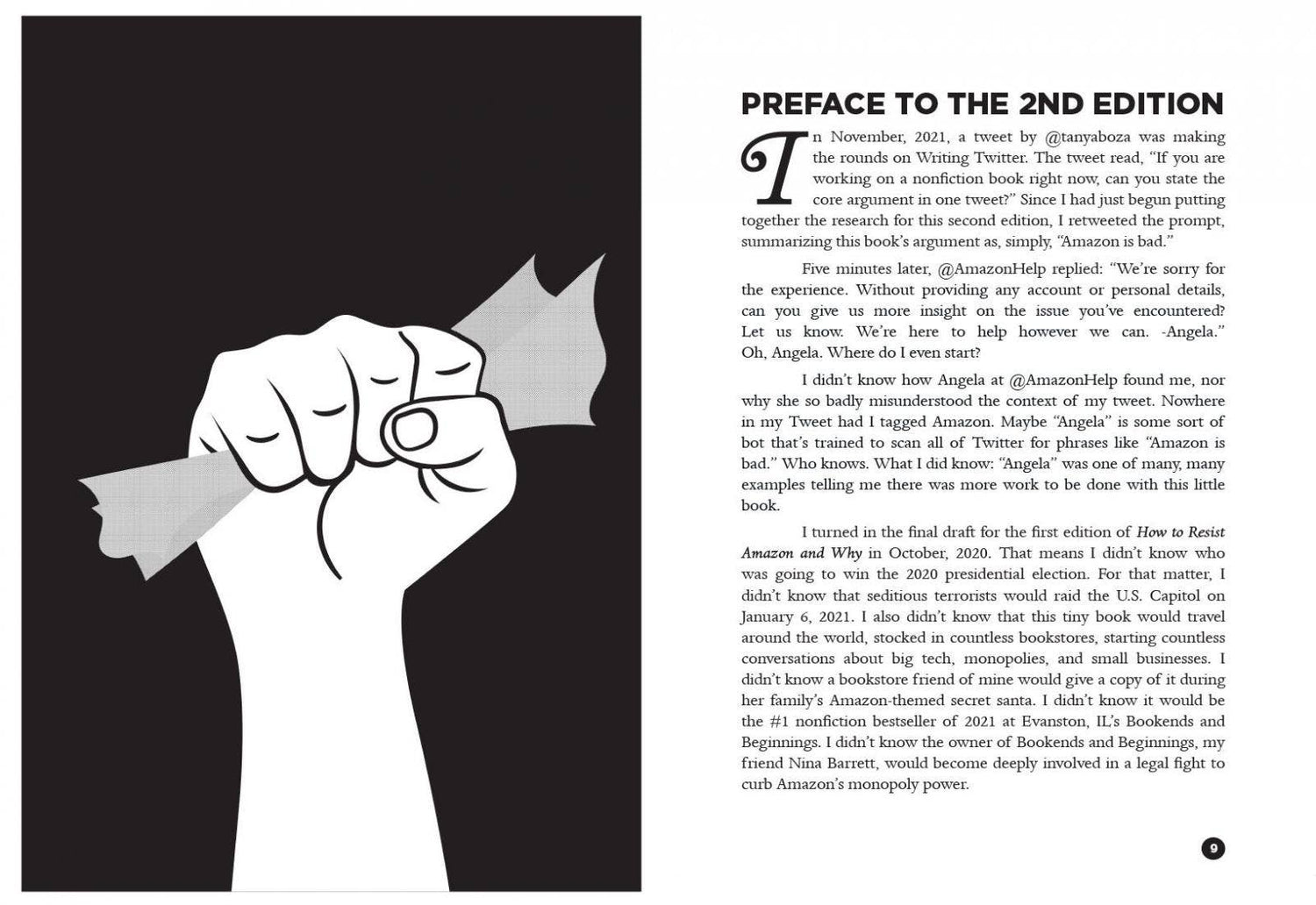
"When a company's workers are literally dying on the job, when their business model relies on preying on local businesses and even their own vendors, when their CEO is the richest person in the world while their workers make low wages with impossible quotas... wouldn't you want to resist? Danny Caine, owner of Raven Book Store in Lawrence, Kansas has been an outspoken critic of the seemingly unstoppable Goliath of the bookselling world: Amazon. In this book, he lays out the case for shifting our personal money and civic investment away from global corporate behemoths and to small, local, independent businesses. Well-researched and lively, his tale covers the history of big box stores, the big political drama of delivery, and the perils of warehouse work. He shows how Amazon's ruthless discount strategies mean authors, publishers, and even Amazon themselves can lose money on every book sold. And he spells out a clear path to resistance, in a world where consumers are struggling to get by. In-depth research is interspersed with charming personal anecdotes from bookstore life, making this a readable, fascinating, essential book for the 2020s"--
By Tim Desmond
Mindfulness Practices for Real Life•HC••A modern approach to mindfulness from an esteemed Buddhist scholar and Psychology professor.

One of Entertainment Weekly's Top 10 Nonfiction Books of the Decade
A definitive history of the successful battle to halt the AIDS epidemic, here is the incredible story of the grassroots activists whose work turned HIV from a mostly fatal infection to a manageable disease. Almost universally ignored, these men and women learned to become their own researchers, lobbyists, and drug smugglers, established their own newspapers and research journals, and went on to force reform in the nation’s disease-fighting agencies. From the creator of, and inspired by, the seminal documentary of the same name, How to Survive a Plague is an unparalleled insider’s account of a pivotal moment in the history of American civil rights.
By: Saeed Jones, 2020, paperback
“People don’t just happen,” writes Saeed Jones. “We sacrifice former versions of ourselves. We sacrifice the people who dared to raise us. The ‘I’ it seems doesn’t exist until we are able to say, ‘I am no longer yours.’”
Haunted and haunting, How We Fight for Our Lives is a stunning coming-of-age memoir about a young, black, gay man from the South as he fights to carve out a place for himself, within his family, within his country, within his own hopes, desires, and fears. Through a series of vignettes that chart a course across the American landscape, Jones draws readers into his boyhood and adolescence—into tumultuous relationships with his family, into passing flings with lovers, friends, and strangers. Each piece builds into a larger examination of race and queerness, power and vulnerability, love and grief: a portrait of what we all do forone another—and to one another—as we fight to become ourselves.
An award-winning poet, Jones has developed a style that’s as beautiful as it is powerful—a voice that’s by turns a river, a blues, and a nightscape set ablaze. How We Fight for Our Lives is a one-of-a-kind memoir and a book that cements Saeed Jones as an essential writer for our time.

How We Get Free (Updated 2nd Edition): Black Feminism and the Combahee River Collective
$19.95
Unit price perHow We Get Free (Updated 2nd Edition): Black Feminism and the Combahee River Collective
$19.95
Unit price perWinner of the 2018 Lambda Literary Award for LGBTQ Nonfiction
“If Black women were free, it would mean that everyone else would have to be free.”
―Combahee River Collective Statement
The Combahee River Collective, a pathbreaking group of radical Black feminists, was one of the most important organizations to develop out of the antiracist and women’s liberation movements of the 1960s and ’70s. In this collection of essays and interviews edited by activist-scholar Keeanga-Yamahtta Taylor, founding members and contemporary activists reflect on the organization’s contributions to Black feminism and its impact on today’s struggles.
This expanded second edition features a new introduction by Taylor and a powerful new interview with Angela Y. Davis.
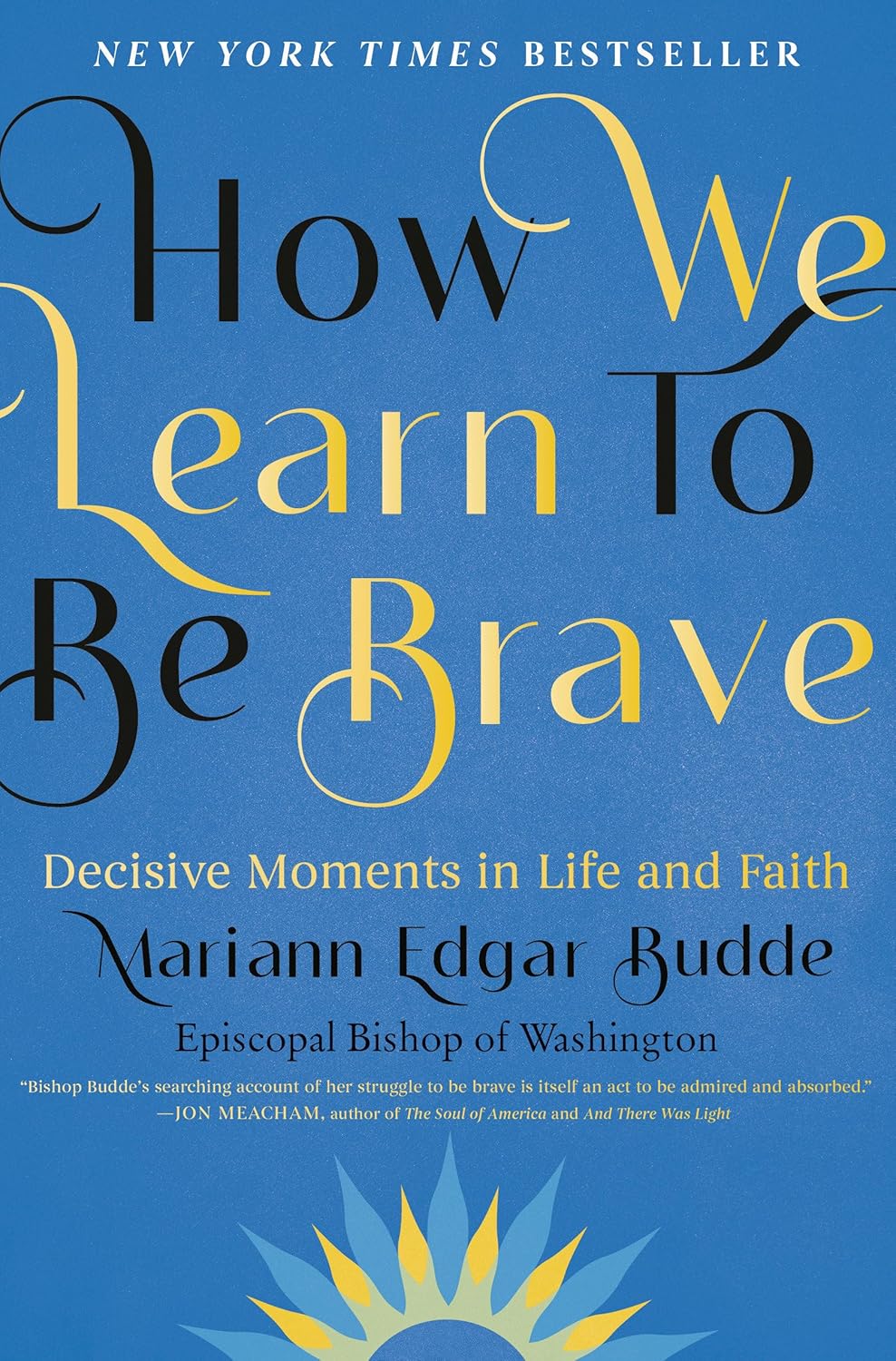
By: Mariann Edgar Budde (Author), 2023, Hardcover
A NEW YORK TIMES BESTSELLER
How We Learn to Be Brave is an inspirational guide to the key junctures in life that, if navigated with faith and discernment, pave the way for us to become our most courageous selves, by the bishop of the famed Episcopal Diocese of Washington, D.C.
On January 21, 2025, many Americans were introduced to Bishop Mariann Budde thanks to what The New York Times called “an extraordinary act of public resistance.” During her prayer service for Donald J. Trump’s second inauguration, Bishop Budde addressed the president directly, imploring him “to have mercy on the people in our country who are scared now,” from those who are part of the LGBTQ+ community to immigrants and refugees.
But for Bishop Budde, this moment was the culmination of a lifetime spent thinking about those pivot points when we’re called on to push past our fears and act with strength. With How We Learn to Be Brave, she teaches us that being brave is not a singular occurrence; it’s a journey that we can choose to undertake every day.
Here, Bishop Budde explores the full range of decisive moments, from the most visible and dramatic (the decision to go), to the internal and personal (the decision to stay), to brave choices made with an eye toward the future (the decision to start), those born of suffering (the decision to accept that which we did not choose), and those that come unexpectedly (the decision to step up to the plate). Drawing on examples ranging from Harry Potter to the Gospel According to Luke, she seamlessly weaves together personal experiences with stories from scripture, history, and pop culture to underscore both the universality of these moments and the particular call each one of us must heed when they arrive.
With Bishop Budde’s wisdom, readers will learn to live and to respond according to their true beliefs and in ways that align with their best selves. How We Learn to Be Brave will provide much-needed fortitude and insight to anyone searching for answers in uncertain times.

By: Anita Kelly (Author), 2024, Paperback
Chemistry sizzles in this workplace rom-com set in the world of high school basketball as the author of Love & Other Disasters delivers a sapphic romance full of humor and heart.
When a smart-mouthed junior joins East Nashville High’s basketball team, Coach Julie Parker’s ready for the challenge. What she’s not prepared for is the teen’s new foster parent, a super-hot ex-WNBA baller and star of Julie’s fantasies. Julie knows the cool and confident Elle Cochrane is way out of her league. But despite being completely tongue-tied around her, somehow Julie persuades Elle to step in as her assistant coach.
Elle has not been on a court since her career-ending injury, but she can’t seem to resist Julie, who is just as adorable as her nervous babbling. Maybe because being around her makes Elle feel sparks for the first time in long while—which is why she offers to help when Julie reveals her lifelong insecurity about dating and how she wishes she could practice at it…like sports. As Elle helps Julie navigate dating life, lines grow increasingly blurred, and the two must decide whether they’ll stay on the sidelines—or finally take their shot.

NATIONAL BESTSELLER
“I didn’t like this, I LOVED it.” —Taylor Jenkins Reid, #1 New York Times bestselling author of Atmosphere and The Seven Husbands of Evelyn Hugo
A Rolling Stone 10 Most Anticipated Books of the Year • An NBC Queer Summer Beach Read to Devour • A Barnes & Noble Best Horror Book of the Year • A Scary Mommy 11 Most Anticipated Books of the Year • A Them 10 Most Anticipated Books of the Year • A Goodreads Editors' Top Pick of the Month • A Town & Country Must Read Book of the Winter • A LitHub Most Anticipated Book of the Year • A Fable Most Anticipated Read of the Year • A Goodreads Readers’ Most Anticipated Horror Novel of the Year • A Book Riot Most Anticipated Book of the Year
A compulsive feminist reworking of Carmilla, the queer novella that inspired Dracula.
It’s the height of the industrial revolution and ten years into Lenore’s marriage to steel magnate Henry, their relationship has soured. When Henry’s ambitions take them from London to the remote British moorlands to host a hunting party, a shocking carriage accident brings the mysterious Carmilla into their lives. Carmilla, who is weak and pale during the day but vibrant at night. Carmilla, who stirs up something deep within Lenore. And before long, girls from the local villages fall sick, consumed by a terrible hunger . . .
As the day of the hunt draws closer, Lenore begins to unravel, questioning the role she has been playing all these years. Torn between regaining her husband’s affection and the cravings Carmilla has awakened, soon Lenore will uncover a darkness in her household that will place her at terrible risk.
“Hungerstone is a delicious tribute to the inherent horrors of womanhood and the desperate and exquisite vulgarity of desire. This is everything I dream of in a novel.” —Ava Reid, #1 New York Times bestselling author of A Study in Drowning and Lady Macbeth

The morning that I read Mahmoud Khalil had been arrested, I wrote a short meditation on a postcard. I had written postcard poems before, drawn to the brevity and the link between the poem and the image. I asked him what he needed for the journey. I dropped the card in the mail to a friend. But the stories kept coming. My morning meditations, contained by the small message space of the postcard, began to take into their ambit not just the deportation regime but the administration’s broader attacks on history, truth, law, democratic norms—and in the face of such fears, my own mortality. What kind of disaster did I think was coming?
I asked him what he needed
for the journey. He said,
Write down what you saw.
Maybe, someday, the world
will want to know.
Along with poems, the book has postcard reproductions in full color.
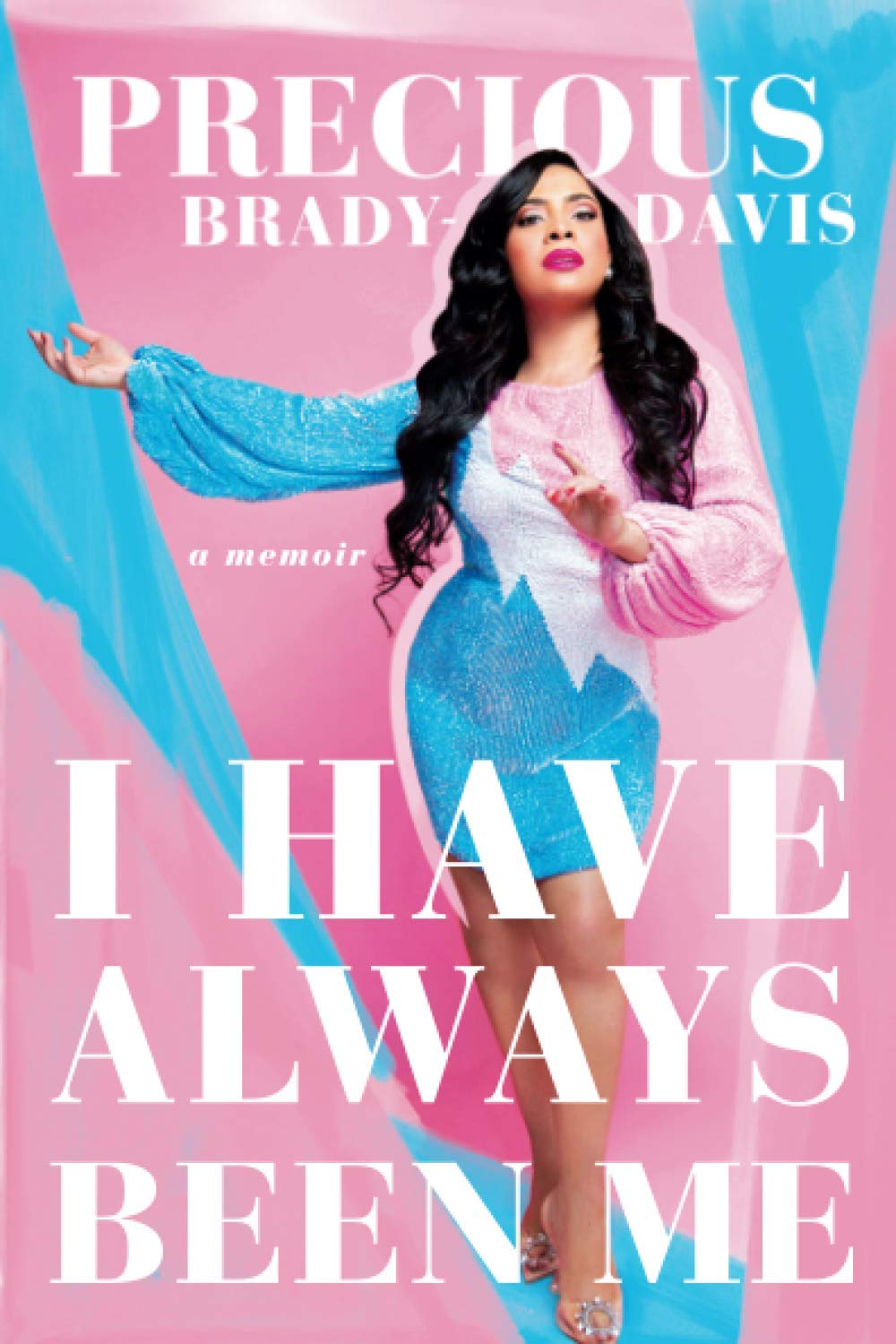
By: Precious Brady-Davis (Author), Joey Soloway (Introduction), 2021, Paperback
A powerful memoir of independence, releasing the past, and living the dream by award-winning trans advocate Precious Brady-Davis.
Precious Brady-Davis remembers the sense of being singular and grappling with “otherness.” Born into traumatic circumstances, Davis was brought up in the Omaha foster care system and the Pentecostal faith. As a biracial, gender-nonconforming kid, she felt displaced. Yet she realized by coming into her identity that she had a purpose all along.
In I Have Always Been Me, Brady-Davis reflects on a childhood of neglect, instability, and abandonment. She reveals her determination to dream through it and shares her profound journey as a trans woman now fully actualized, absolutely confident, and precious. She speaks to anyone who has ever tried to find their place in this world and imparts the wisdom that comes with surmounting odds and celebrating on the other side.
A memoir, a love story, and an outreach for the marginalized, Precious’s sojourn is a song of self-reliance and pride and an invitation to join in the chorus.
Four Seasons Volume 3 (I Hear the Sunspot Series)
Though handsome and well-liked, Kohei Sugihara has led a gloomy and withdrawn existence ever since he developed severe hearing loss in junior high. But in college, a chance encounter with his ever optimistic classmate Taichi Sagawa ignites an undeniable shared spark that eventually blossoms into love.
Graduation nears for Kohei, and with a job offer in hand from his top choice, he embarks on a summer internship to ease the transition. However, the experience quickly turns into a trial by fire, leaving Kohei struggling to find his way among the sometimes divisive opinions of his new coworkers.
“I’m always gonna be there to lift you to your feet.
Even when we get into a fight, I’m still on your side!”
Because of a hearing disability, Kohei is often misunderstood and has trouble integrating into life on campus, so he learns to keep his distance. That is until he meets the outspoken and cheerful Taichi. He tells Kohei that his hearing loss is not his fault. Taichi's words cut through Kohei's usual defense mechanisms and open his heart. More than friends, less than lovers, their relationship changes Kohei forever.