Sort by:
33 of 1429 products
33 of 1429 products

Kink Curious: A Guide to Exploring Your Kinks, Dispelling Shame, and Staying Safe
$19.95
Unit price perKink Curious: A Guide to Exploring Your Kinks, Dispelling Shame, and Staying Safe
$19.95
Unit price perListen up! Humans are kinky!
Kink has been around as long as humans have existed, but comes with an astonishing amount of myths and misunderstandings. This is a sex-positive, shame-free guide to kink for everyone from curious beginners to seasoned kinksters.
This book delves deep in every corner of the kink sphere. It jumps headfirst into the foundations of powerplay, at the differences between kink and fetish, and gives you the low-down on all kinds of bondage and impact play styles, while putting mental and physical health at the forefront. Whether you want a 101 in flogging safely, to plan a roadmap for experimenting with different kinds of niche play, or to learn how to explore what your desires and boundaries are in a fun, consensual and trauma-informed way - this is the guide for you.
With kink exercises, journal prompts, worksheets and agony aunt letters, this has all the practical tools you'll need for a spicy, shame-free kink journey.
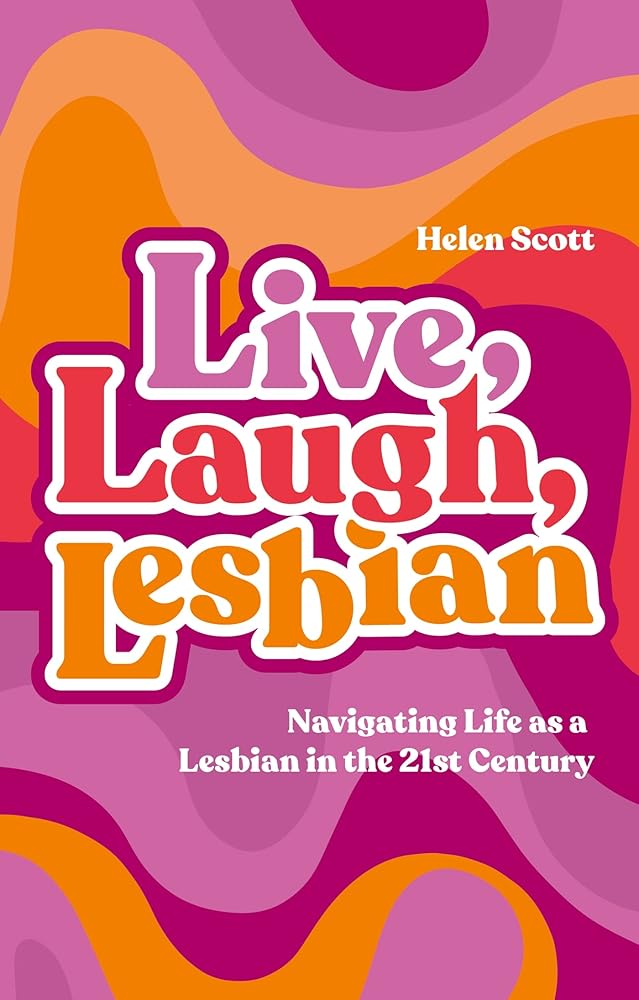
"Sometimes, it's easy to feel like the only lesbian in the world - let alone in the village. But wherever you are with your sexuality, you've just picked up a book with the word 'lesbian' in the title and I know baby you would be so proud."
From strap-ons and Lesbian Bed Death to dealing with homophobic microaggressions in the workplace and finding your second family, Helen Scott, lesbian big sister and lipstick femme in chief is here to hold your hand as you travel your own unique path to Gay Town.
Half memoir, half guide, and 100% big lesbian hug, plunge with Helen into the highs and lows of navigating lesbian life in the modern world and emerge with all the lesbian life hacks you'll need to get out there and live the life of your dreams.
Candid, wise, bold and hilarious - it's time to reclaim the L in LGBTQ+
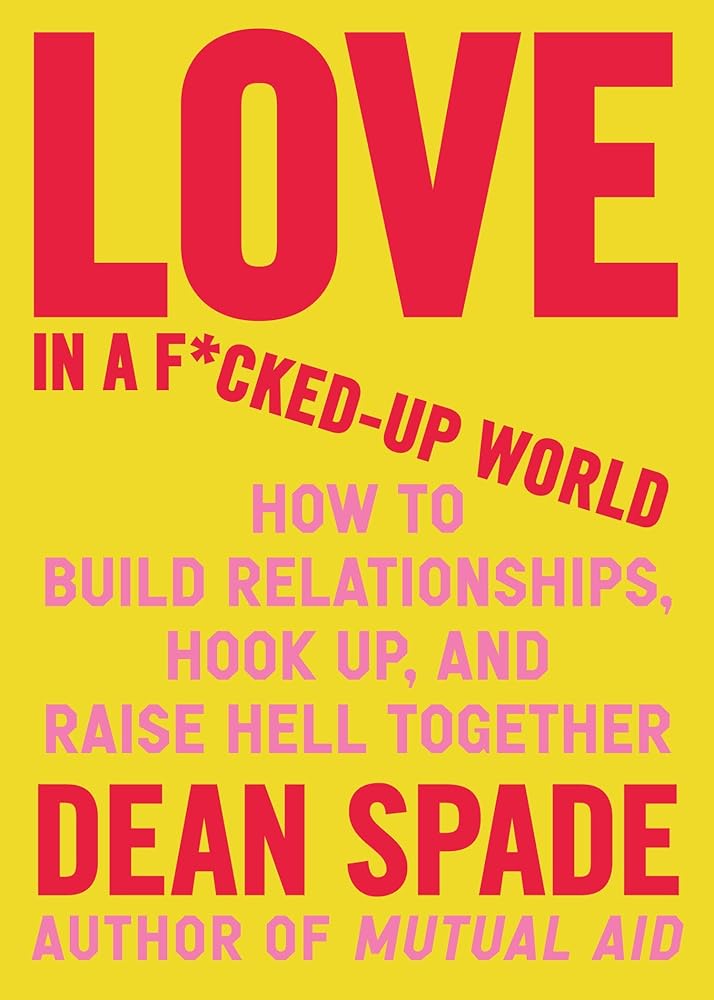
Love in a F*cked-Up World: How to Build Relationships, Hook Up, and Raise Hell Together
$19.99
Unit price perLove in a F*cked-Up World: How to Build Relationships, Hook Up, and Raise Hell Together
$19.99
Unit price perIn this inspiring self-help handbook, a trans activist dares us to be the change we want to see—both out in the world, and amongst our closest connections.
Lifelong activist and educator Dean Spade dares us to decide that our interpersonal actions are not separate from our politics of liberation and resistance. Many activist projects and resistance groups fall apart because people treat each other poorly, trying desperately to live out the cultural myths about dating and relationships that we are fed from an early age.
How do we divest from the idea that one romantic partner will be the solution to all our problems? How do we bring our best thinking about freedom and justice into step with our desires for healing and connection?
Love in a F*cked-Up World is a resounding call to action and a practical manifesto for how to combat cultural scripts and take our relationships into our own hands, preparing us for the work of changing the world.
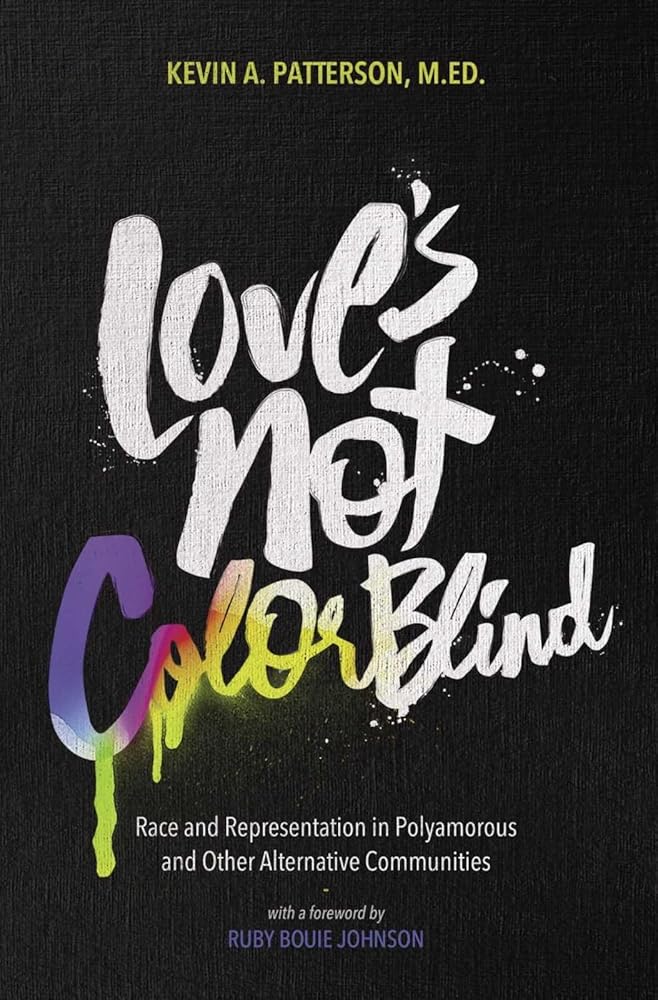
The issues that make monogamous dating daunting for people of color―shaming and exclusion by white partners, being fetishized, having realities of everyday racism ignored―occur in polyamorous relationships too, and trying “not to see race” only makes it worse. To make polyamorous communities inclusive, we must all acknowledge our part in perpetuating racism and listen to people of color. Love's Not Color Blind puts forward the framework―through research, anecdotal testimony, and analogy―for understanding, identifying, and confronting racism within polyamorous communities.

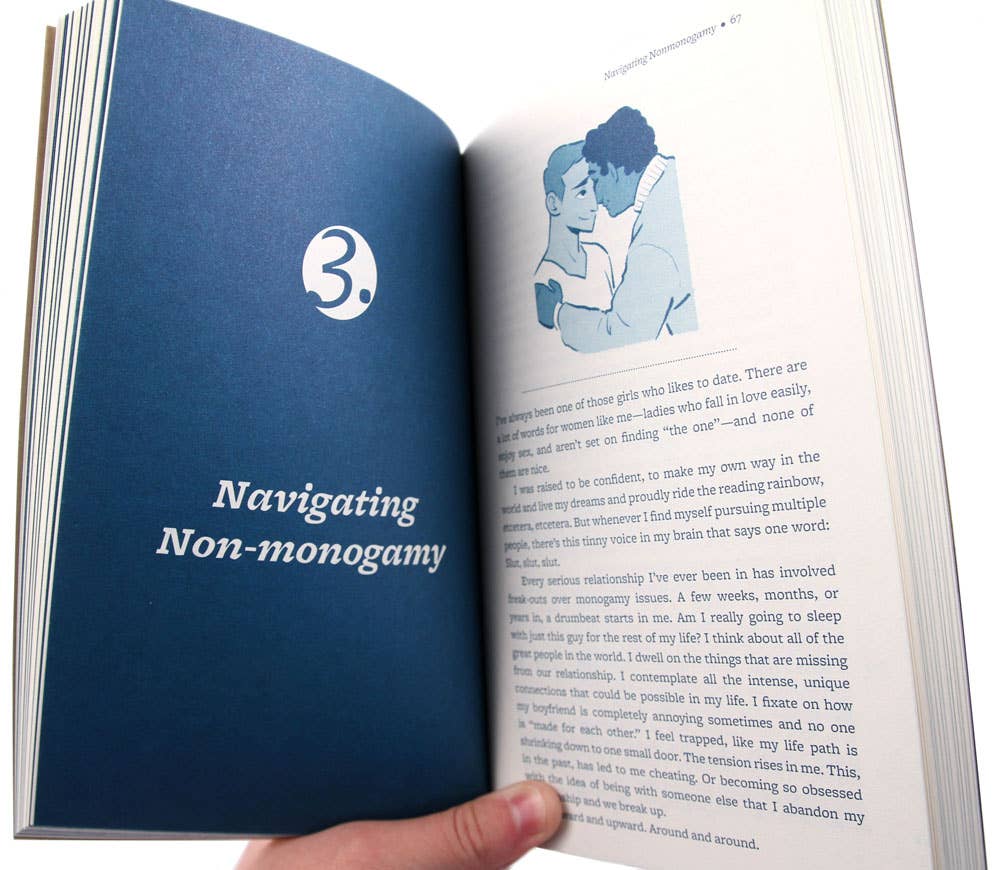
A modern topology of nonmonogamy’s many possibilities―and consequences.
“Can you love more than one person?” A lot of conversations about nonmonogamy start this way. When we discuss “opening” relationships, contemplate whether we want to be exclusive with our partners, or introduce multiple partners to friends and family, we are asking the people in our lives, and ourselves, to contend with this question.
The answer is obvious, and misleading. The love one feels in their heart and the love one expresses through daily acts of care and affection are both “love” in the true sense, but they have different requirements, present different options and produce different outcomes.
More Than Two, Second Edition, can’t promise outcomes, but it is a guide to the paths―from anchor or nesting partnerships to relationship anarchy―possible within nonmonogamy. Drawing on the best of its predecessor while completely reimagining its approach, this entirely new work bridges emerging theories on attachment and relationship diversity with authors Eve Rickert and Andrea Zanin’s insight and experience. The arcs of nonmonogamous partnerships bend towards complexity, introspection and compromise―or at least they can, if we work at it.

A reflection on the many manifestations of broken trust in nonmonogamous relationships, and how to heal from them.
Nonmonogamy can assume many shapes, none of which can claim to be a “safe” model of intimacy. The jet-setting passport paramour who fits the needs of many far-flung lovers into a single carryon has as many opportunities to do right or wrong by their partners as the members of a homebound triad who prefer raising a family to raising hell on the nightlife scene.
Even the most casual of connections requires trust, and where there is trust, there is the potential for betrayal. As long as there have been love stories, there has been love lost through deception, abandonment, or callous disregard of intimate bonds. Intimacy, exclusive or otherwise, can be exploratory or confined, collaborative or autonomous, but one thing it can never be is risk free.
Yes, there is cheating in nonmonogamous relationships. There are other forms of betrayal, too: the cliquish injustices of in-group bullying, the violation of having personal information shared by a trusted partner, the humiliation of seeing someone who claimed to love you “trade up” for a partner with more social, sexual or plain old economic capital. Trust can be broken, and in turn break people, in a great number of ways.
In Nonmonogamy and Betrayal, Eve Rickert, co-author of More Than Two, Second Edition: Cultivating Nonmonogamous Relationships with Kindness and Integrity, explores a regrettable inclination among many who practise nonmonogamy: to downplay or minimize the destructive capacity of broken trust, both to the betrayed partner and to the larger community. Nonmonogamy and Betrayal not only unravels the varieties of betrayal that can occur in nonmonogamy, but explores pathways to recognition and healing.

An examination of how we live in a mononormative paradigm and how nonmonogamous people can defy the status quo.
Exploring nonmonogamy can require us to shift our worldview and deconstruct what we’ve been taught about relationship dynamics. However, it is difficult to defy paradigms while also existing within them―even as we strive to unlearn established norms, we can find ourselves unintentionally reproducing the principles of paradigms like mononormativity in our nonmonogamous relationships. In a society where monogamy is established as normal and reinforced through legal systems and cultural etiquette, this is not surprising.
By examining prevalent cultural norms and values, and presenting real-life examples of mononormativity’s impact, Marla Schreiber encourages readers to consider their own preconceptions and guides them towards effectively defying mononormativity and other intersecting paradigms.
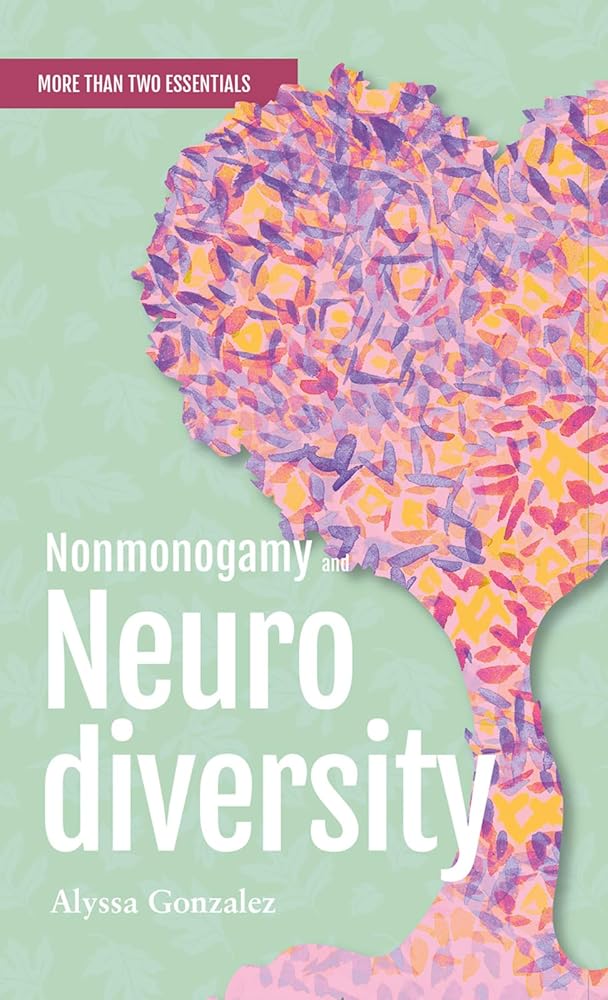
Too often, the neurodivergent community is marginalized, de-sexualized or patronized. Neurodivergent people are often not seen as part of the romantic or sexual landscape, let alone as people who can have multiple partners. However, the fact that neurodivergent people do not see the world or operate within it as other people do makes nonmonogamy both uniquely challenging and uniquely well-suited to them.
This book is for neurodivergent people considering or practicing nonmonogamy. Its goal is to help neurodivergent people understand how well-suited they are to the polyamorous life, and to help them recognize and manage the challenges that being neurodivergent can bring to nonmonogamy. It is also for the partners and potential partners of neurodivergent people, to encourage them to understand different perspectives and to help them be understanding, accommodating and well-informed. Nomonogamous relationships do not belong exclusively to the neurotypicals, but to us all.,
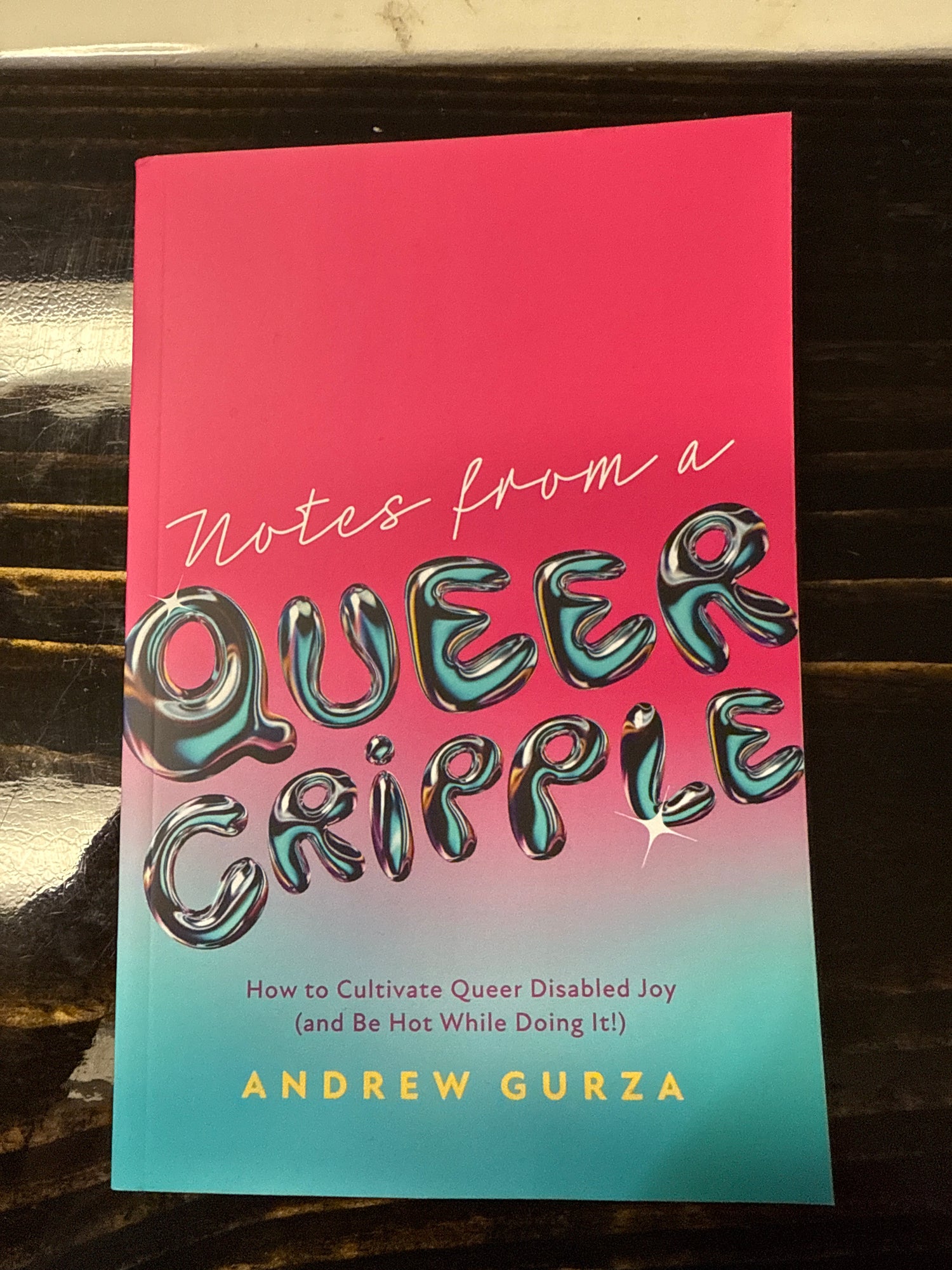
How can I enjoy my hot disabled body whilst dealing with internalised ableism?
How can I best navigate my sex life with mobility issues or a carer?
Why are queer spaces so inaccessible - and what can I do about it?
Andrew Gurza is seriously hot. He's also seriously disabled. Having spent a lifetime navigating the bars, clubs and apps of the queer scene, he's learned a thing or two about sparking queer crip joy amidst the hellscape of ableism, microaggressions and 'pity sex'.
With advice on everything from sexual autonomy and self-pleasure to date-prep and disability disclosure - this is both a self-care bible and an urgent call for the queer community to do better.

***This item will ship on or after the release date of June 16, 2026***
A prize-winning sociologist’s radical vision of the social power of erotic life.
“Fearless, candid, and bold, Sex in Public is necessary reading for anyone interested in imagining a different kind of world, one that approaches eroticism and freedom as fundamentally linked.” —Jennifer C. Nash, author of Black Feminism Reimagined
Whether we are contending with shame, healing from trauma, or experimenting in the bedroom, there is a common tendency to cast anything sexual as a problem best solved in private. Fears of judgment fuel an air of oppression around something that should be liberating. According to feminist sociologist Angela Jones, we must reject this solitary vision of desire to claim the pleasure fundamental to our freedom.
Sex in Public offers a revolutionary new paradigm for understanding sexuality. Sex is never strictly personal, but relentlessly social, shaped by power relations, and possessing outsized power of its own. To make this case, Jones charts the inner and interrelated workings of our desires, behaviors, identities, relationships, and communities.
Guiding readers through field-leading sociology, sexual science, and the voices of sexual rule-breakers worldwide, Jones pinpoints the repressive forces that distort eroticism’s power, but also reveals our means of breaking free. Championing a rebellious spirit that uplifts bodily autonomy, justice, and care, Sex in Public makes a tantalizing promise: better sex lives and empowerment await, if only we dare to know our sexualities fully, reimagining society as we do.
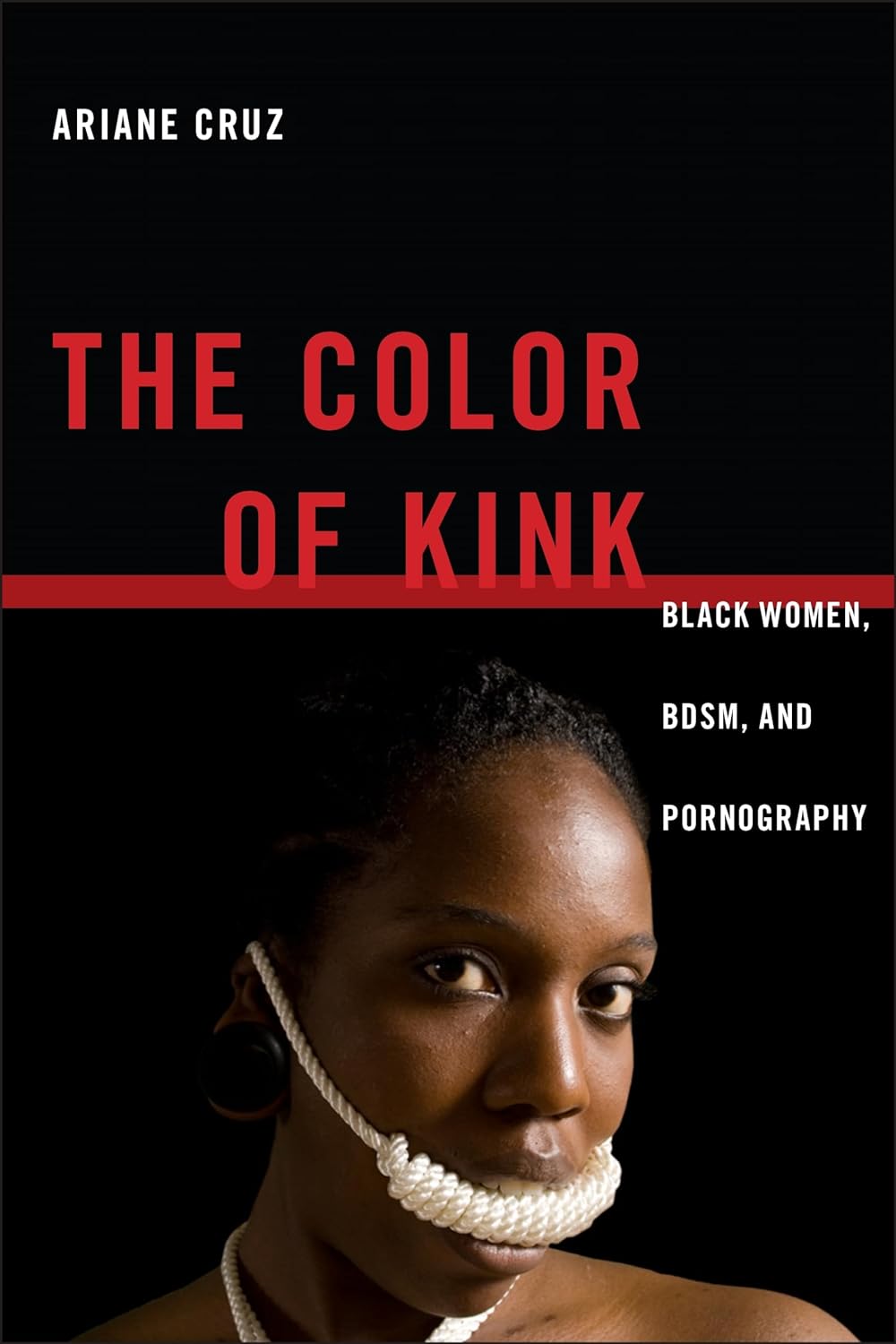
Winner of the MLA's 2016 Alan Bray Prize for Best Book in GLBTQ Studies
How BDSM can be used as a metaphor for black female sexuality. The Color of Kink explores black women's representations and performances within American pornography and BDSM (bondage and discipline, domination and submission, and sadism and masochism) from the 1930s to the present, revealing the ways in which they illustrate a complex and contradictory negotiation of pain, pleasure, and power for black women.
Based on personal interviews conducted with pornography performers, producers, and professional dominatrices, visual and textual analysis, and extensive archival research, Ariane Cruz reveals BDSM and pornography as critical sites from which to rethink the formative links between Black female sexuality and violence. She explores how violence becomes not just a vehicle of pleasure but also a mode of accessing and contesting power. Drawing on feminist and queer theory, critical race theory, and media studies, Cruz argues that BDSM is a productive space from which to consider the complexity and diverseness of black women's sexual practice and the mutability of black female sexuality. Illuminating the cross-pollination of black sexuality and BDSM, The Color of Kink makes a unique contribution to the growing scholarship on racialized sexuality.
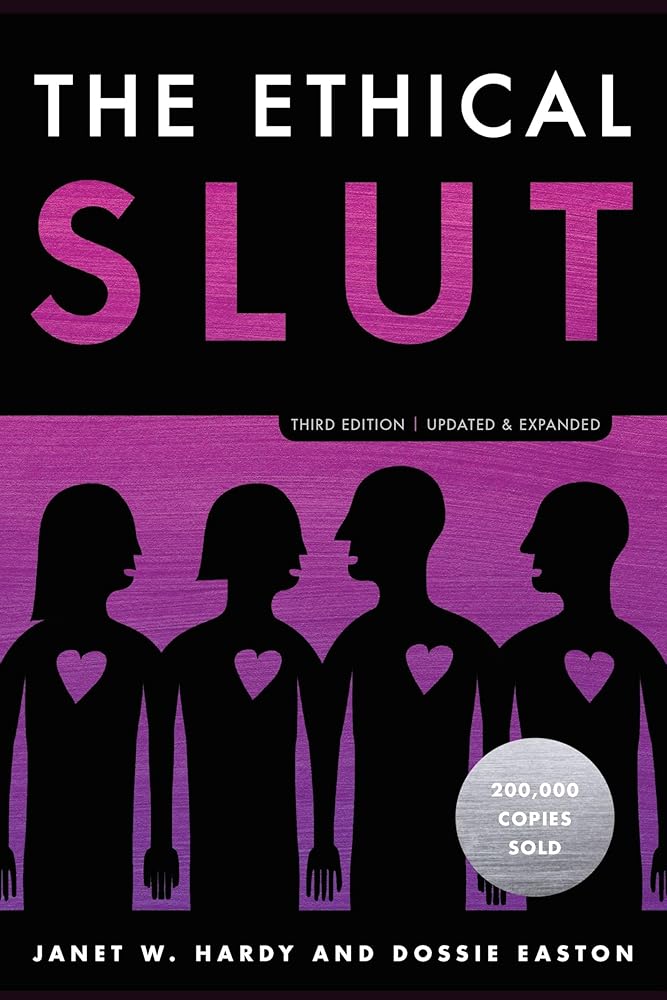
The classic guide to love, sex, and intimacy beyond the limits of conventional monogamy has been fully updated to reflect today’s modern attitudes and the latest information on nontraditional relationships.
“One of the most useful relationship books you could ever read, no matter what your lifestyle choices. It’s chock-full of great information about communication, jealousy, asking for what you want, and maintaining a relationship with integrity.”—Annie Sprinkle, PhD, sexologist and author of Dr. Sprinkle’s Spectacular Sex
For 20 years The Ethical Slut—widely known as the “Poly Bible”—has dispelled myths and showed curious readers how to maintain a successful polyamorous lifestyle through open communication, emotional honesty, and safer sex practices. The third edition of this timeless guide to the ethics of relationships, communication, and sex has been revised to include:
• Interviews with poly millennials (young people who have grown up without the prejudices their elders encountered regarding gender, orientation, sexuality, and relationships)
• Tributes to polyamory pioneers
• Tools for conflict resolution and instructions on how to improve interpersonal dynamics
• New sidebars on topics such as asexuality, sex workers, LGBTQ terminology, and ways polys can connect and thrive
The authors also include new content addressing nontraditional relationships beyond the polyamorous paradigm of “more than two”: couples who don't live together, couples who don't have sex with each other, nonparallel arrangements, couples with widely divergent sex styles, power disparities, and cross-orientation relationships, while utilizing nonbinary gender language and new terms that have come into common usage since the last edition.
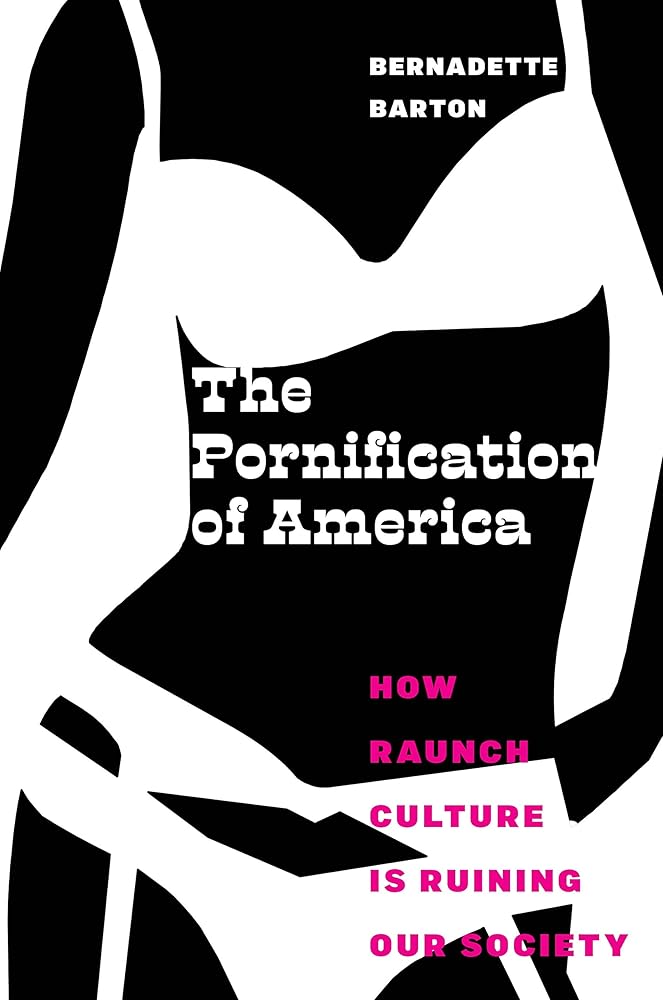
An up-close look at how porn permeates our culture
Pictures of half-naked girls and women can seem to litter almost every screen, billboard, and advertisement in America. Pole-dancing studios keep women fit. Men airdrop their dick pics to female passengers on planes and trains. To top it off, the last American President has bragged about grabbing women “by the pussy.”
This pornification of our society is what Bernadette Barton calls “raunch culture.” Barton explores what raunch culture is, why it matters, and how it is ruining America. She exposes how internet porn drives trends in programming, advertising, and social media, and makes its way onto our phones, into our fashion choices, and into our sex lives. From twerking and breast implants, to fake nails and push-up bras, she explores just how much we encounter raunch culture on a daily basis―porn is the new normal.
Drawing on interviews, television shows, movies, and social media, Barton argues that raunch culture matters not because it is sexy, but because it is sexist. She shows how young women are encouraged to be sexy like porn stars, and to be grateful for getting cat-called or receiving unsolicited dick pics. As politicians vote to restrict women’s access to birth control and abortion, The Pornification of America exposes the double standard we attach to women’s sexuality.