Sort by:
1522 products
1522 products
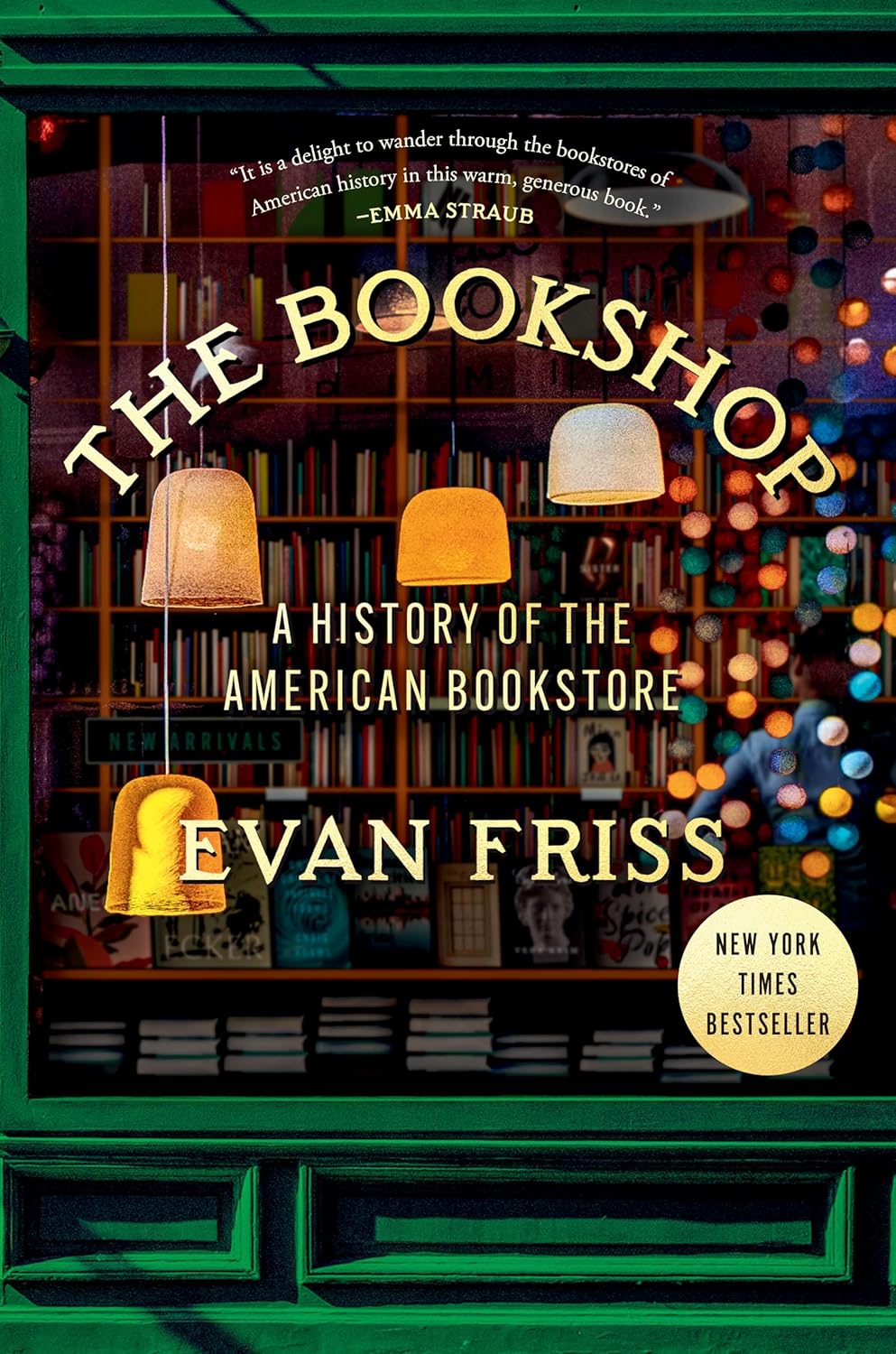
By: Evan Friss (Author), 2024, Hardcover
A NEW YORK TIMES BESTSELLER
Goodreads Choice Award Winner in History & Biography
One of Time’s 100 Must-Read Books of 2024
"A spirited defense of this important, odd and odds-defying American retail category." —The New York Times
"It is a delight to wander through the bookstores of American history in this warm, generous book." —Emma Straub, New York Times bestselling author and owner of Books Are Magic
An affectionate and engaging history of the American bookstore and its central place in American cultural life, from department stores to indies, from highbrow dealers trading in first editions to sidewalk vendors, and from chains to special-interest community destinations
Bookstores have always been unlike any other kind of store, shaping readers and writers, and influencing our tastes, thoughts, and politics. They nurture local communities while creating new ones of their own. Bookshops are powerful spaces, but they are also endangered ones. In The Bookshop,we see the stakes: what has been, and what might be lost.
Evan Friss’s history of the bookshop draws on oral histories, archival collections, municipal records, diaries, letters, and interviews with leading booksellers to offer a fascinating look at this institution beloved by so many. The story begins with Benjamin Franklin’s first bookstore in Philadelphia and takes us to a range of booksellers including the Strand, Chicago’s Marshall Field & Company, the Gotham Book Mart, specialty stores like Oscar Wilde and Drum and Spear, sidewalk sellers of used books, Barnes & Noble, Amazon Books, and Parnassus. The Bookshop is also a history of the leading figures in American bookselling, often impassioned eccentrics, and a history of how books have been marketed and sold over the course of more than two centuries—including, for example, a 3,000-pound elephant who signed books at Marshall Field’s in 1944.
The Bookshop is a love letter to bookstores, a charming chronicle for anyone who cherishes these sanctuaries of literature, and essential reading to understand how these vital institutions have shaped American life—and why we still need them.

Love is more complicated than “boy meets boy” in bestselling author Adib Khorram’s sharply funny new romantic comedy, set in the sordid world of high school theater
Jackson Ghasnavi is a lot of things—a techie, a smoothie afficionado, a totally not obsessive list-maker—but one thing he’s not is a romantic. And why would he be? He’s already had a front row seat to his parents’ divorce and picked up the pieces of his sister Jasmine’s broken heart one too many times.
No, Jackson is perfectly happy living life behind the scenes—he is a stage manager, after all—and keeping his romantic exploits limited to the breakup lists he makes for Jasmine, which chronicle every flaw (real or imagined) of her various and sundry exes.
Enter Liam: the senior swim captain turned leading man that neither of the Ghasnavi siblings stop thinking about. Not that Jackson has a crush, of course. Jasmine is already setting her sights on him and he’s probably—no, definitely—straight anyway.
So why does the idea of eventually writing a breakup list for him feel so impossible?

The Vector City Supers trilogy concludes with Sadie and Joan’s relationship being tested like never before.
Being a hero can sometimes really blow.
Sadie Eagan has everything she’s always wanted: a stable relationship with her superpowered girlfriend, her dream café, great friends. She also has self-doubt about running her own business and wonders when she’ll stop faking it ’til she makes it. And what’s with the odd distance between her and Joan?
Joan Malone knew there would be growing pains now that she’s one of Vector City’s Superheroes. All the grunt work she has to do as Spark is much more stressful than her days in villainy (so many SuperWatch claims). Conflicting schedules means less time and snuggles with Sadie. Plus her twin brother’s acting weird, her old friends are hiding things, and she feels like she’s losing control.
A group of norms who want to restrict the use of superpowers tries to gain access to power-suppressing technology. They’re also getting more vocal in their disdain and demands. Sadie wants to support Joan and the Supers but struggles with how to go about it. Joan’s trying not to be framed or blamed for her past. It doesn’t help that a Hero from another city has gone rogue to save the world by any means necessary.
Sadie’s learning how to own her power while Joan can’t quite embrace change. Their future is hindered by the threat of external forces and, okay, how hard it is to open up about feelings. They’ll have to fight side by side for themselves and each other to keep their love blazing bright.


From the author of The Lesbiana's Guide to Catholic School, two best bros fake an engagement–but will their friendship survive?
It’s about time roommates Alejandro and Kenny get married. Or at least, that’s what all their close friends and family think when they announce their engagement. The kicker? The two are faking their whole relationship so Alejandro can get a green card. But if Han was going to marry anyone, it would be his ride or die since second grade.
Han has never been able to put down roots, and the only one who truly breaks through his walls is Kenny. Sweet, sensitive Kenny is newly single, and what better distraction from his soul-sucking relationship than proposing marriage to Han? Kenny can’t think of anything more fun than spending his life with his best friend, even if it’s just for a piece of paper. But as Kenny keeps up the charade, he’s soon struggling to resist their sizzling chemistry.
The line between fact and fiction begins to blur the closer they get to their wedding date. With all eyes on Han and Kenny—including a meddling ex and immigration officers—will these two bros make it down the altar for real?


By Stephen Graham Jones: Hardcover; 448 pages / English
[Saga Press] Selected as One of The New York Times’s 100 Notable Books of 2025 A Barack Obama Summer Read A Time, The Washington Post, NPR, Shelf Awareness, Toronto Star, and Publishers Weekly Best of the Year Kirkus Reviews Best Historical Fiction The New York Times bestseller and “horror masterpiece” (NPR) from Stephen Graham Jones—the master of modern horror—is a chilling historical horror novel tracing the life of a vampire who haunts the fields of the Blackfeet reservation looking for justice. “Jones has written his Interview with the Indigenous Vampire. A landmark of horror and historical fiction alike, perhaps the closest thing we have to horror’s Moby-Dick.” —Vulture “Inventive and spine-tingling…a master class in voice. Queasy, uneasy, The Buffalo Hunter Hunter plays with the interplay between religion and historical guilt, identity and appetite.” —The Washington Post A diary, written in 1912 by a Lutheran pastor is discovered within a wall.
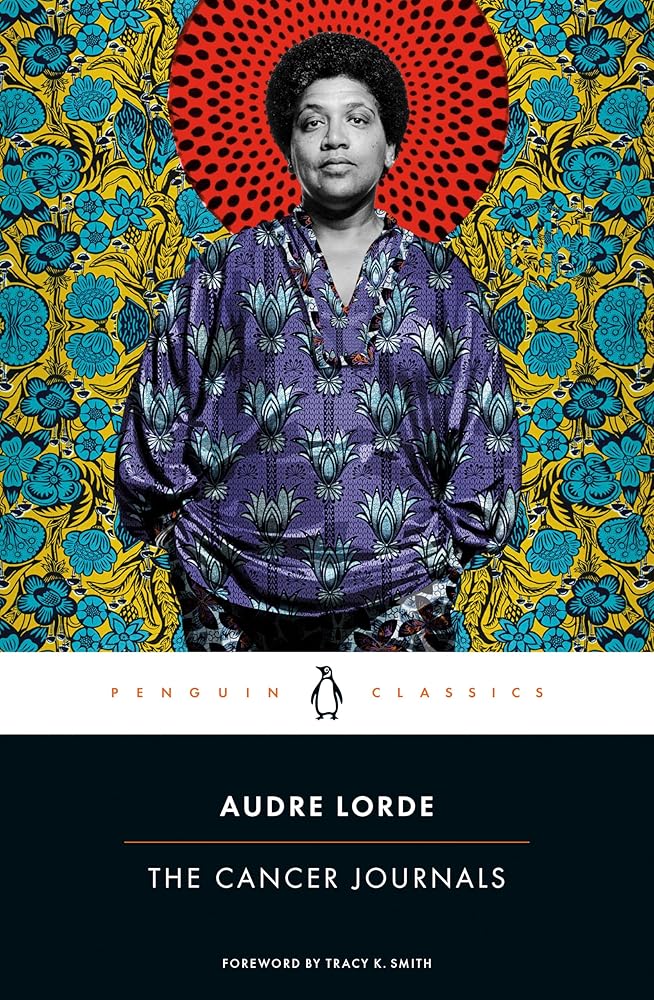
Moving between journal entry, memoir, and exposition, Audre Lorde fuses the personal and political as she reflects on her experience coping with breast cancer and a radical mastectomy.
A Penguin Classic
First published over forty years ago, The Cancer Journals is a startling, powerful account of Audre Lorde's experience with breast cancer and mastectomy. Long before narratives explored the silences around illness and women's pain, Lorde questioned the rules of conformity for women's body images and supported the need to confront physical loss not hidden by prosthesis. Living as a "black, lesbian, mother, warrior, poet," Lorde heals and re-envisions herself on her own terms and offers her voice, grief, resistance, and courage to those dealing with their own diagnosis. Poetic and profoundly feminist, Lorde's testament gives visibility and strength to women with cancer to define themselves, and to transform their silence into language and action.
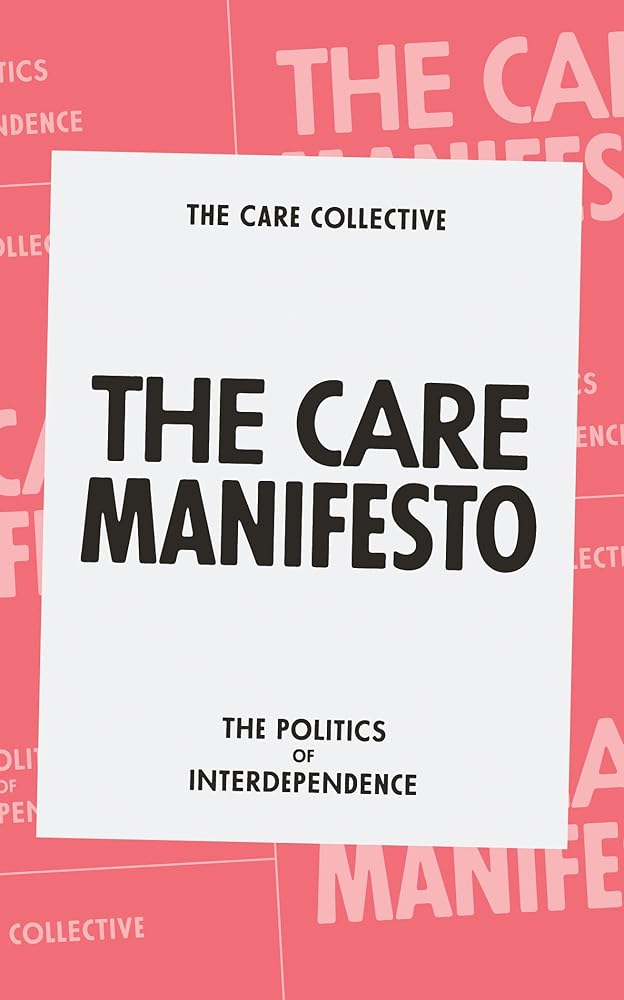
We are in the midst of a global crisis of care. How do we get out of it?
The Care Manifesto puts care at the heart of the debates of our current crisis: from intimate care--childcare, healthcare, elder care--to care for the natural world. We live in a world where carelessness reigns, but it does not have to be this way.
The Care Manifesto puts forth a vision for a truly caring world. The authors want to reimagine the role of care in our everyday lives, making it the organising principle in every dimension and at every scale of life. We are all dependent on each other, and only by nurturing these interdependencies can we cultivate a world in which each and every one of us can not only live but thrive.
The Care Manifesto demands that we must put care at the heart of the state and the economy. A caring government must promote collective joy, not the satisfaction of individual desire. This means the transformation of how we organise work through co-operatives, localism and nationalisation. It proposes the expansion of our understanding of kinship for a more 'promiscuous care'. It calls for caring places through the reclamation of public space, to make a more convivial city. It sets out an agenda for the environment, most urgent of all, putting care at the centre of our relationship to the natural world.


By: Alison Cochrun (Author), 2021, Paperback
A MOST ANTICIPATED ROM-COM SELECTED BY * BUZZFEED * LGBTQ READS * BUSTLE * THE NERD DAILY * ENTERTAINMENT TONIGHT * FROLIC MEDIA * AND MORE!
A BEST BOOK PICK BY * HARPER’S BAZAAR * ENTERTAINMENT WEEKLY
“The Charm Offensive will sweep you off your feet.” —PopSugar
In this witty and heartwarming romantic comedy—reminiscent of Red, White & Royal Blue and One to Watch—an awkward tech wunderkind on a reality dating show goes off-script when sparks fly with his producer.
Dev Deshpande has always believed in fairy tales. So it’s no wonder then that he’s spent his career crafting them on the long-running reality dating show Ever After. As the most successful producer in the franchise’s history, Dev always scripts the perfect love story for his contestants, even as his own love life crashes and burns. But then the show casts disgraced tech wunderkind Charlie Winshaw as its star.
Charlie is far from the romantic Prince Charming Ever After expects. He doesn’t believe in true love, and only agreed to the show as a last-ditch effort to rehabilitate his image. In front of the cameras, he’s a stiff, anxious mess with no idea how to date twenty women on national television. Behind the scenes, he’s cold, awkward, and emotionally closed-off.
As Dev fights to get Charlie to connect with the contestants on a whirlwind, worldwide tour, they begin to open up to each other, and Charlie realizes he has better chemistry with Dev than with any of his female co-stars. But even reality TV has a script, and in order to find to happily ever after, they’ll have to reconsider whose love story gets told.

This is not your mother's memoir. In The Chronology of Water, Lidia Yuknavitch
expertly moves the reader through issues of gender, sexuality, violence, and the
family from the point of view of a lifelong swimmer turned artist. In writing
that explores the nature of memoir itself, her story traces the effect of
extreme grief on a young woman's developing sexuality that some define as
untraditional because of her attraction to both men and women. Her emergence as
a writer evolves at the same time and takes the narrator on a journey of
addiction, self-destruction, and ultimately survival that finally comes in the
shape of love and motherhood.
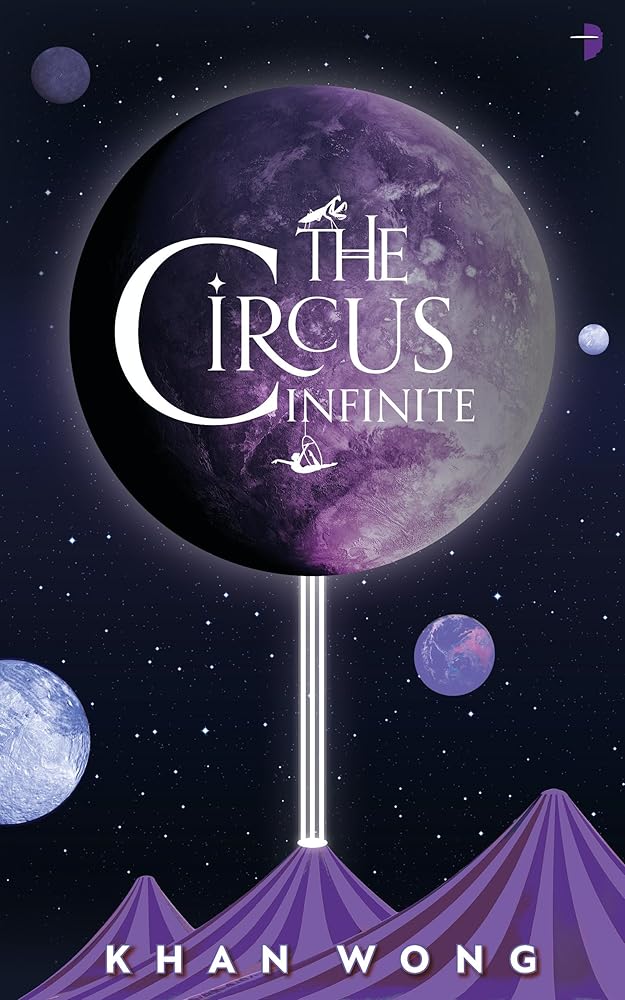
**FINALIST for the Lambda LGBTQ+ Speculative Fiction Award 2023**
A circus takes down a crime-boss on the galaxy’s infamous pleasure moon.
Hunted by those who want to study his gravity powers, Jes makes his way to the best place for a mixed-species fugitive to blend in: the pleasure moon where everyone just wants to be lost in the party. It doesn’t take long for him to catch the attention of the crime boss who owns the resort-casino where he lands a circus job, and when the boss gets wind of the bounty on Jes’ head, he makes an offer: do anything and everything asked of him or face vivisection.
With no other options, Jes fulfills the requests: espionage, torture, demolition. But when the boss sets the circus up to take the fall for his about-to-get-busted narcotics operation, Jes and his friends decide to bring the mobster down. And if Jes can also avoid going back to being the prize subject of a scientist who can’t wait to dissect him? Even better.
File Under: Science Fiction [ Misfit Fits In | Crime Never Pays | Loop The Loops | Balancing Act ]

A collection of poetry that delves into the mind of someone who has survived domestic violence: how they felt during and how they moved forward afterwards in their life and current relationships.

A complete collection―over 300 poems―from one of this country's most influential poets.
"These are poems which blaze and pulse on the page."―Adrienne Rich "The first declaration of a black, lesbian feminist identity took place in these poems, and set the terms―beautifully, forcefully―for contemporary multicultural and pluralist debate."―Publishers Weekly "This is an amazing collection of poetry by . . . one of our best contemporary poets. . . . Her poems are powerful, often political, always lyrical and profoundly moving."―Chuckanut Reader Magazine "What a deep pleasure to encounter Audre Lorde's most potent genius . . . you will welcome the sheer accessibility and the force and beauty of this volume."―Out Magazine
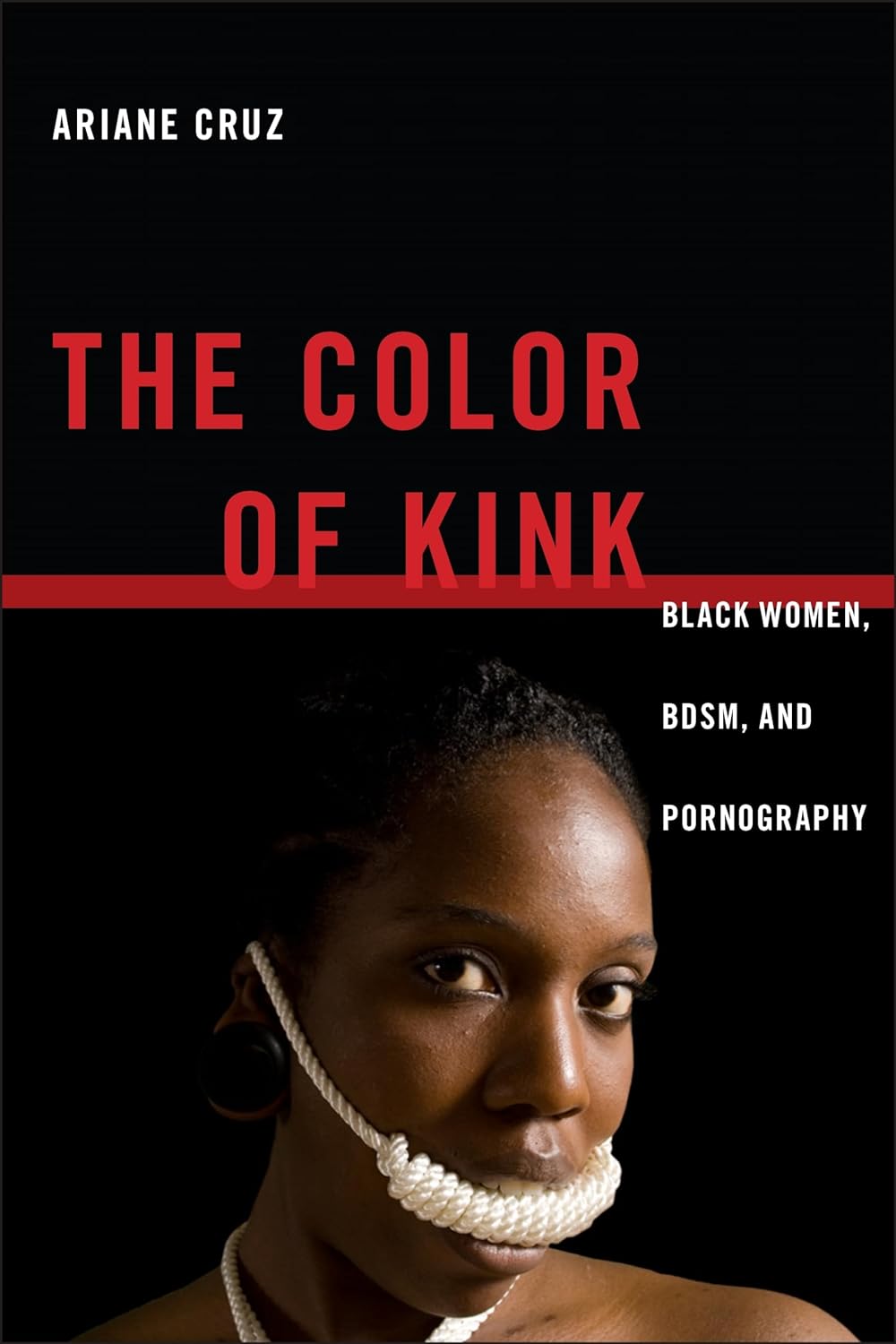
Winner of the MLA's 2016 Alan Bray Prize for Best Book in GLBTQ Studies
How BDSM can be used as a metaphor for black female sexuality. The Color of Kink explores black women's representations and performances within American pornography and BDSM (bondage and discipline, domination and submission, and sadism and masochism) from the 1930s to the present, revealing the ways in which they illustrate a complex and contradictory negotiation of pain, pleasure, and power for black women.
Based on personal interviews conducted with pornography performers, producers, and professional dominatrices, visual and textual analysis, and extensive archival research, Ariane Cruz reveals BDSM and pornography as critical sites from which to rethink the formative links between Black female sexuality and violence. She explores how violence becomes not just a vehicle of pleasure but also a mode of accessing and contesting power. Drawing on feminist and queer theory, critical race theory, and media studies, Cruz argues that BDSM is a productive space from which to consider the complexity and diverseness of black women's sexual practice and the mutability of black female sexuality. Illuminating the cross-pollination of black sexuality and BDSM, The Color of Kink makes a unique contribution to the growing scholarship on racialized sexuality.
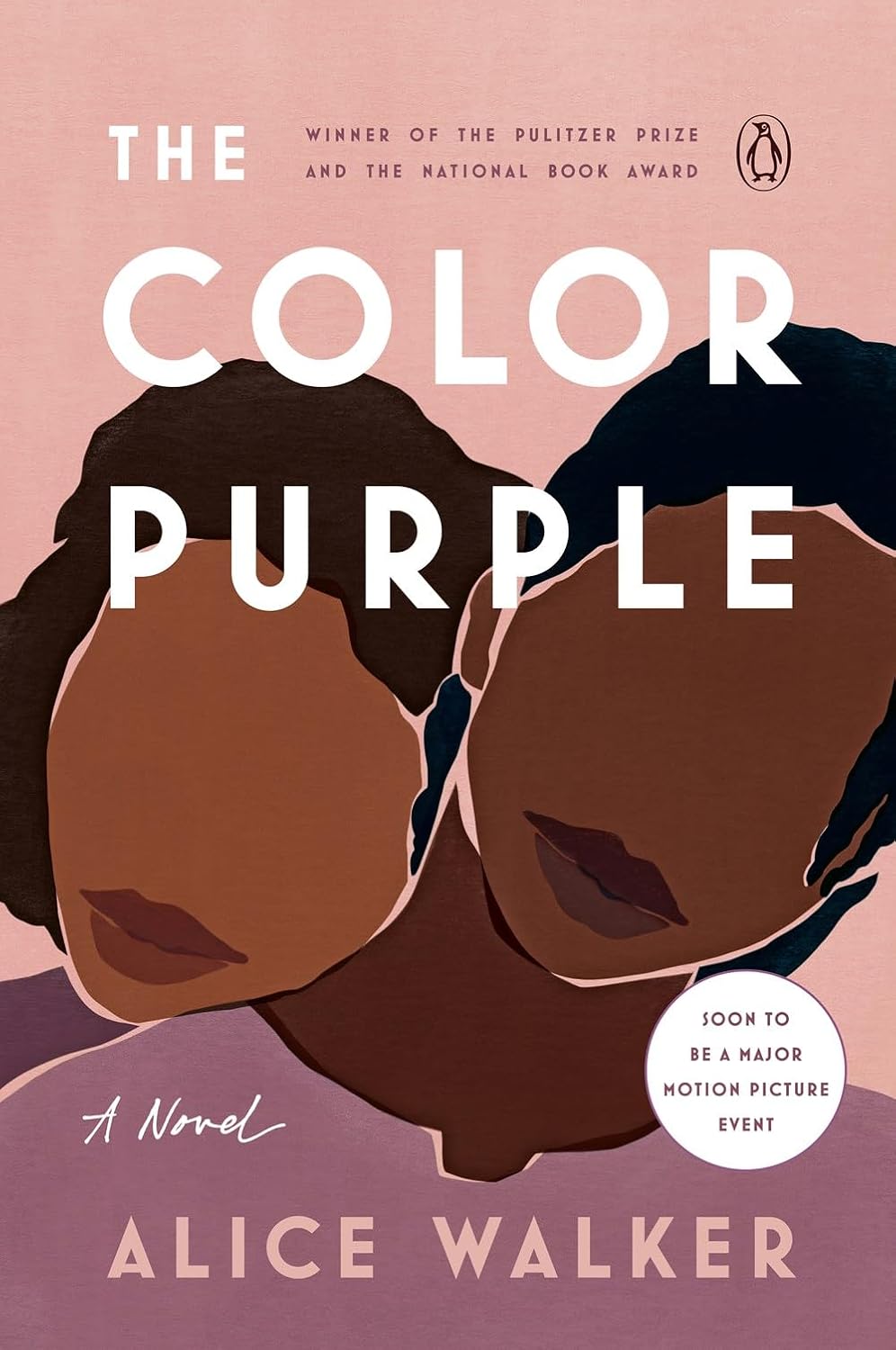
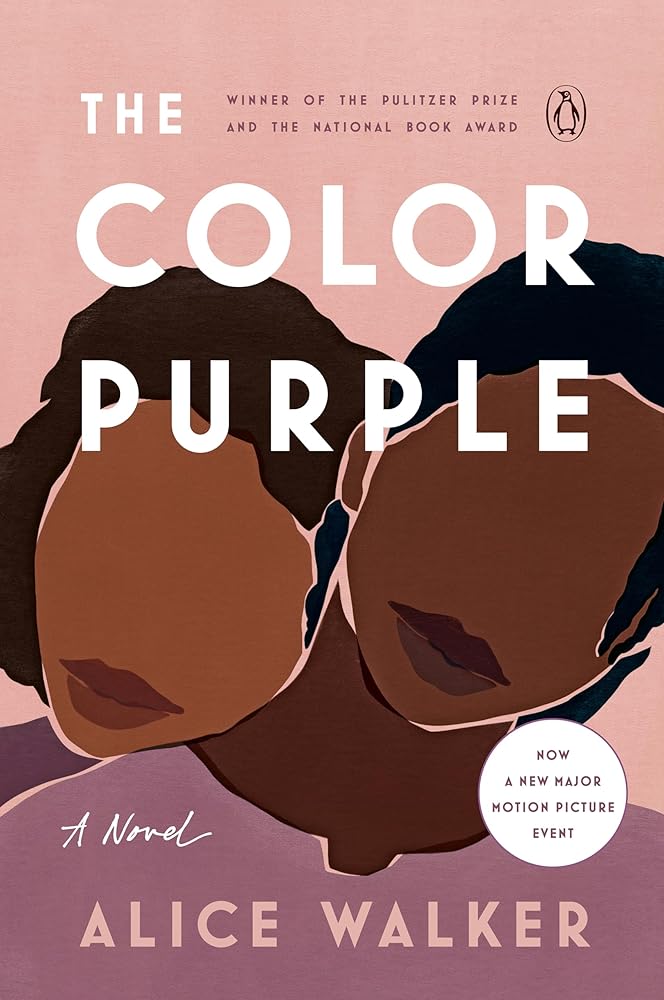
Read the original inspiration for the new, boldly reimagined film from producers Oprah Winfrey and Steven Spielberg, starring Taraji P. Henson, Danielle Brooks, and Fantasia Barrino.
Celebrating its fortieth anniversary, The Color Purple writes a message of healing, forgiveness, self-discovery, and sisterhood to a new generation of readers. An inspiration to authors who continue to give voice to the multidimensionality of Black women’s stories, including Tayari Jones, Honorée Fanonne Jeffers, Jesmyn Ward, and more, The Color Purple remains an essential read in conversation with storytellers today.
Winner of the Pulitzer Prize and the National Book Award
A powerful cultural touchstone of modern American literature, The Color Purple depicts the lives of African American women in early-twentieth-century rural Georgia. Separated as girls, sisters Celie and Nettie sustain their loyalty to and hope in each other across time, distance, and silence. Through a series of letters spanning nearly thirty years, first from Celie to God, then from the sisters to each other, the novel draws readers into a rich and memorable portrayal of Black women—their pain and struggle, companionship and growth, resilience and bravery.
Deeply compassionate and beautifully imagined, The Color Purple breaks the silence around domestic and sexual abuse, and carries readers on an epic and spirit-affirming journey toward transformation, redemption, and love.
“Reading The Color Purple was the first time I had seen Southern, Black women’s literature as world literature. In writing us into the world—bravely, unapologetically, and honestly—Alice Walker has given us a gift we will never be able to repay.” —Tayari Jones
“The Color Purple was what church should have been, what honest familial reckoning could have been, and it is still the only art object in the world by which all three generations of Black artists in my family judge American art.” —Kiese Laymon