Sort by:
2045 products
2045 products

5,000,000 COPIES SOLD WORLDWIDE • TRANSLATED IN MORE THAN 35 LANGUAGES
What is Violent Communication?
If “violent” means acting in ways that result in hurt or harm, then much of how we communicate—judging others, bullying, having racial bias, blaming, finger pointing, discriminating, speaking without listening, criticizing others or ourselves, name-calling, reacting when angry, using political rhetoric, being defensive or judging who’s “good/bad” or what’s “right/wrong” with people—could indeed be called “violent communication.”
What is Nonviolent Communication?
Nonviolent Communication is the integration of four things:
• Consciousness: a set of principles that support living a life of compassion, collaboration, courage, and authenticity
• Language: understanding how words contribute to connection or distance
• Communication: knowing how to ask for what we want, how to hear others even in disagreement, and how to move toward solutions that work for all
• Means of influence: sharing “power with others” rather than using “power over others”
Nonviolent Communication serves our desire to do three things:
• Increase our ability to live with choice, meaning, and connection
• Connect empathically with self and others to have more satisfying relationships
• Sharing of resources so everyone is able to benefit

Show your pride with these vinyl stickers designed by one of our staff members!
Approximately 3" across, suitable for indoor or outdoor use. Printed in the USA by Sticker Blitz.

Bella Sanchez has a good job and a good life with her partner, Robin, and their dog, Rusty, in Colorado. But one random act of kindness threatens to take that all away. After a chance meeting, an obsessive stranger’s plot to make Bella her own leaves the couple—and their LGBTQ community—reeling.
Enter Sandy LePersiller, the handsome lesbian detective who’s known for always catching the bad guy. Will her luck run out this time, or can she unravel the mystery and save Bella before it’s too late?
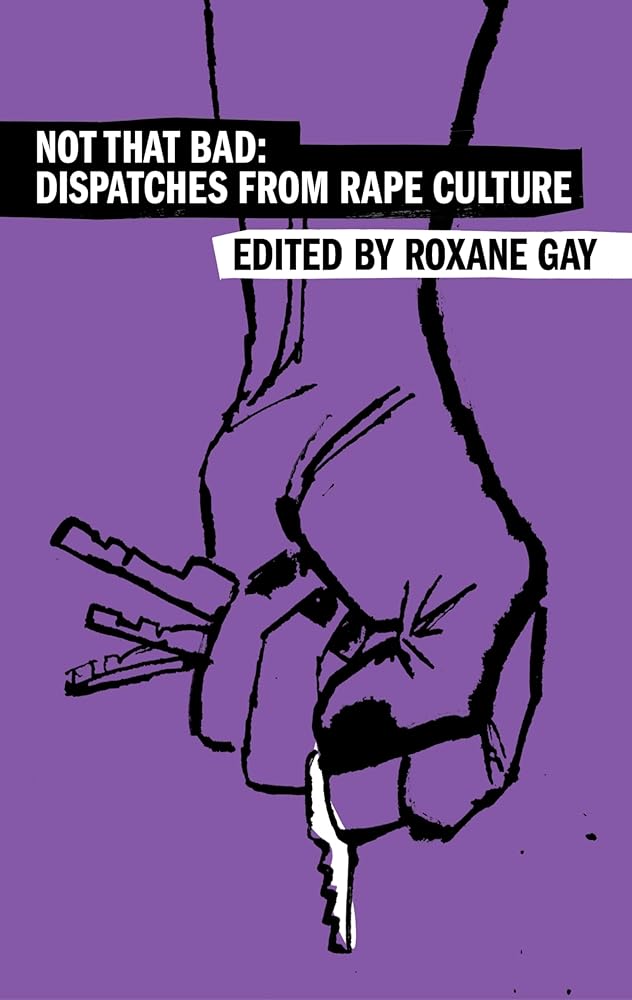
New York Times Bestseller
“This is a devastating book, heartbreaking in how familiar and relatable each story is—yet there’s power and solidarity in it, too.”—Shondaland
Edited and with an introduction by Roxane Gay, the New York Times bestselling and deeply beloved author of Bad Feminist and Hunger, an anthology of powerful first-person essays from writers including Gabrielle Union, Brandon Taylor, and Lyz Lenz fearlessly that unapologetically tackles sensitive topics of rape, assault, and harassment—now available as a special Harper Perennial Olive Edition.
In this valuable and revealing anthology, cultural critic and bestselling author Roxane Gay collects original and previously published pieces that address what it means to live in a world where women have to measure the harassment, violence, and aggression they face, and where they are “routinely second-guessed, blown off, discredited, denigrated, besmirched, belittled, patronized, mocked, shamed, gaslit, insulted, bullied” for speaking out. Contributions include essays from established and up-and-coming writers, performers, and critics, including actor Ally Sheedy and writers Amy Jo Burns, Booker Prize-nominated Brandon Taylor, and Lyz Lenz.
Covering a wide range of topics and experiences, from an exploration of the rape epidemic embedded in the refugee crisis to first-person accounts of child molestation, this collection is often deeply personal and is always unflinchingly honest. Like Rebecca Solnit’s Men Explain Things to Me, Not That Bad will resonate with every reader, saying “something in totality that we cannot say alone.”
Harper Perennial Olive Editions are exclusive small-format editions of some of our bestselling and celebrated titles, and feature unique hand-drawn cover illustrations. All Olive Editions are available for a limited time only.
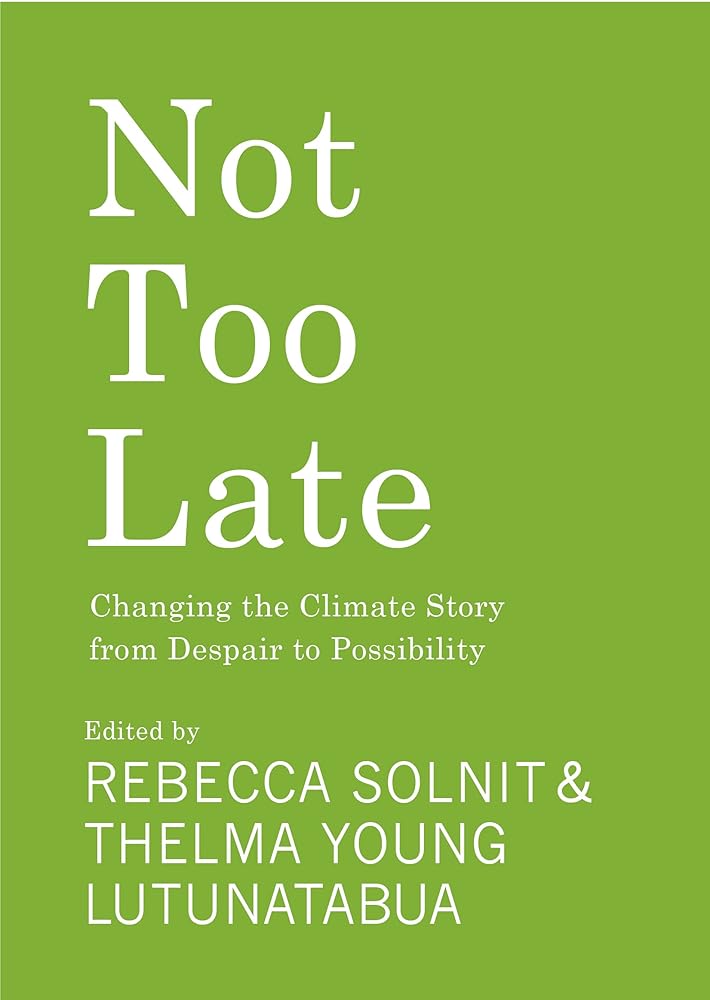
An energizing case for hope about the climate, from Rebecca Solnit (“the voice of the resistance”—New York Times), climate activist Thelma Young Lutunatabua, and a chorus of voices calling on us to rise to the moment.
Not Too Late is the book for anyone who is despondent, defeatist, or unsure about climate change and seeking answers. As the contributors to this volume make clear, the future will be decided by whether we act in the present—and we must act to counter institutional inertia, fossil fuel interests, and political obduracy.
These dispatches from the climate movement around the world feature the voices of organizers like Guam-based lawyer and writer Julian Aguon; climate scientists like Dr. Jacquelyn Gill and Dr. Edward Carr; poets like Marshall Islands activist Kathy Jetnil-Kijner; and longtime organizers like The Tyranny of Oil author Antonia Juhasz. Guided by Rebecca Solnit’s typical clear-eyed wisdom and enriched by photographs and quotes, Not Too Late leads readers from discouragement to possibilities, from climate despair to climate hope.


Designed for those moments when creativity sparks, this notepad ensures those awesome highdeas are captured in all their glory. Keep it at the ready for those times when the weed-fueled inspiration hits, and share the love with fellow stoners and cannabis enthusiasts. Reads: Freshly Baked Ideas This notepad is perfect for jotting down those “mental” notes, to-do lists, and love letters to yourself.
- Size: 5” x 7”
- 50 tear-off sheets
- Heavy brown chipboard backing
- Designed and printed in the U.S.
- Ships in clear cello bag
© 2023 SHEWOLF
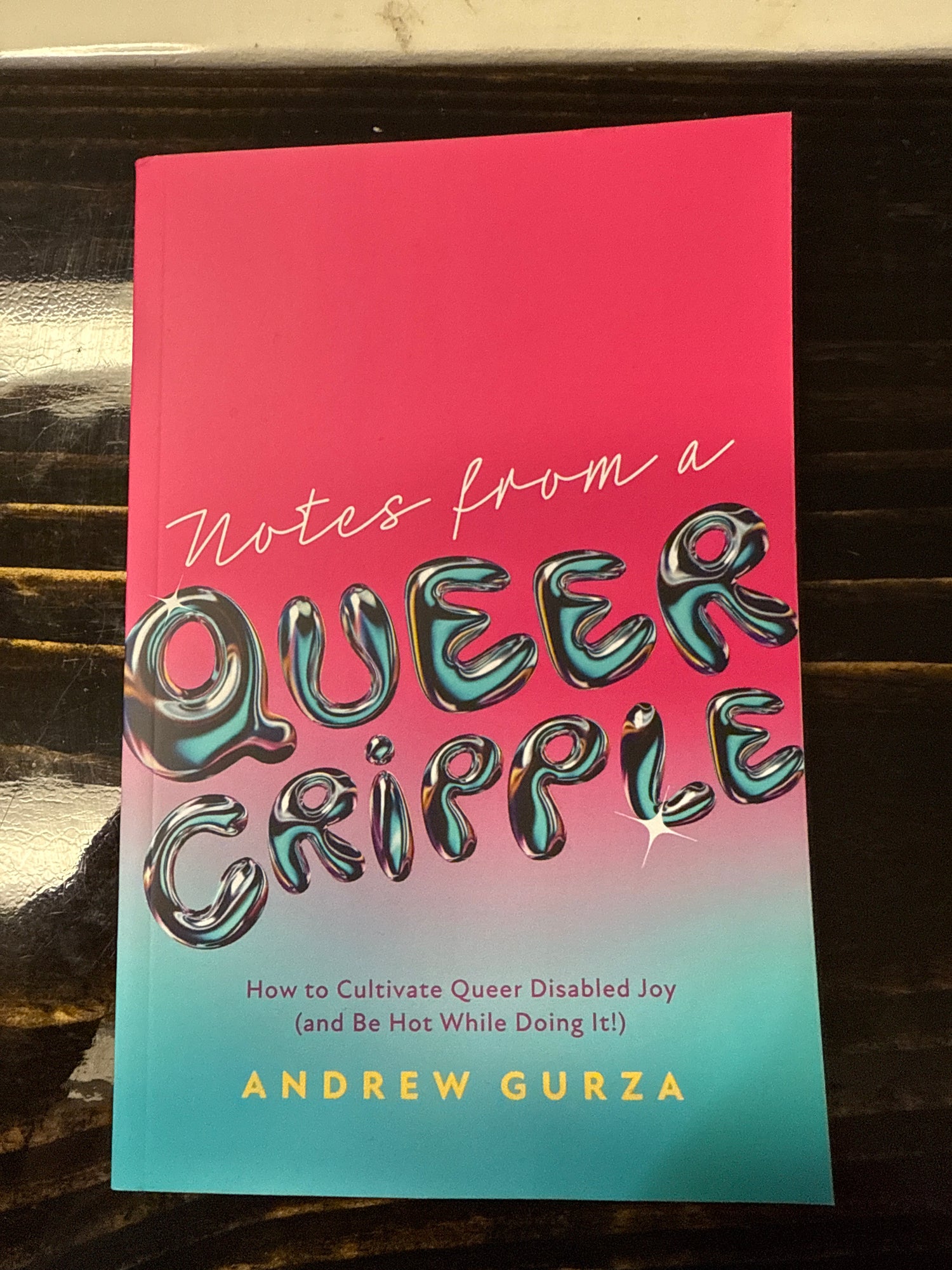
How can I enjoy my hot disabled body whilst dealing with internalised ableism?
How can I best navigate my sex life with mobility issues or a carer?
Why are queer spaces so inaccessible - and what can I do about it?
Andrew Gurza is seriously hot. He's also seriously disabled. Having spent a lifetime navigating the bars, clubs and apps of the queer scene, he's learned a thing or two about sparking queer crip joy amidst the hellscape of ableism, microaggressions and 'pity sex'.
With advice on everything from sexual autonomy and self-pleasure to date-prep and disability disclosure - this is both a self-care bible and an urgent call for the queer community to do better.
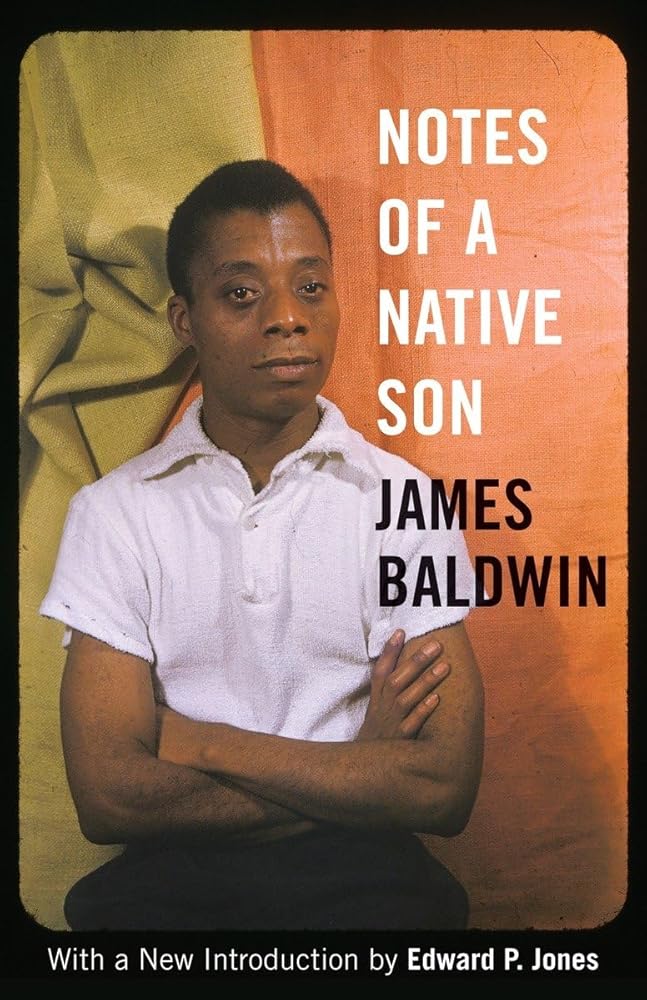
#26 on The Guardian's list of 100 best nonfiction books of all time, the essays explore what it means to be Black in America
In an age of Black Lives Matter, James Baldwin's essays on life in Harlem, the protest novel, movies, and African Americans abroad are as powerful today as when they were first written. With films like I Am Not Your Negro and the forthcoming If Beale Street Could Talk bringing renewed interest to Baldwin's life and work, Notes of a Native Son serves as a valuable introduction.
Written during the 1940s and early 1950s, when Baldwin was only in his twenties, the essays collected in Notes of a Native Son capture a view of black life and black thought at the dawn of the civil rights movement and as the movement slowly gained strength through the words of one of the most captivating essayists and foremost intellectuals of that era. Writing as an artist, activist, and social critic, Baldwin probes the complex condition of being black in America. With a keen eye, he examines everything from the significance of the protest novel to the motives and circumstances of the many black expatriates of the time, from his home in “The Harlem Ghetto” to a sobering “Journey to Atlanta.”
Notes of a Native Son inaugurated Baldwin as one of the leading interpreters of the dramatic social changes erupting in the United States in the twentieth century, and many of his observations have proven almost prophetic. His criticism on topics such as the paternalism of white progressives or on his own friend Richard Wright’s work is pointed and unabashed. He was also one of the few writing on race at the time who addressed the issue with a powerful mixture of outrage at the gross physical and political violence against black citizens and measured understanding of their oppressors, which helped awaken a white audience to the injustices under their noses. Naturally, this combination of brazen criticism and unconventional empathy for white readers won Baldwin as much condemnation as praise.
Notes is the book that established Baldwin’s voice as a social critic, and it remains one of his most admired works. The essays collected here create a cohesive sketch of black America and reveal an intimate portrait of Baldwin’s own search for identity as an artist, as a black man, and as an American.

Bestselling author, NYU professor, and cohost of the Pivot podcast, Scott Galloway offers a path forward for men and parents of boys.
Boys and men are in crisis. Rarely has a cohort fallen further and faster than young men living in Western democracies. Boys are less likely to graduate from high school or college than girls. One in seven men reports having no friends, and men account for three of every four deaths of despair in America. Even worse, the lack of attention to these problems has created a void filled by voices espousing misogyny, the demonization of others, and a toxic vision of masculinity. But this is not just a male issue: women and children can’t flourish if men aren’t doing well. As we know from spasms of violence, there is nothing more dangerous than a lonely, broke young man.
Scott Galloway has been sounding the alarm on this issue for years. In Notes on Being a Man, Galloway explores what it means to be a man in modern America. He promotes the importance of healthy masculinity and mental strength. He shares his own story from boyhood to manhood. He explores his parent’s difficult divorce, working through his anger and depression issues, trying to make money, and raising two boys. He shares the sometimes funny, often painful, lessons he learned along the way.
Some of these lessons include:
* Being a good dad means being good to their mother.
* Action absorbs anxiety.
* Find what you’re good at—follow your talent.
* Get out of the house.
* Take risk and be willing to feel like an imposter. This is a key to professional success—and masculinity.
* Acknowledge your blessings—and create opportunities for others. Be of surplus value.
* Be kind. That’s the secret to success in relationships.
With unflinching honesty, Scott Galloway maps out an enriching, inspiring operator’s manual for being a man today.


Author-illustrator Vincent X. Kirsch’s picture book O.K. Is Gay is a bold celebration of being who you are and loving who you love
Olivio Kipling, known to his friends as O.K., has something to say: He loves George, and he can’t wait to share his feelings with his whole community.
O.K. rushes from friend to friend, excited to tell them his big news, but he’s having some trouble. Everyone assumes they know what he’s going to say, and he can’t quite get the words out.
O.K. tries again and again until, with a little help from someone special, he’s finally able to tell everyone what he wanted to say: O.K. is gay, and he and George belong together!
From author-illustrator Vincent X. Kirsch comes a sweet story of queer joy that explores how—even in loving and supportive communities—there is power in being able to name who you are, and in finding others who share your experience.
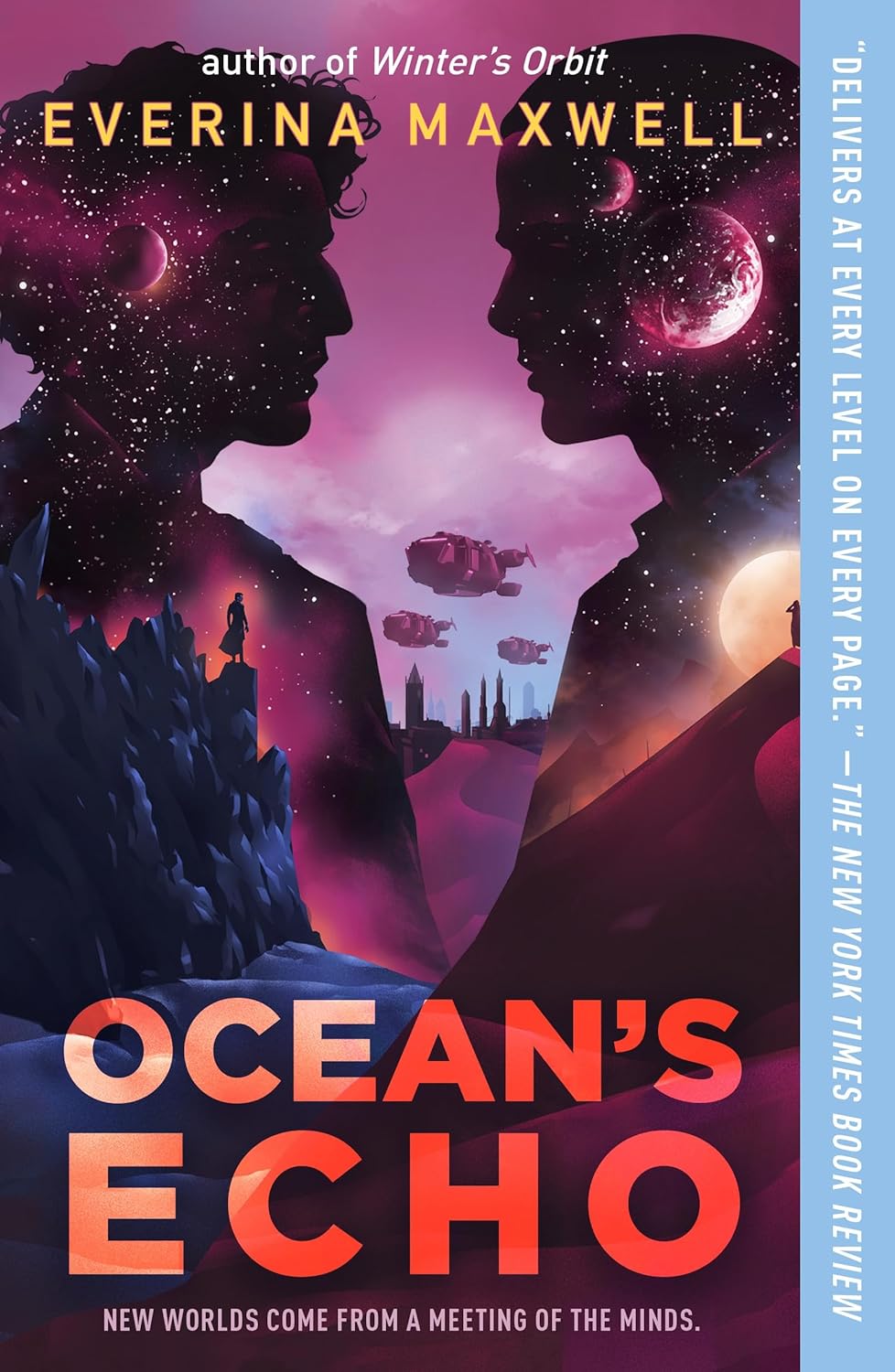
By: Everina Maxell (Author), 2023, Paperback (The Resolution Universe)
Ocean's Echo is a stand-alone space adventure about a bond that will change the fate of worlds, set in the same universe as Everina Maxwell's hit debut, Winter's Orbit.
"I inhaled this one like I needed it to live." ―New York Times Book Review
Rich socialite, inveterate flirt, and walking disaster Tennalhin Halkana can read minds. Tennal, like all neuromodified “readers,” is a security threat on his own. But when controlled, readers are a rare asset. Not only can they read minds, but they can navigate chaotic space, the maelstroms surrounding the gateway to the wider universe.
Conscripted into the military under dubious circumstances, Tennal is placed into the care of Lieutenant Surit Yeni, a duty-bound soldier, principled leader, and the son of a notorious traitor general. Whereas Tennal can read minds, Surit can influence them. Like all other neuromodified “architects,” he can impose his will onto others, and he’s under orders to control Tennal by merging their minds.
Surit accepted a suspicious promotion-track request out of desperation, but he refuses to go through with his illegal orders to sync and control an unconsenting Tennal. So they lie: They fake a sync bond and plan Tennal's escape.
Their best chance arrives with a salvage-retrieval mission into chaotic space―to the very neuromodifcation lab that Surit's traitor mother destroyed twenty years ago. And among the rubble is a treasure both terrible and unimaginably powerful, one that upends a decades-old power struggle, and begins a war.
Tennal and Surit can no longer abandon their unit or their world. The only way to avoid life under full military control is to complete the very sync they've been faking.
Can two unwilling weapons of war bring about peace?