Sort by:
1959 products
1959 products
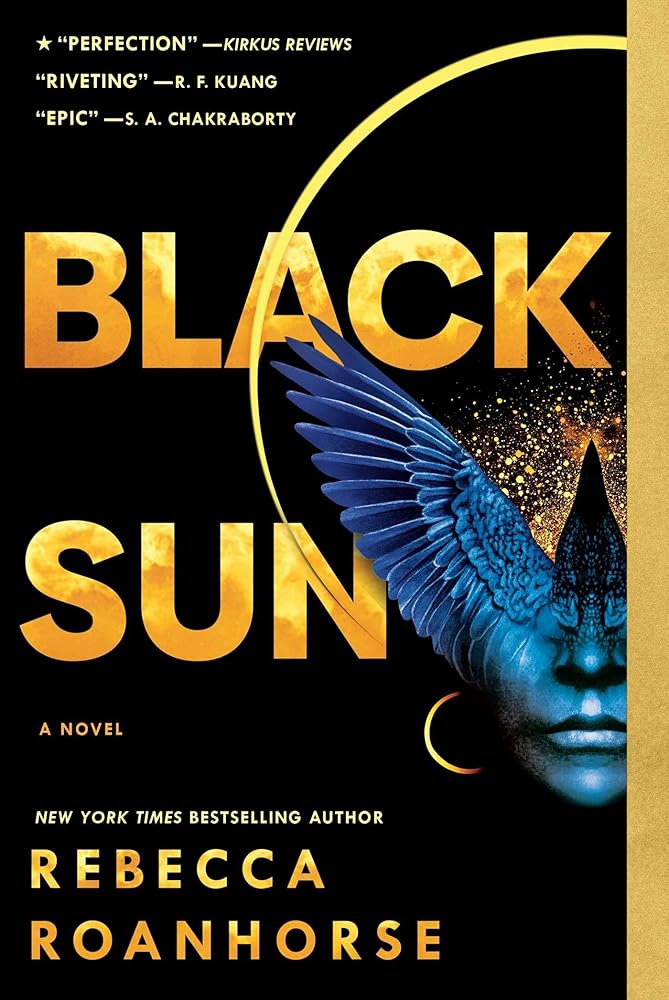
From the New York Times bestselling author of Star Wars: Resistance Reborn comes the “engrossing and vibrant” (Tochi Onyebuchi, author of Riot Baby) first book in the Between Earth and Sky trilogy inspired by the civilizations of the Pre-Columbian Americas and woven into a tale of celestial prophecies, political intrigue, and forbidden magic.
A god will return
When the earth and sky converge
Under the black sun
In the holy city of Tova, the winter solstice is usually a time for celebration and renewal, but this year it coincides with a solar eclipse, a rare celestial even proscribed by the Sun Priest as an unbalancing of the world.
Meanwhile, a ship launches from a distant city bound for Tova and set to arrive on the solstice. The captain of the ship, Xiala, is a disgraced Teek whose song can calm the waters around her as easily as it can warp a man’s mind. Her ship carries one passenger. Described as harmless, the passenger, Serapio is a young man, blind, scarred, and cloaked in destiny. As Xiala well knows, when a man is described as harmless, he usually ends up being a villain.
Crafted with unforgettable characters, Rebecca Roanhorse has created a “brilliant world that shows the full panoply of human grace and depravity” (Ken Liu, award-winning author of The Grace of Kings). This epic adventure explores the decadence of power amidst the weight of history and the struggle of individuals swimming against the confines of society and their broken pasts in this “absolutely tremendous” (S.A. Chakraborty, nationally bestselling author of The City of Brass) and most original series debut of the decade.


Longtime NBC News reporter Char Adams writes a deeply compelling and rigorously reported history of Black political movements told through the lens of Black-owned bookstores, which have been centers for organizing from abolition to the Civil Rights Movement to Black Lives Matter.
In Black-Owned, Char Adams celebrates the living history of Black bookstores. Packed with stories of activism, espionage, violence, community, and perseverance, Black-Owned starts with the first Black-owned bookstore, which an abolitionist opened in New York in 1834, and after the bookshop’s violent demise, Black book-lovers carried on its cause. In the twentieth century, civil rights and Black Power activists started a Black bookstore boom nationwide. Malcolm X gave speeches in front of the National Memorial African Book Store in Harlem—a place dubbed “Speakers’ Corner”—and later, Black bookstores became targets of FBI agents, police, and racist vigilantes. Still, stores continued to fuel Black political movements.
Amid these struggles, bookshops were also places of celebration: Eartha Kitt and Langston Hughes held autograph parties at their local Black-owned bookstores. Maya Angelou became the face of National Black Bookstore Week. And today a new generation of Black activists is joining the radical bookstore tradition, with rapper Noname opening her Radical Hood Library in Los Angeles and several stores making national headlines when they were overwhelmed with demand in the Black Lives Matter era. As Adams makes clear, in an time of increasing repression, Black bookstores are needed now more than ever.
Full of vibrant characters and written with cinematic flair, Black-Owned is an enlightening story of community, resistance, and joy.

Winner of the National Book Award
Winner of the California Book Award
Winner of Tournament of Books
Out in the desert in a place called the Palace, a young man tends to a dying soul, someone he once knew briefly but who has haunted the edges of his life: Juan Gay. Playful raconteur, child lost and found and lost, guardian of the institutionalized, Juan has a project to pass along, one built around a true artifact of a book―Sex Variants: A Study of Homosexual Patterns―and its devastating history. This book contains accounts collected in the early twentieth century from queer subjects by a queer researcher, Jan Gay, whose groundbreaking work was then co-opted by a committee, her name buried. The voices of these subjects have been filtered, muted, but it is possible to hear them from within and beyond the text, which, in Juan’s tattered volumes, has been redacted with black marker on nearly every page. As Juan waits for his end, he and the narrator recount for each other moments of joy and oblivion; they resurrect loves, lives, mothers, fathers, minor heroes. In telling their own stories and the story of the book, they resist the ravages of memory and time. The past is with us, beside us, ahead of us; what are we to create from its gaps and erasures?
A book about storytelling―its legacies, dangers, delights, and potential for change―and a bold exploration of form, art, and love, Justin Torres’s Blackouts uses fiction to see through the inventions of history and narrative. A marvel of creative imagination, it draws on testimony, photographs, illustrations, and a range of influences as it insists that we look long and steadily at what we have inherited and what we have made―a world full of ghostly shadows and flashing moments of truth. A reclamation of ransacked history, a celebration of defiance, and a transformative encounter, Blackouts mines the stories that have been kept from us and brings them into the light.

"Blood Orange" is a highly emotional, important and timely poetry collection by Mx. Yaffa (They/She), a trans Muslim displaced Indigenous Palestinian. Their writings probe the yearning for home, belonging, mental health, queerness, transness, and other dimensions of marginalization while nurturing dreams of utopia against the background of ongoing displacement and genocide of indigenous Palestinians.
The collection came quickly and relentlessly, drawn from the depths of the author's soul during a movement for a free Palestine and aligned with a solar eclipse. It beckons readers to re-evaluate what is perceived as immutable and to imagine pathways toward Utopia.
"Blood Orange"- the title an homage to the Yaffa Oranges (which were appropriated first by the British and subsequently by Israel) refers to the author themselves, their homeland and blood spilled in the name of settler colonialism.
This highly charged and cathartic body of work confronts the anguish and loss inflicted by genocide but also embraces a vision of a world free of it. The poems within "Blood Orange" were a means of working through and processing the grief caused by recent events and serve as an act of protest and defiance against settler colonialism as a whole.


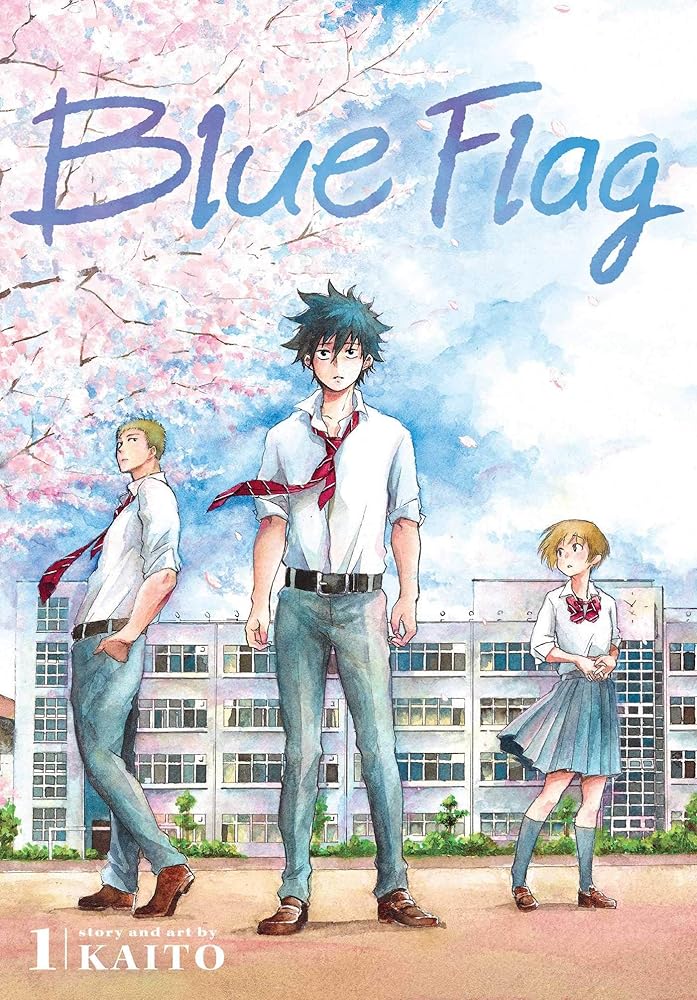
An unexpected love quadrangle with a dash of unrequited love as two classmates, a boy and a girl, begin to fall for each other when each of their best friends have already fallen for them.
Love is already hard enough, but it becomes an unnavigable maze for unassuming high school student Taichi Ichinose and his shy classmate Futaba Kuze when they begin to fall for each other after their same-sex best friends have already fallen for them.
For some reason, Taichi Ichinose just can’t stand Futaba Kuze. But at the start of his third year in high school, he finds himself in the same homeroom as her, along with his childhood friend Toma Mita, a star athlete. But one day, Futaba opens up to Taichi and admits she has a crush on Toma. She then asks for his help in confessing to him! There’s just one problem—Toma seems to already have a secret crush on someone else.

An unexpected love quadrangle with a dash of unrequited love as two classmates, a boy and a girl, begin to fall for each other when each of their best friends have already fallen for them.
Love is already hard enough, but it becomes an unnavigable maze for unassuming high school student Taichi Ichinose and his shy classmate Futaba Kuze when they begin to fall for each other after their same-sex best friends have already fallen for them.
The school sports festival is coming up, and Toma accepts the position of class 3-A’s cheer squad captain on the condition that Futaba and Taichi serve as his vice-captains. Hoping to live up to Toma’s faith in them, Taichi and Futaba diligently practice their squad’s routine. But when the time comes to perform, Futaba hits a wall that threatens her very participation!
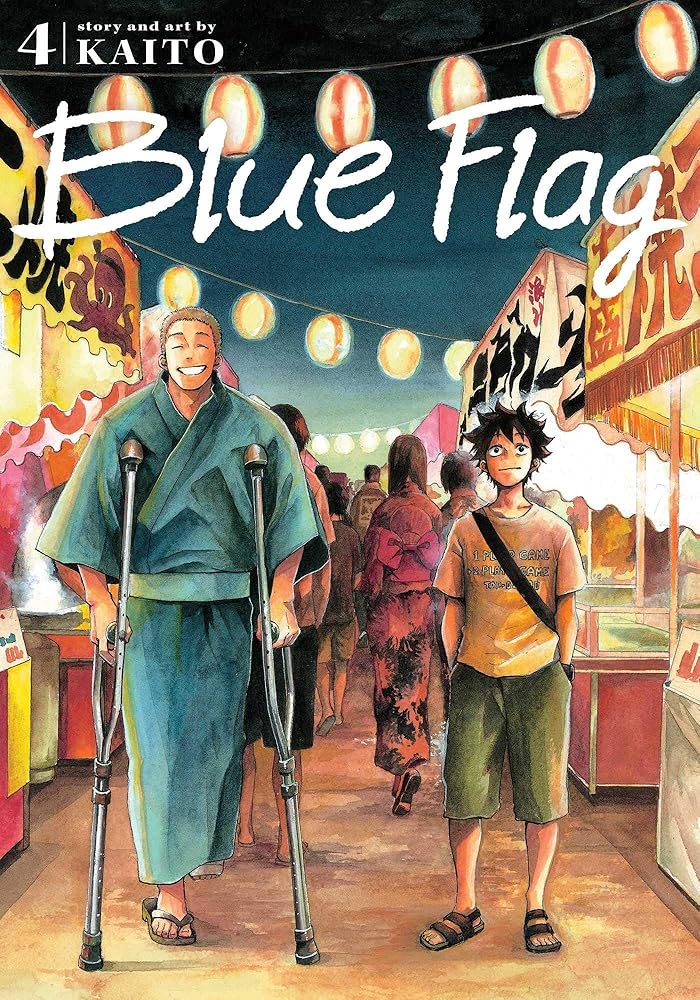
An unexpected love quadrangle with a dash of unrequited love as two classmates, a boy and a girl, begin to fall for each other when each of their best friends have already fallen for them.
Love is already hard enough, but it becomes an unnavigable maze for unassuming high school student Taichi Ichinose and his shy classmate Futaba Kuze when they begin to fall for each other after their same-sex best friends have already fallen for them.
Toma’s older brother, Seiya, asks Taichi to find out why Toma doesn’t want to go to college. On the day of Toma’s release from the hospital, Taichi still hasn’t found a way to broach the subject with Toma. Meanwhile, Futaba discovers Taichi’s birthday is coming up, and she decides to invite the group to a fireworks festival so they can all celebrate.
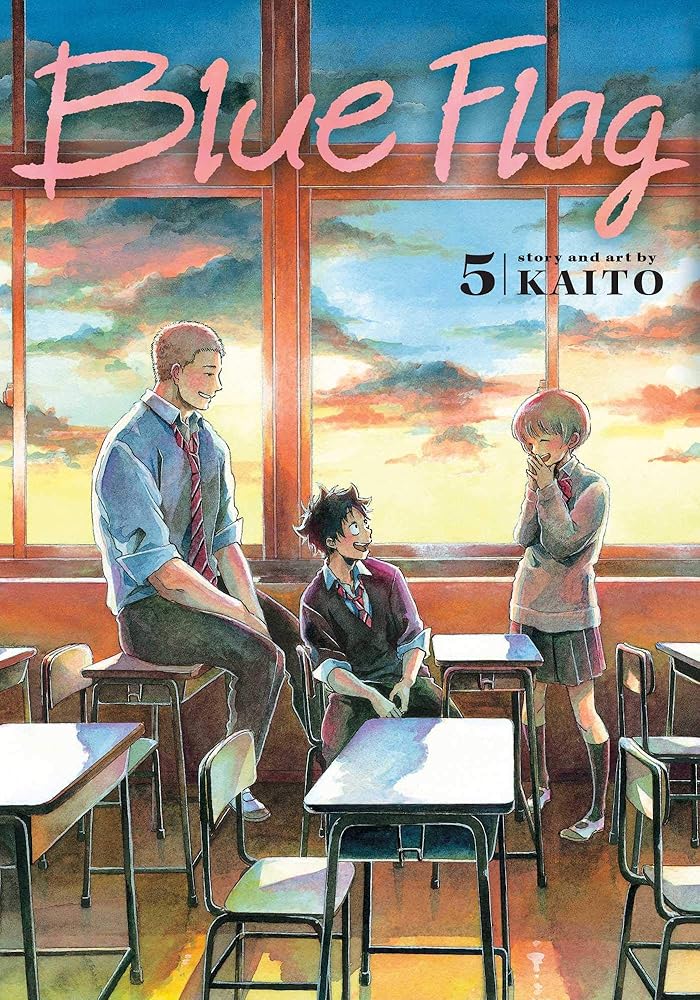
An unexpected love quadrangle with a dash of unrequited love as two classmates, a boy and a girl, begin to fall for each other when each of their best friends have already fallen for them.
Love is already hard enough, but it becomes an unnavigable maze for unassuming high school student Taichi Ichinose and his shy classmate Futaba Kuze when they begin to fall for each other after their same-sex best friends have already fallen for them.
School is back in session after summer break, and Taichi and Futuba are slowly transitioning their relationship from friends to something more. Suddenly, Mami starts being unusually friendly with Taichi, leaving Futuba feeling anxious. Taichi, unsure of Mami’s true intent, can’t help but get dragged along in her wake. Their situation attracts attention, more people become involved and soon everyone is questioning everyone else’s relationships!
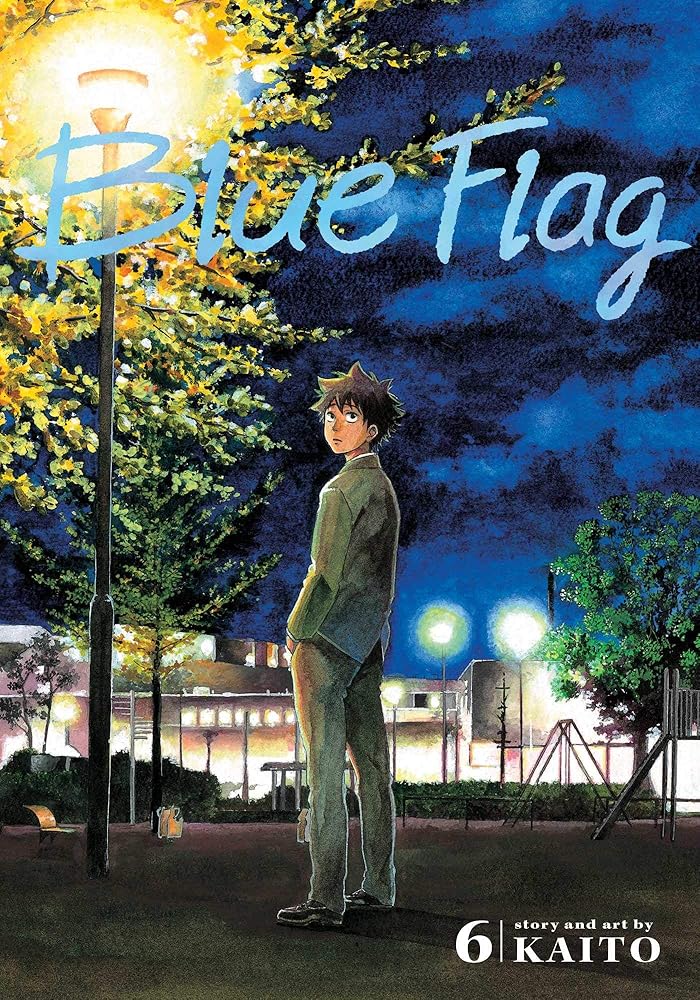
An unexpected love quadrangle with a dash of unrequited love as two classmates, a boy and a girl, begin to fall for each other when each of their best friends have already fallen for them.
Love is already hard enough, but it becomes an unnavigable maze for unassuming high school student Taichi Ichinose and his shy classmate Futaba Kuze when they begin to fall for each other after their same-sex best friends have already fallen for them.
The culture festival begins, and Toma and Taichi talk about their futures, but it ends with the two not quite seeing eye to eye. Shortly after, Toma sits down with Mami for a serious discussion, and in response to her earnest openness, he makes a big decision that could change everything. Time keeps moving forward, pushing everyone to the cusp of making critical life choices.
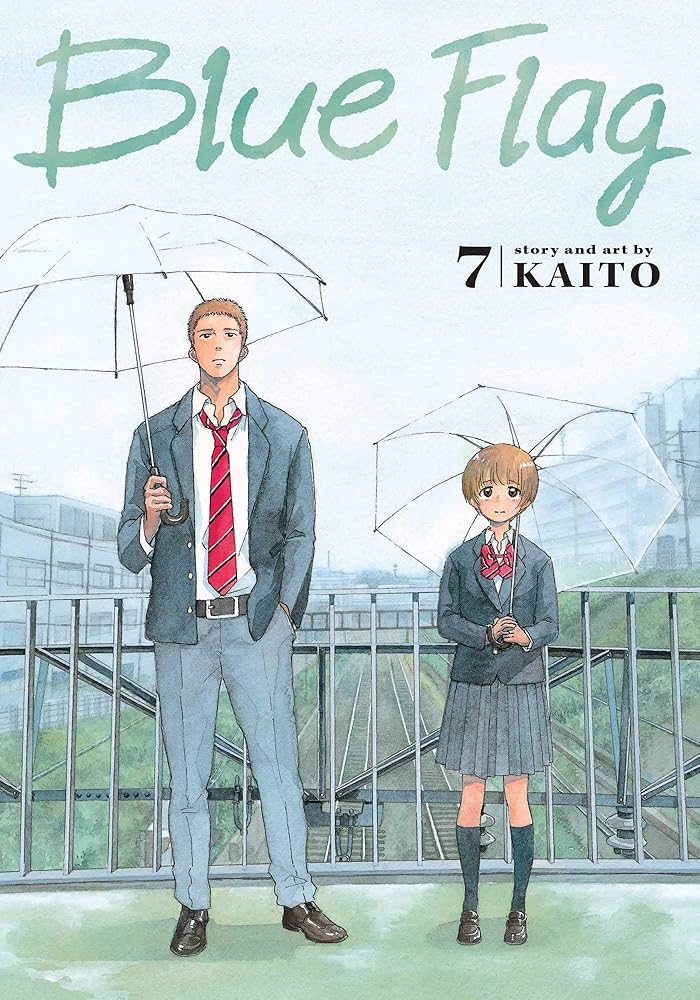
An unexpected love quadrangle with a dash of unrequited love as two classmates, a boy and a girl, begin to fall for each other when each of their best friends have already fallen for them.
Love is already hard enough, but it becomes an unnavigable maze for unassuming high school student Taichi Ichinose and his shy classmate Futaba Kuze when they begin to fall for each other after their same-sex best friends have already fallen for them.
Rumors spread like wildfire after Toma’s shocking confession during the culture festival, and Taichi feels confused and uncertain. The others in their circle are soon affected as well. Meanwhile, Toma’s brother Seiya sits him down for a frank talk. All the thoughts and emotions everyone has kept hidden are finally coming to light, and relationships begin to change.
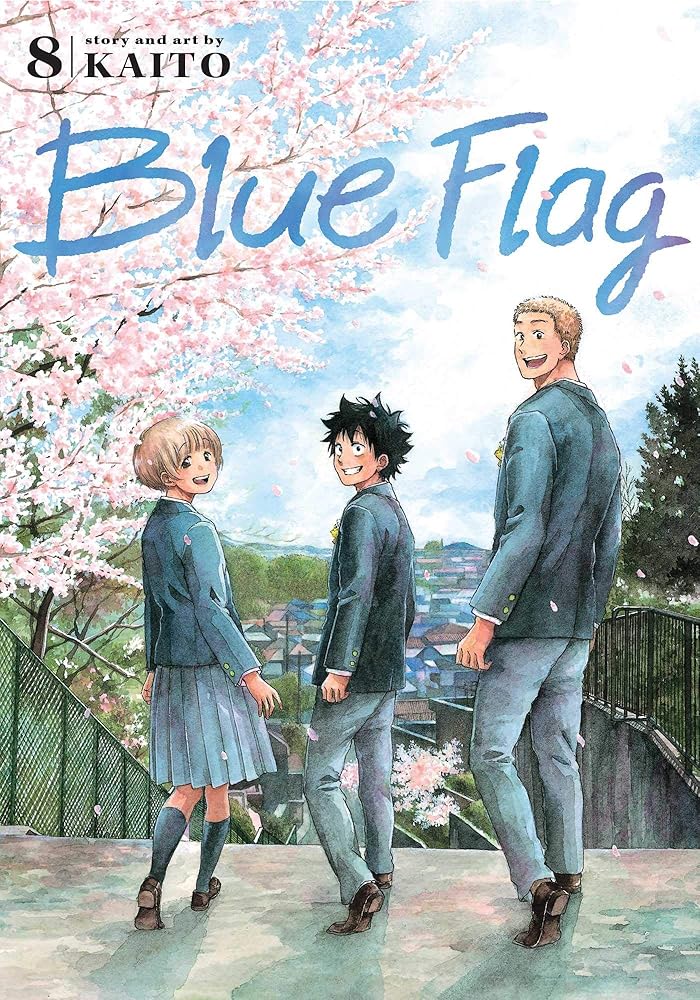
An unexpected love quadrangle with a dash of unrequited love as two classmates, a boy and a girl, begin to fall for each other when each of their best friends have already fallen for them.
Love is already hard enough, but it becomes an unnavigable maze for unassuming high school student Taichi Ichinose and his shy classmate Futaba Kuze when they begin to fall for each other after their same-sex best friends have already fallen for them.
Toma and Futaba have their first sit-down talk after the big fight at school. Meanwhile, Taichi struggles with the problems that have been dumped in his lap by his friend’s choices, and he ends up distancing himself from Toma. Then, one day, Toma stops coming to school. Left in the lurch, what can Futaba and Taichi do? Everyone chooses their futures, and time marches on. Don’t miss the heartfelt conclusion of Blue Flag!

An urgent and accessible handbook for peaceful protesters, activists, and community organizers—anyone trying to defend their rights, hold their government accountable, or change the world
Blueprint for Revolution will teach you how to
• make oppression backfire by playing your opponents’ strongest card against them
• identify the “almighty pillars of power” in order to shift the balance of control
• dream big, but start small: learn how to pick battles you can win
• listen to what people actually care about in order to incorporate their needs into your revolutionary vision
• master the art of compromise to bring together even the most disparate groups
• recognize your allies and view your enemies as potential partners
• use humor to make yourself heard, defuse potentially violent situations, and “laugh your way to victory”
Praise for Blueprint for Revolution
“The title is no exaggeration. Otpor’s methods . . . have been adopted by democracy movements around the world. The Egyptian opposition used them to topple Hosni Mubarak. In Lebanon, the Serbs helped the Cedar Revolution extricate the country from Syrian control. In Maldives, their methods were the key to overthrowing a dictator who had held power for thirty years. In many other countries, people have used what Canvas teaches to accomplish other political goals, such as fighting corruption or protecting the environment.”—The New York Times
“A clear, well-constructed, and easily applicable set of principles for any David facing any Goliath (sans slingshot, of course) . . . By the end of Blueprint, the idea that a punch is no match for a punch line feels like anything but a joke.”—The Boston Globe
“An entertaining primer on the theory and practice of peaceful protest.”—The Guardian
“With this wonderful book, Srdja Popovic is inspiring ordinary people facing injustice and oppression to use this tool kit to challenge their oppressors and create something much better. When I was growing up, we dreamed that young people could bring down those who misused their power and create a more just and democratic society. For Srdja Popovic, living in Belgrade in 1998, this same dream was potentially a much more dangerous idea. But with an extraordinarily courageous group of students that formed Otpor!, Srdja used imagination, invention, cunning, and lots of humor to create a movement that not only succeeded in toppling the brutal dictator Slobodan Milošević but has become a blueprint for nonviolent revolution around the world. Srdja rules!”—Peter Gabriel
“Blueprint for Revolution is not only a spirited guide to changing the world but a breakthrough in the annals of advice for those who seek justice and democracy. It asks (and not heavy-handedly): As long as you want to change the world, why not do it joyfully? It’s not just funny. It’s seriously funny. No joke.”—Todd Gitlin, author of The Sixties and Occupy Nation


"bodily autonomy for all" monarch butterfly, caterpillar, & chrysalis on milkweed vinyl die-cut sticker durable, waterproof, and UV-protected high quality matte finish size: 2.7 in x 2.7 in 10% of proceeds donated to Abortion Freedom Fund image made by carving linoleum block, hand printing, editing for color

From erotic labor, to the rights of people who use psychoactive substances, to reproductive health and carcerality—we are living through a political moment when debates about bodily autonomy are at a fever pitch.
Body Autonomy: Decolonizing Sex Work and Drug Use is a bold and timely collection that confronts these charged issues at the intersection of social justice and public health. It reveals the histories behind the United State's ideological wars and illustrates their costs to all of us. It is a primer on healing-centered harm reduction, which presents a visionary framework and set of practical strategies to advance unity and care while working to transform conditions for communities that bear the brunt of interpersonal and systemic violence, overdose deaths, and health inequities. In the words of leading advocates, service providers, and the scholars whose lives and communities have been harmed by American neo-colonial policies, Body Autonomy offers promising, healing-centered interventions that represent a critical culture shift.
This collection features trusted voices on health and social policy reform, including Kate D'Adamo, Justice Rivera, Ismail Ali, Paula Kahn, and Sasanka Jinadasa, as well as respected healers like Richael Faithful, Amira Barakat Al-Baladi, and Mona Knotte. The articles, interviews, worksheets, and poems within are an offering to expand our collective understanding of survival, healing, and embodied freedom. Body Autonomy is a must read for anyone with a compassionate worldview, people seeking to know more about underground economies, and those who know that punishment doesn't lead to security. It is a liberatory design and a prayer for what's possible.