
Sort by:
50 of 1892 products
50 of 1892 products
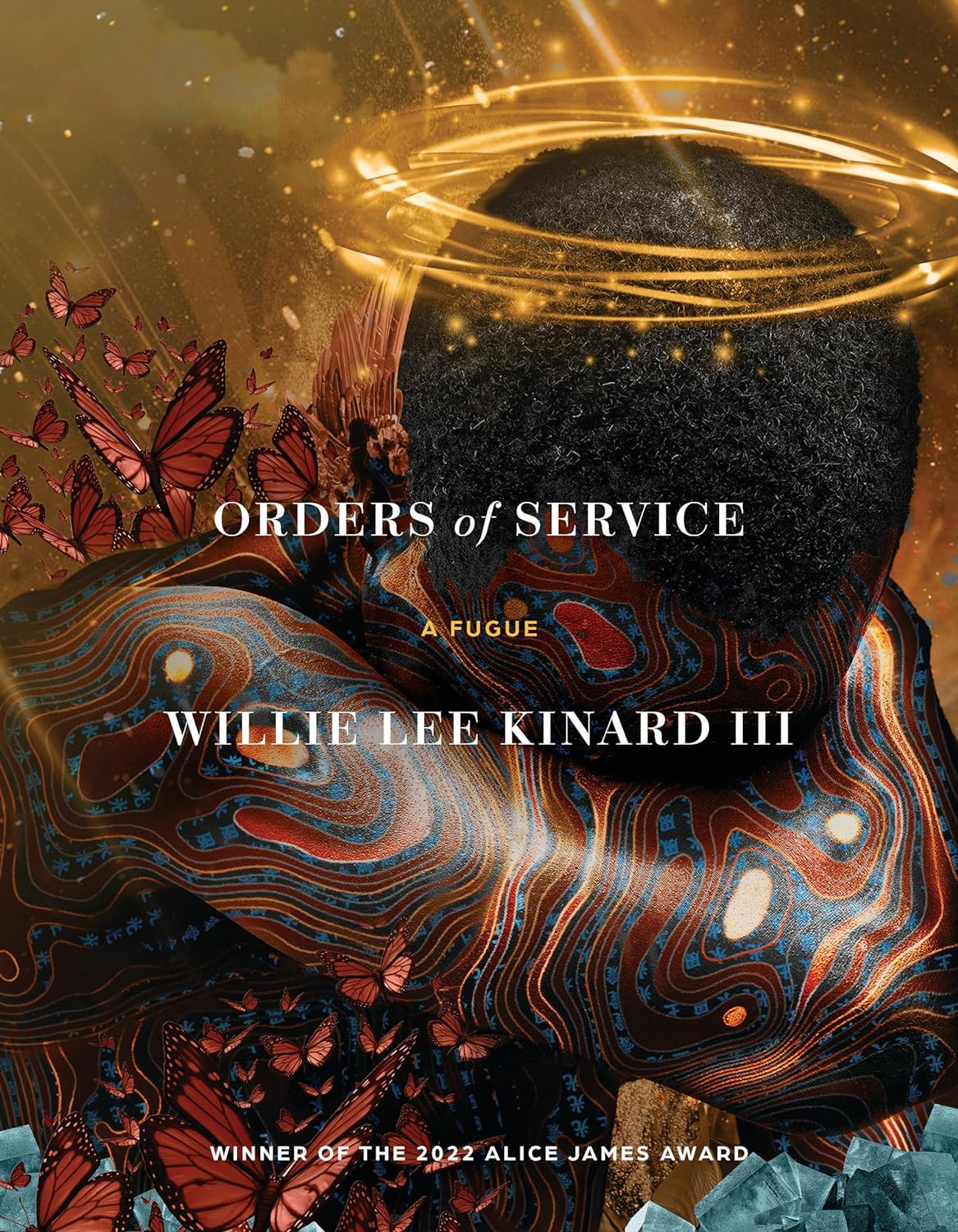
By: Willie Lee Kind III, 2023, Paperback
As a young, Black, queer person in a small town in the South where everyone knows everyone, Orders of Service is a coming-of-age exploration of the everyday fever of fleeting relationships, while capturing the romantic, psychic quotidian of the Bible Belt. This commentary on gospel traditionalism is armed with dreams of helping to reshape lived realities where being your truest self could be shunned or ostracized in deeply religious communities. It ruminates on this Deep South narrative by exploring how the age of social media has created a rich underground counterculture that offsets the surface rituals of grief and shame. The poems illuminate lineages of performance and fellowship for queer descendants of the last Black folks out of the Carolina cotton fields, and features Anansi-like speakers (Anansi is a trickster spider featured in West African and Caribbean folklore) while delving into old-school sensibilities and advice. This gospel-fugue bends language in the backwoods of faith and desire. Pulling figures from the stories of childhood―Icarus, a flying boy wanting to escape; Asterion the Minotaur―the wandering son of someone absent; Medusa, a wronged person portrayed as a mankiller; Cerberus, a beastly guardian intent on being a “good” boy― these poems are punky, preachy, prissy, and pink-collar, and all help create the fever-dream that is Orders of Service.
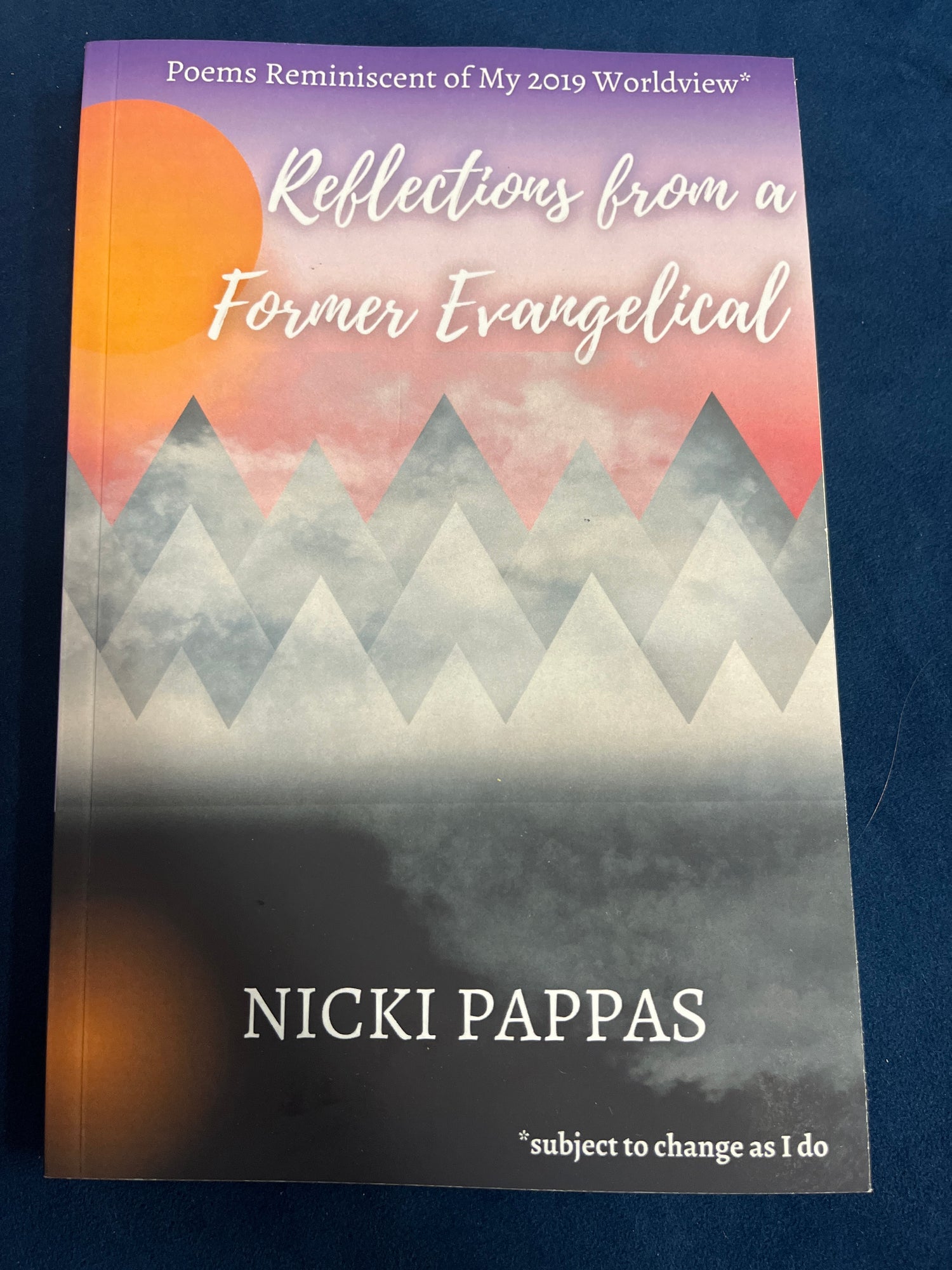
By Nicki Pappas, 2022, Paperback
signed, poetry

From the historic streets of Charleston, where flooding tides now rise with alarming frequency, Pulitzer Prize finalist Tony Bartelme takes readers deep into the heart of the climate crisis. With the eye of an investigative reporter and the soul of a storyteller, Bartelme makes the invisible visible-whether it's carbon dioxide drifting from a tailpipe, disappearing plankton beneath the waves, or the subtle collapse of ecosystems we barely understand.
Rising Waters is a story of science, wonder, and urgency. Traveling from the Lowcountry to Greenland, the Sahara, and beyond, Bartelme introduces readers to NASA scientists, Inuit shamans, coral whisperers, and chemical detectives, all working to decode the planet's fever. And he always brings it back home-to the marshes, reefs, and communities of the American Southeast, where the battle between water and land is no longer possible to ignore.
This book is a call to see clearly, think deeply, and act meaningfully-before more of our world slips beneath the surface.

Unlock the secrets of successful Southern gardening with this comprehensive guide that tackles the unique challenges of growing in the South's distinctive climate. From mastering the region's infamous humidity to understanding soil types and proper drainage, this detailed handbook covers everything you need to know. The book spans 16 information-packed chapters addressing crucial topics like plant selection, soil health, watering techniques, pest management, and garden design. Perfect for newcomers to Southern gardening or experienced gardeners seeking to refine their skills, it provides practical knowledge gained from real-world experience. Learn essential techniques for pruning, propagation, and creating beautiful shade gardens, while discovering how to work with the South's six distinct growing seasons. Whether you're tending a small balcony garden or managing a sprawling country plot, this thorough guide offers tested wisdom to help you cultivate a thriving Southern garden.

Speaking In Italics, the fifth book of Gregg Shapiro's Talking Heads-inspired pentagony, is here!
“If you’re lucky enough to have heard Gregg Shapiro read his poems aloud, then you know he’s always speaking in italics: bold, clear, emphatic. This new chapbook hones the boldness and deepens the clarity. There are “moon-bright clouds,” women drinking coffee till “their lips are blue as tar.” It’s cinematic, with cameos by Joni, Marilyn, Madonna, Cinderella, too, and don’t forget those librarians of the 1970s, my favorite! “They married the library, like a nun/ married the church.” Above all, Speaking in Italics delivers on its lyric promise to probe “what if, what not, what else.”
-Julie Marie Wade
“In this new chapbook, Gregg Shapiro alchemically blends quotidian and fraught experiences into a life-giving elixir. Like in "Librarians in the 1970s," where a close look reveals those "girdles, garter belts and bras that resembled / suits of armor. They married the library, like a nun / married the church." In "Situation," something darker encroaches: "Out of the snake pit, into the spider’s web. This must be / the way dinosaurs felt, feet heavy as planets ..." I am holding my breath as I climb his wonderfully warped stairs, following shimmering angles of light and shade.”
-Sharon Mesmer
“Gregg Shapiro's Speaking in Italics is a lively, unflinching collection where humor and heartbreak sit side by side. Moving from Boston's North End stairwells to late-night insomnia, from love affairs to cockroach-infested apartments, these poems capture the eccentricities of queer life with wit, candor, and tenderness. Shapiro has a gift for the memorable image — a lover's "blood, black as the ink on your fingertips and lips" — that makes the ordinary shimmer with strangeness and desire. This is a book that speaks in many registers - playful, aching, sharp - but always in italics, always with emphasis.”
-Aaron Smith
“Gregg Shapiro’s Speaking in Italics lights up the night with animal eyes with electrifying poems where two people find harmony in discord (“We are us”), where even the “end-of-the-world tango” is performed with defiant grace. This is a declaration of fortitude for a world where authenticity and “sanity returns for a fleeting instant.” This is a life lived without apology proving passion is the ultimate defense against the darkness.”
-Ruben Quesada
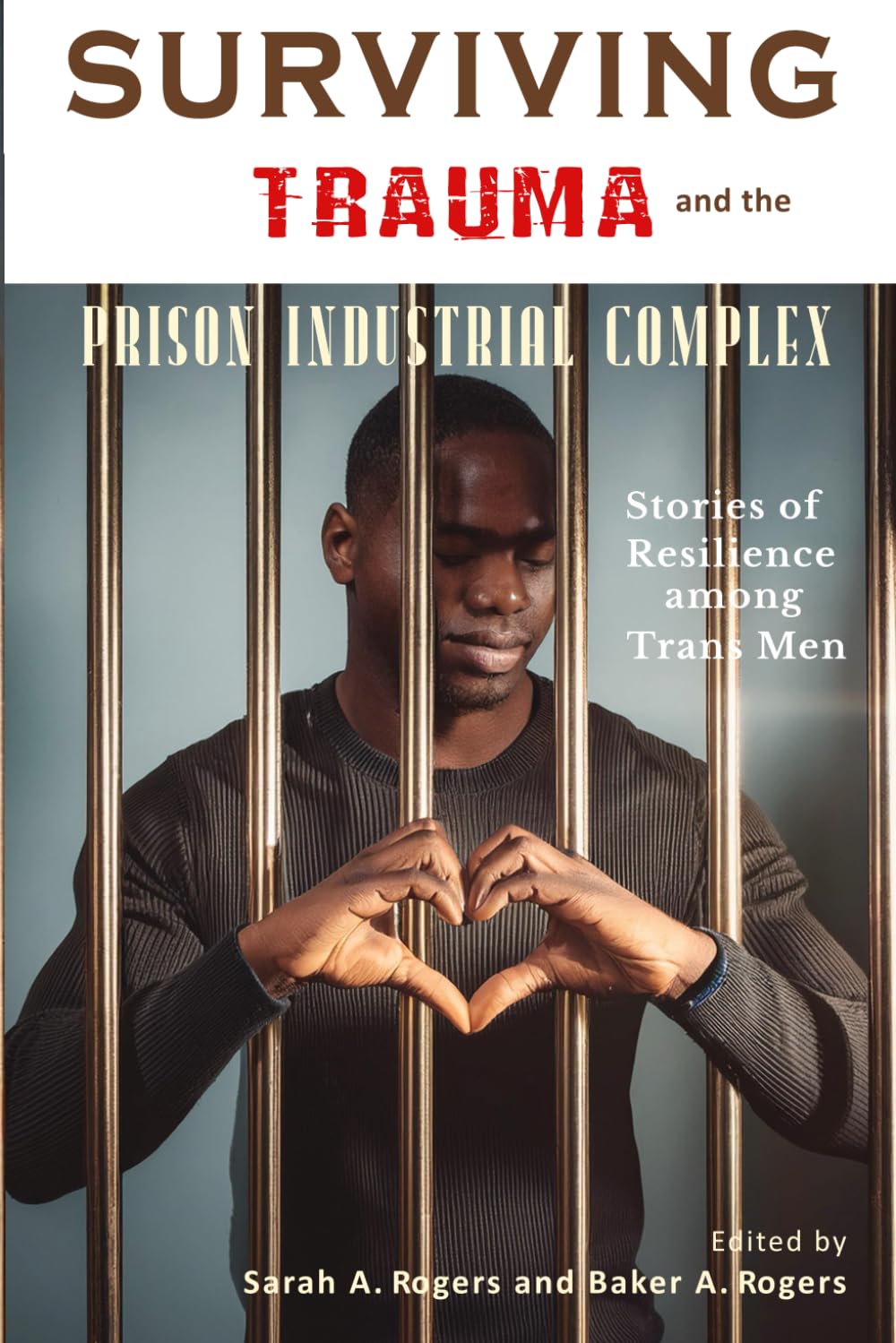
Edited by Sarah A. Rogers and Baker A. Rogers, 2025, paperback
First of its kind, this outstanding collection features 12 testimonies from trans men of diverse backgrounds who chronicle their journeys of trauma, struggle and survival in America’s prison industrial complex. Original and unabridged, the voices compiled here tell in very personal and relatable terms how folks living on the margins of gender, race, ethnicity, and class become ensnared in one of America’s most insidious systems designed to exploit human vulnerabilities for profit. While these men have been victimized, they live today with the hope, dignity, and wisdom that their journeys have gifted them.
"This collection shines a glaring light on the oft-ignored lived experiences of transgender men caught up in the web of the criminal legal system. Through a collection of first-person narratives, a diverse group of formerly incarcerated men reveal the myriad traumas that contributed to their offending, defined their carceral experiences, and shaped their post-incarceration lives. Harrowing stories of violence and injustice are offered alongside tales of resilience and fortitude, painting a picture that reveals the complexities and depth of both the prison industrial complex as well as the men that find themselves at the center of it."
Emily Lenning, Professor of Criminal Justice, Fayetteville State University
"This collection is a must-read for anyone committed to understanding the intersections of trans masculine identity, criminalization, and resistance. Through deeply personal and moving testimonies, this book reveals the pervasive injustices faced by trans men navigating social stigma, family trauma, institutional violence, systemic racism and discrimination. At the same time, these powerful accounts illuminate the ways that trans men survive hostile social conditions and find ways to build community, enact self-determination, and resist oppression."
S. Lamble, Professor of Criminology and Queer Theory and Co-founder of Bent Bars Project.
"Stories that will fry your eyeballs combined with a humanity and an unwillingness to be broken by a broken system that shines through every chapter. The voices of trans men who have survived with their genders and dignity intact adds a long missing perspective on trans-over incarceration in the PIC."
Riki Wilchins, When Texas Came for Our Kids: How Evangelical Extremists Launched a War on Transgender Teens

Lest one forget pleasure is a human right, Evelyn Berry edges the reader toward that realization—again, and again, and again—in T4T. Of course, pleasure is sexual, the way that lovers “pretend our freckles honeysuckle.” But it’s not just sexual; it’s beyond sexual. It is the pleasure of life, of embodiment, of safety, and of care and attention. (The latter of which are two descriptors I could easily also apply to Berry’s craft. Those line breaks, like a switchblade surprise!) And the title says who the pleasure is for, and with whom the pleasure is shared: trans for trans, that delectable “erotic symmetry.” But pleasure, unlike some romantic notions of it, isn’t best when it is fleeting. Pleasure is best enjoyed, transmutated and ever evolving, over long lives. In “stay here,” the chapbook’s arietta for transfemmes, Berry writes, “love you here, / love you safe, love you more than everything.” The speaker here can’t tune out the background noise of American fascism, eviction notices, egg price hikes, hashtags to memorialize yet another trans woman who has been murdered, but the knowledge of what’s at risk and the vision of what can be in a trans-utopic alternate reality, leaves Berry with a choice: What is the best proof of her “glittering / luminescent” life? It’s not the wound—“no, i won’t flaunt the wound to prove i’m alive,” she insists. It’s physical connection, feral desire: “kiss me,” she writes, “remind me i’m still here.” -Emilia Phillips, author of Nonbinary Bird of Paradise, Embouchure, & Empty Clip
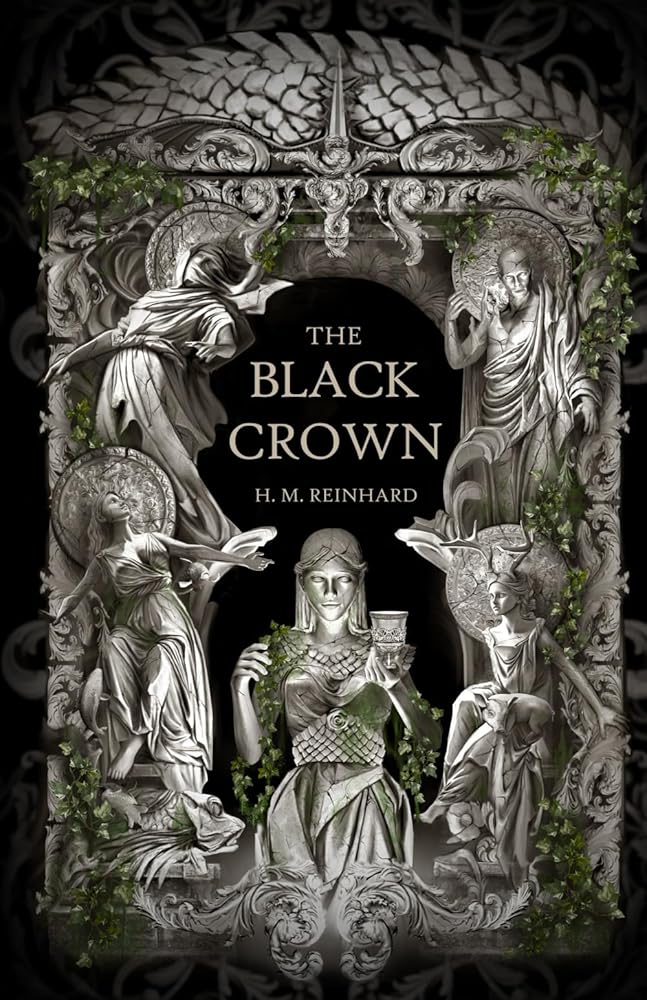
Heavy is the head that wears the crown. Heavy is the conscience that must keep its secrets.
No one expected Arix Sable to claw her way to victory and become the Black Hand. Even Arix never expected the price she would have to pay for her triumph. But beating her competitors was only the first step in taking her place at the new king's side. Now, the real test has begun.
There are new challenges to face, now under the grueling spotlight of her new position. As she steps into her new role, Arix wonders if more of herself than just her appearance was stripped away to make room for the new magick that now thrums in her veins. With her Five Fingers, an inner circle to assist and guide, Arix may have found a new family, and new confidence, to build the world she sees for Rökkur.
But more than just the council watches her now. It seems that the gods are turning to look, taking an interest in the success or the failure of the new Black Hand. All eyes watch; all eyes wait for a mistake.
THE BLACK CROWN is a dark fantasy novel with a focus on the rise from her to villain, with intricate religious and magical worldbuilding.
If you love villain origin stories filled with magical items and magical creatures, political intrigue, morally gray characters, and retribution, then you'll love The Black Kingdom trilogy.
THE BLACK KINGDOM TRILOGY READING ORDER:
Book 1: The Black Hand
Book 2: The Black Crown
Book 3: The Black Kingdom

Rescuing biblical language from misuse by those who would persecute queerness and subjugate the natural world, The Drag Gospel of Queer Jesus contemporizes and enlivens Biblical mysteries, exploring queer/trans identities and Florida ecologies through poetic forms (both received and invented) as often as through free verse. Simultaneously playful and serious, like the best drag performances, these poems nod equally and as often to the work of RuPaul or Marsha P. Johnson as to William Shakespeare or the author(s) of Genesis. Meanwhile, as the poems point to the artificial constructions of gender, they also embrace the (queer) natural world.
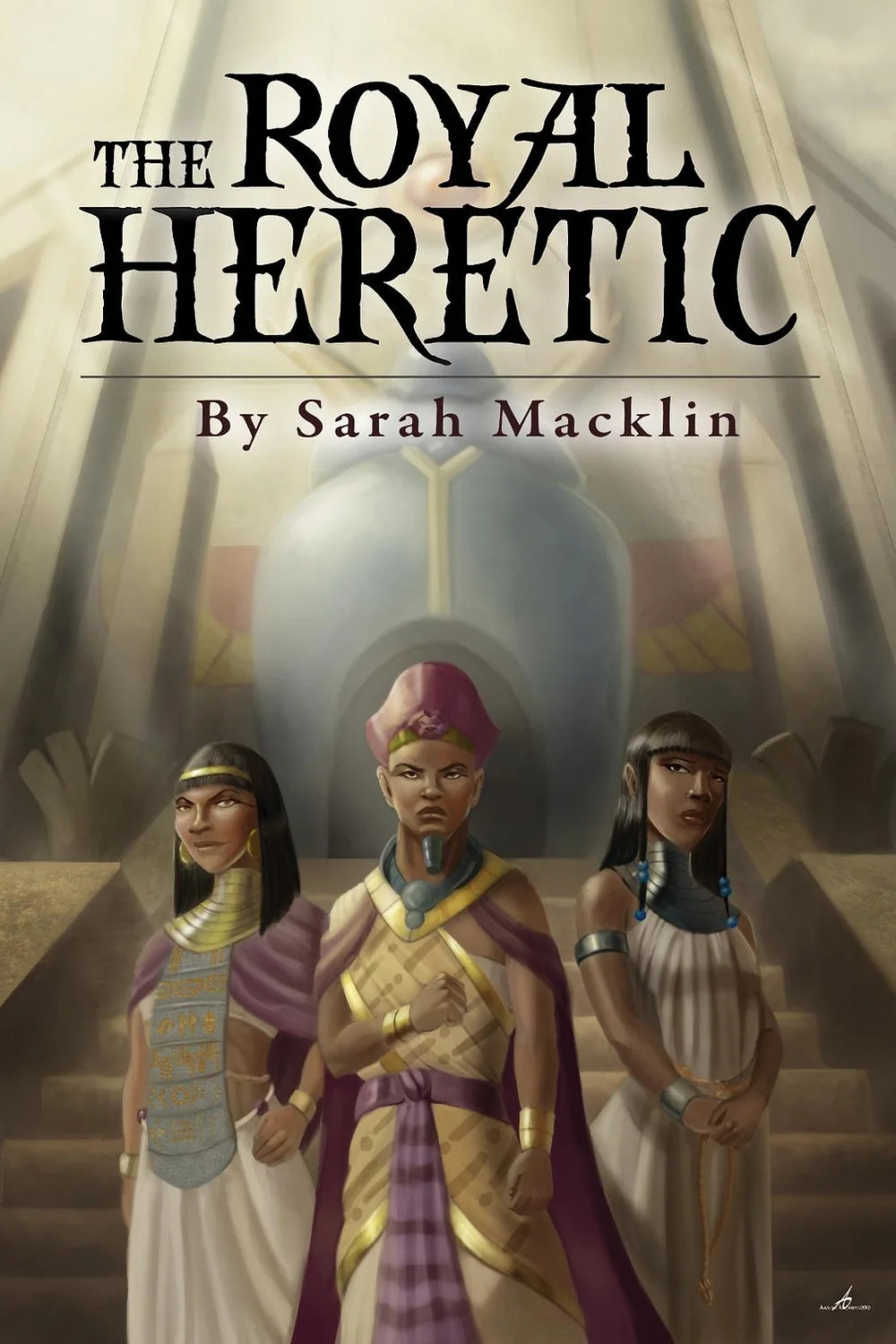
By: Sarah Macklin (Author), 2020, Paperback
Bakari is the netkoleh, ruler of the Ega empire and the living embodiment of the gods. When his eldest son and heir falls ill and dies, Bakari drowns in despair. He decides that the gods are nonexistent and bans the empire's religion. He expects the people to rejoice at being "liberated" but talk of rebellion soon begins instead.
In the north, in a long ago conquered kingdom, the second queen of the empire is sent to deliver the news. Her father, the king, wants to bargain with the netkoleh but she and her siblings know the man can't be reasoned with. Their religion was the last bit of dignity th Ega had left their people. To defy this decree will bring the wrath of the netkoleh down on their lands and hopefully the path to freedom.
Meanwhile, the south is grappling with their recent occupation. The untried leader must balance the needs of her people with the demands of the Ega. The increasing pressures may not only break her but her land as well. In the end, a rash decree by a distant ruler may be the least of her worries.
The bonds of family and fealty will be tested. The strength of nations' faith will be strained. And the fate of the entire empire will rest in the hands of a few.
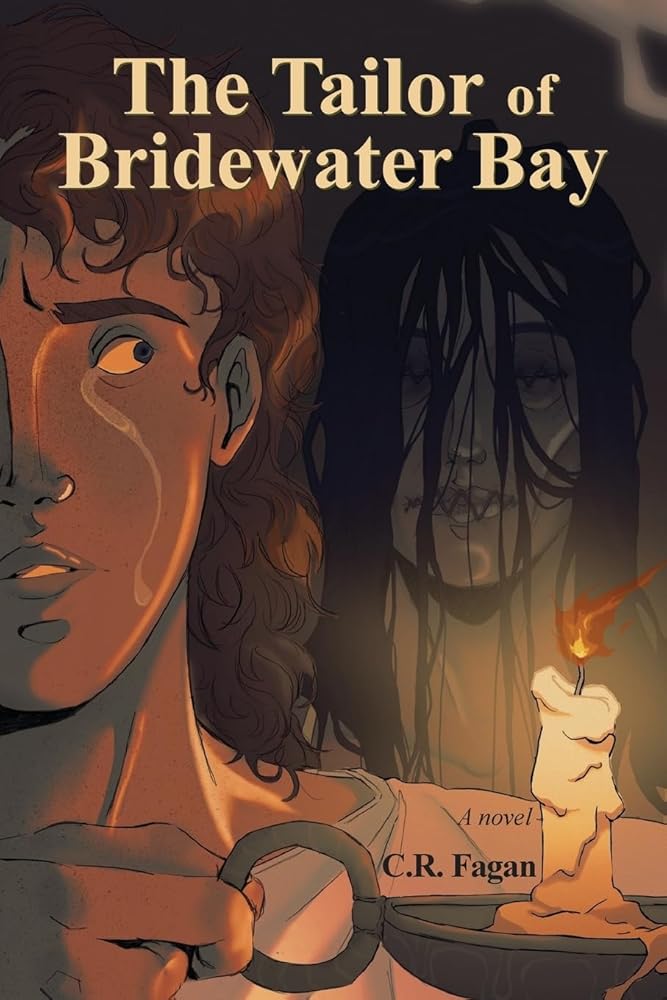
Ronan at nineteen has lived by himself for ten years, ever since the night his mother disappeared. He has taken up her trade as a tailor and included the Irish/Druid blessings in the clothing he stitches. But his life is afflicted with isolation--he and his mother were outsiders never accepted in the community--and he has no friends in the small Louisiana bayou town of Bridewater Bay. Without friends or parents his new feelings of attraction to a charismatic young man who works at the docks confuse and distress him. When he is visited by the ghost of the Bride for whom Bridewater Bay is named, he assumes she comes because of his shameful feelings for Abel.
This gripping story of a lonely young man's coming of age in a southern town in the late nineteenth century is moving, romantic, and scary. Readers experience the two young men making their way down a road that is totally unfamiliar to them and facing grave danger. A terrifying and beautiful love story.
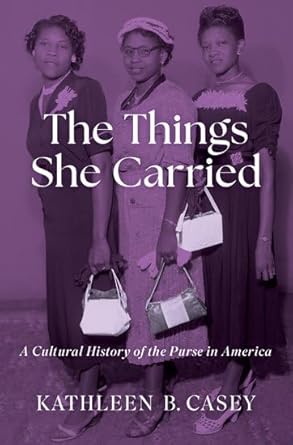
Purses and bags have always been much more than a fashion accessory.
For generations of Americans, the purse has been an essential and highly adaptable object, used to achieve a host of social, cultural, and political objectives. In the early 1800s, when the slim fit of neoclassical dresses made interior pockets impractical, upper-class women began to carry small purses called reticules, which provided them with a private place in a world where they did not have equal access to public space. Although many items of apparel have long expressed their wearer's aspirations, only the purse has offered carriers privacy, pride, and pleasure. This privacy has been particularly important for those who have faced discrimination because of their gender, class, race, citizenship, or sexuality.
The Things She Carried reveals how bags, sacks, and purses provided the methods and materials for Americans' activism, allowing carriers to transgress critical boundaries at key moments. It explores how enslaved people used purses and bags when attempting to escape and immigrant factory workers fought to protect their purses in the workplace. It also probes the purse's nuanced functions for Black women in the civil rights movement and explores how LGBTQ people used purses to defend their bodies and make declarations about their sexuality.
Kathleen Casey closely examines a variety of sources―from vintage purses found in abandoned buildings and museum collections to advertisements, photograph albums, trade journals, newspaper columns, and trial transcripts. She finds purses in use at fraught historical moments, where they served strategic and symbolic functions for their users. The result is a thorough and surprising examination of an object that both ordinary and extraordinary Americans used to influence social, cultural, economic, and political change.
AN OUTCAST HUNTRESS CAN FINALLY LEARN THE TRUTH OF HER BIRTH. A CIVIL WAR FROM FARAWAY LANDS SPILLS INTO THE EMPIRE. WHICH PATH WILL SHE CHOOSE WHEN ROYALTY SEEKS HER HELP TO RESTORE PEACE?
Growing up with small-minded and scornful townsfolk has never been easy for Rowena. Regarded as an outcast and half-breed since birth, she longs to leave home. When the capital’s summer festival provides a chance for escape, Rowena takes that chance in hopes of discovering the truth of her birth, and perhaps even join the exclusive order of warrior women: The Lion Riders.
Along the way, Rowena becomes entangled in a secret plot to protect the most unlikely fugitives – the prince and princess of the empire’s enemy!
Tensions rise from an ever-growing threat of magic, assumed to be the work of a long-dead sorcerer and his newly revived cult of extremists. Protests and riots rage at a wall built by citizens who are accustomed to nothing but a city of barriers. As the threat of war looms, a terrible nightmare is shared by more and more minds everywhere…
Can the foreign princess and her deaf younger brother save their homeland from civil war?
Will Rowena ever find the truth of her birth?
Do the nightmares ever stop?

Mohan, an old wizard in the kingdom of Silvershade, yearns to break a curse that has left him physically marked with dark, jagged lines on his arms. The curse causes him to experience terrible nightmares and prevents him from harming the one who inflicted it upon him, a powerful entity named Nefarius. Thanks to Mohan and the help of wizards and magicians from a neighboring kingdom, Nefarius was imprisoned long ago. But time is not on his side as he knows Nefarius has spent years trying to escape.
With the discovery of a possible cure, Mohan believes he is close to breaking the curse until a mysterious plot from one of the other kingdoms begins to interfere. At the worst, it will cost him his life. At the very least, it will cost him time, time he does not have. He only hopes to rid himself of the curse before Nefarius breaks free.

Shows how trans activists confront the intersections of white supremacy and transphobia
Trans Geographies of Joy charts the stories of trans activists in Atlanta, focusing particularly on people of color, to document how they confront the intersections of white supremacy and transphobia through their organizing. The volume offers insight into the oft-overlooked trans activist scene, particularly as political strategists and the broader news media struggle to make sense of newly-purple states like Georgia.
Elias Capello uncovers how trans activists create spaces to help them feel safe in the face of the violence they routinely encounter. He argues that colonialism, white supremacy, and cisnormativity are all connected through shame, designating cisgender bodies as "safe, secure, and sane.” Cisgender culture masks itself within whiteness to create a narrative of safety that prioritizes cisgender lives, all the while pathologizing, policing, and commodifying trans lives. Yet, as Capello illuminates, trans activists offer alternative narratives of safety, creating spaces of joy outside of cisnormativity’s colonial-based shame. The volume details how activists create art, spaces, and communities that help them flourish, illuminating trans pleasure and joy rather than focusing solely on the struggles trans people face.