Sort by:
321 products
321 products

At once shocking, entertaining, and profound--Radical Honesty is revolutionary book that takes a fresh look at how we live, love, and attempt to heal ourselves in modern society.
Radical Honesty is not a kinder, gentler self-help book. In it Dr. Brad Blanton, a psychotherapist and expert on stress management, explodes the myths, superstitions, and lies by which we live. He shows us how stress comes not from the environment, but from the self-built jail of the mind. What keeps us in our self-built jails is lying. "We all lie like hell," Dr. Blanton says. "It wears us out...it is the major source of all human stress. It kills us." Not telling our friends, lovers, spouses, or bosses about what we do, feel, or think keeps us locked in that jail. The way out is to get good at telling the truth. Dr. Blanton provides the tools we can use to escape the jail of the mind. This book is the cake with the file in it.
In Radical Honesty, Dr. Blanton coaches us on how to have lives that work, how to have relationships that are alive and passionate, and how to create intimacy where none exists. As we have been taught by the philosophical and spiritual sources of our culture for thousands of years, from Plato to Nietzsche, from the Bible to Emerson, the truth shall set you free.

A dynamic re-envisioning of the tarot, including tarot card imagery, that describes how the tarot is queer, that the archetypes are alive, and that tarot doesn’t tell the future; it creates it.
Radical Tarot meets the tarot in a space of evolution, deconstruction, and creation, using the historical and common meanings of the cards as a launchpad for digging into limiting beliefs and societal conditioning and unlocking the personal truths beneath.
The Fool’s Journey is re-envisioned as a journey to non-binary thinking, the gender essentialism is ousted from the Major Arcana and the Court Cards—and all the cards—are reframed through a non-hierarchical, anti-capitalist, and intersectional lens. The archetypes are re-imagined in modern, progressive, and queered contexts. For example:
* The Empress and the body positivity movement
* Justice, not in the legal sense, but as ethical discernment and accountability
* Temperance and transcending the gender binary
* The Devil and anti-capitalism
* Judgement and revolution
Radical Tarot also touches on Charlie’s personal story of how tarot helped them embrace their queerness, leave their marriage, and radically change their life. It speaks to their queer awakening and how tarot became, for them, a tool for social justice and conscious awareness of the world around them. Their words and experience will help anyone who wishes to be closer to their own authentic selves.

***A BEST BOOK OF 2018 SELECTION***
NPR * The Washington Post * Book Riot * Autostraddle * Psychology Today
***A BEST FEMINIST BOOK SELECTION***
Refinery 29, Book Riot, Autostraddle, BITCH
Rage Becomes Her is an “utterly eye opening” (Bustle) book that gives voice to the causes, expressions, and possibilities of female rage.
As women, we’ve been urged for so long to bottle up our anger, letting it corrode our bodies and minds in ways we don’t even realize. Yet there are so, so many legitimate reasons for us to feel angry, ranging from blatant, horrifying acts of misogyny to the subtle drip, drip drip of daily sexism that reinforces the absurdly damaging gender norms of our society.
In Rage Becomes Her, Soraya Chemaly argues that our anger is not only justified, it is also an active part of the solution. We are so often encouraged to resist our rage or punished for justifiably expressing it, yet how many remarkable achievements would never have gotten off the ground without the kernel of anger that fueled them? Approached with conscious intention, anger is a vital instrument, a radar for injustice and a catalyst for change. On the flip side, the societal and cultural belittlement of our anger is a cunning way of limiting and controlling our power—one we can no longer abide.
“A work of great spirit and verve” (Time), Rage Becomes Her is a validating, energizing read that will change the way you interact with the world around you.

An essential guide for parents and caregivers to raising queer-friendly children in a gender-affirming space.
In the face of so many injustices across society for LGBTQ+ people, it can be easy for parents of young children to feel helpless and hopeless. While they may not be able to address every problem across the country, there's a simple place to start: right at home.
Rainbow Parenting is an indispensable stepping stone for adults who want to raise and teach kids in a queer and gender-affirming way, but might not know how. Lindz Amer, the creator of Queer Kid Stuff, an award-winning LGBTQ+ educational webseries for children and families, is an expert guide, leading readers through practical applications, important LGBTQ+ history, key lessons in intersectionality, pronouns, social justice, and more. Divided by sections that address kids' individual ages―from infancy to kindergarten―this joyful and approachable book shares a bit of hope and starts with the understanding that anyone can spread queer joy.
By giving parents and their kids a vocabulary to express themselves, Rainbow Parenting ultimately aims to create more empathetic adults―and spreads a message of radical acceptance in a world where it's sometimes dangerous to just be yourself.

Dare to dream of a church and a world transformed by the bold celebration of transgender and gender-diverse children.
The debate around transgender children rages, with some Christians being the loudest voices against loving and supporting these young people. So, now more than ever, people of faith need to be grounded in God's call to love and affirm young people in who God created them to be. Raising Kids beyond the Binary bypasses the sound bites to give readers a vivid picture of who transgender, non-binary, and gender-expansive young people are and what they need to thrive.
Drawing on the author's experience as a mother walking with and learning from her own transgender child, as well as working with hundreds of families across the country doing the same, this book helps parents navigate the emotional, spiritual, and logistical landscape of raising a gender-diverse child.
Grounded in the unequivocal truth of God's deep love and limitless creativity, this book compels readers to move past "all are welcome" to loving and celebrating transgender and gender-diverse youth in the brilliance of their uniqueness, the wisdom of their self-awareness, and the joy of their authenticity. Faith leaders and adults who work with youth will also find the book a helpful tool for gaining insight and building safer and more welcoming congregations for these children.
Rich with personal stories, research, and practical steps, this book dares to dream of a church and a world transformed by the bold and joyful acceptance and celebration of transgender and gender-diverse children and youth. These children need us, and the world needs them.
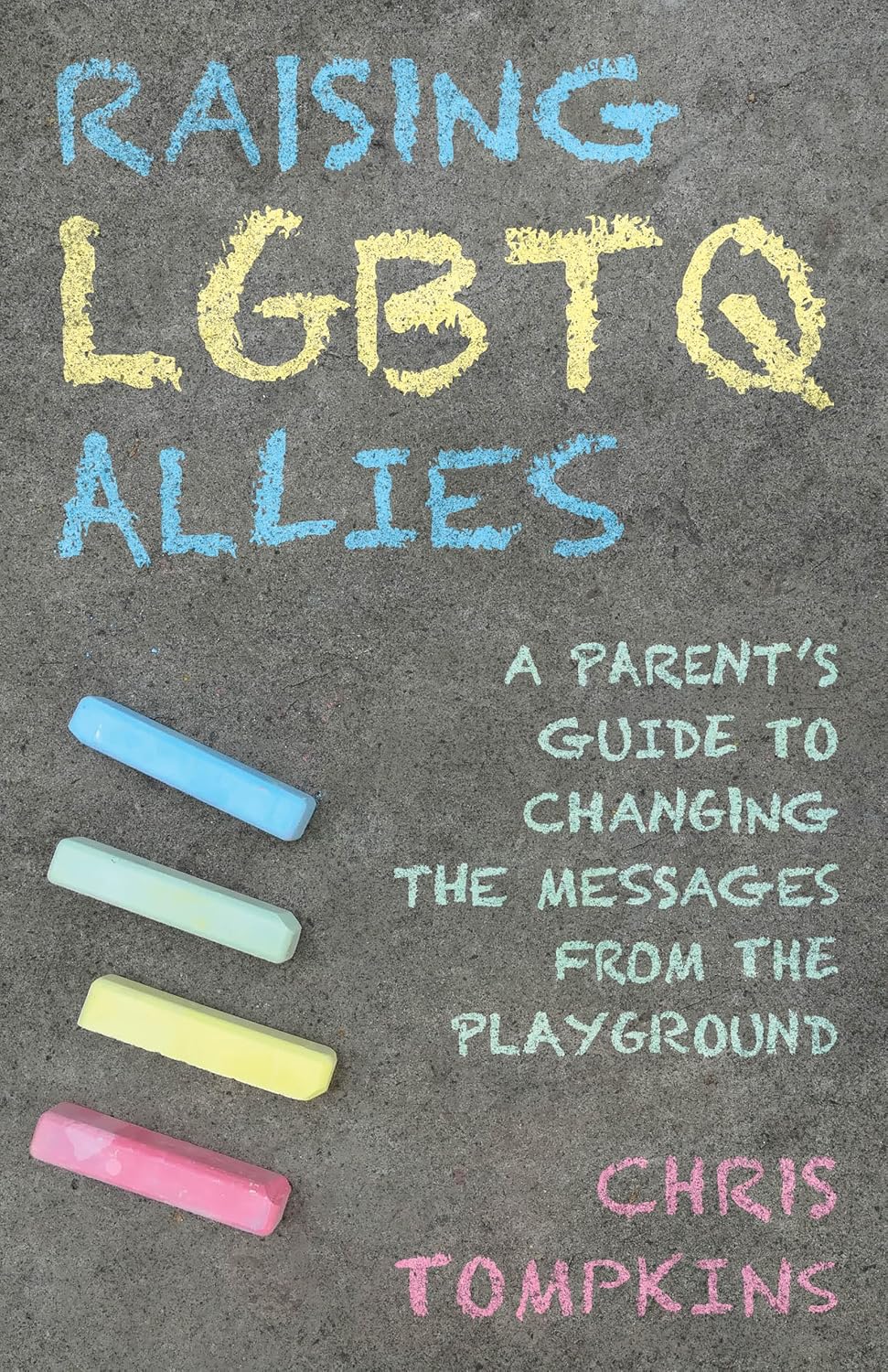
Raising LGBTQ Allies: A Parent's Guide to Changing the Messages from the Playground
$17.95
Unit price perRaising LGBTQ Allies: A Parent's Guide to Changing the Messages from the Playground
$17.95
Unit price perBy: Chris Tompkins (Author), 2021, Paperback
No matter who we are or where we come from, we all play on the same playground. There are certain collective societal messages we hear growing up that we either consciously or subconsciously believe. As a result, we develop certain belief systems from which we operate our lives.
Raising LGBTQ Allies sheds light on the deeper, multi-faceted layers of homophobia. It opens up a conversation with parents around the possibility they may have an LGBTQ child, and shows how heteronormativity can be harmful if not addressed clearly and early. Although not every parent will have an LGBTQ child, their child will jump rope or play tag with a child who is LGBTQ.
By showing readers the importance of having open and authentic conversations with children at a young age, Chris Tompkins walks parents through the many ways they can prevent new generations from adopting homophobic and transphobic beliefs, while helping them explore their own subconscious biases.
Offering specific actions parents, family members, and caregivers can take to help navigate conversations, address heteronormativity, and challenge societal beliefs, Raising LGBTQ Allies serves as a guide to help normalize being LGBTQ from a young age. Creating allies and a world where closets don't exist happens one child at a time. And it begins with each of us and what we say, as much as what we choose not to say.


Empower, Affirm, and Support—A Lifeline for Parents, Educators, and Advocates
Raising Trans Kids is the essential guide for parents, families, and educators committed to creating a world where transgender and nonbinary youth can thrive. With compassionate insights, evidence-based research, and practical advice, this groundbreaking book provides the clarity and reassurance needed to navigate the complex journey of raising trans and gender-expansive children.
Inside this indispensable resource, you’ll find:
* Simple, evidence-based answers to the difficult questions that keep caregivers awake at night.
* Tools to dismantle limiting beliefs that may hinder full, unconditional support for trans youth.
* Up-to-date research highlighting the critical role of family acceptance in reducing suicide risk and fostering self-esteem.
* An evolving online glossary to stay informed about the ever-changing language of gender and sexuality.
At a time when trans youth face unprecedented legislative attacks and alarming mental health challenges, Raising Trans Kids is more than a guide—it’s a lifeline. By addressing fears and misconceptions, it helps families move past uncertainty and fear into pride, joy, and unconditional love for their child’s authentic self.
Why This Book Matters:
* Trans kids and teens with supportive families experience lower rates of suicide, greater life satisfaction, and higher self-esteem.
* In 2024, a record-breaking 672 anti-trans bills were introduced across the U.S, marking the fifth consecutive record-breaking year for such legislation, intensifying the need for informed and empathetic guidance for parents and advocates.
Discover the pride, joy, and strength of unconditional support. Whether you’re a parent seeking to better support your child, an educator looking to foster inclusive environments, or an advocate ready to take action, Raising Trans Kids provides the tools, insights, and hope you need to make a lasting difference.
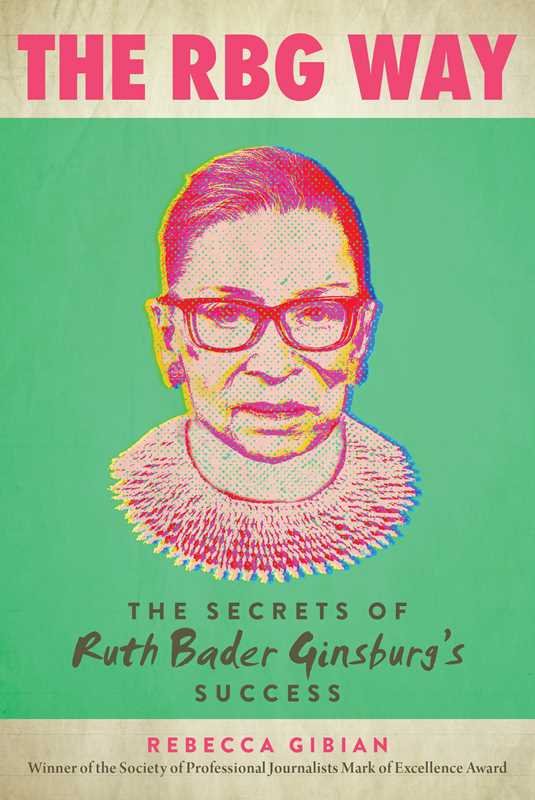

Understanding and Applying the Wisdom of Justice Ruth Bader Ginsburg! Given her incredible tenure as a Supreme Court justice as well as her monumental impact on the modern women’s rights movement, Ruth Bader Ginsburg has become one of the most prominent political leaders of today. To complement her judicial significance, she has also become one of the most culturally popular political figures in US history. Not only has her workout routine gone viral (and been detailed in a book by her trainer), but RBG's story has been featured in multiple critically acclaimed films. Organized into three parts and then broken down into more specific chapters within each part,The RBG Way offers wisdom from Justice Ginsburg, based on comments she has made on particular topics of importance. Insight is offered on subjects such as women's rights, creating lasting partnerships, overcoming hardship, how to be brave, and how to create lasting change. Rebecca Gibian offers her seasoned journalistic perspective to shed light on beliefs that RBG holds strongly, in a manner that is both comprehensive and accessible


A revolutionary anthology of essays and dramatic works by contemporary Disabled theatre artists
Rebellious Bodies and Radical Acts brings together some of the most innovative minds working in the realm of Disability theatre today. Through essays, poetry, interviews, and critique, these artists pull back the curtain on the creative process, revealing how they engage in the practice of performance. As Disabled people, their bodies and abilities defy the status quo, lending their exploration of this embodied artform an essential and overlooked perspective.
Each writer brings their expertise as an artist to the task of defining what is most urgent, compelling, and relevant in the ongoing evolution of their artform. The centrepiece of this book is the complete text of Alex Bulmer’s Perceptual Archaeology (or How to Travel Blind), a richly layered exploration of her experiences travelling across differing geographies and unexpected emotional terrain. Other writers share excerpts of their work, including Niall McNeil’s Beauty and the Beast: My Life, Debbie Patterson’s How It Ends, Audrey-Anne Bouchard’s Camille, and more.
These bold artists are pressing in from the margins, demanding a new era in the creation of live performance: one that engages a broader scope of lived experience, one that embraces Disability as opportunity, and one that welcomes the adventure of travelling in the unfamiliar.
Available in accessible digital formats.


In Reclaiming Church, J.J. Warren continues his call to reaffirm the Church be welcoming to all, including young people like those he led at Sarah Lawrence College who “didn’t know God could love them because their churches said God didn’t.”
The book addresses three points of importance to young people looking to be part of a church community, and a call:
1. The identity and nature of God
2. The role of Scripture in discerning God’s call
3. The author’s own experience of God, church, and identity
In the final chapter, “We Are the Church,” Warren focuses on practical and positive steps for joining voices, being heard, building bridges, and working together for young people to reclaim Church in their lives.
Key Features
• Affirms to the LGBTQ community and those who love them that the Church is for all.
• Inspires younger progressive people to stay within the Church and work to renew the call of ministry.
• Explores the Church’s beginnings and emphasis on community.
• Calls readers to focus on practical and positive steps to reclaim Church in their lives.
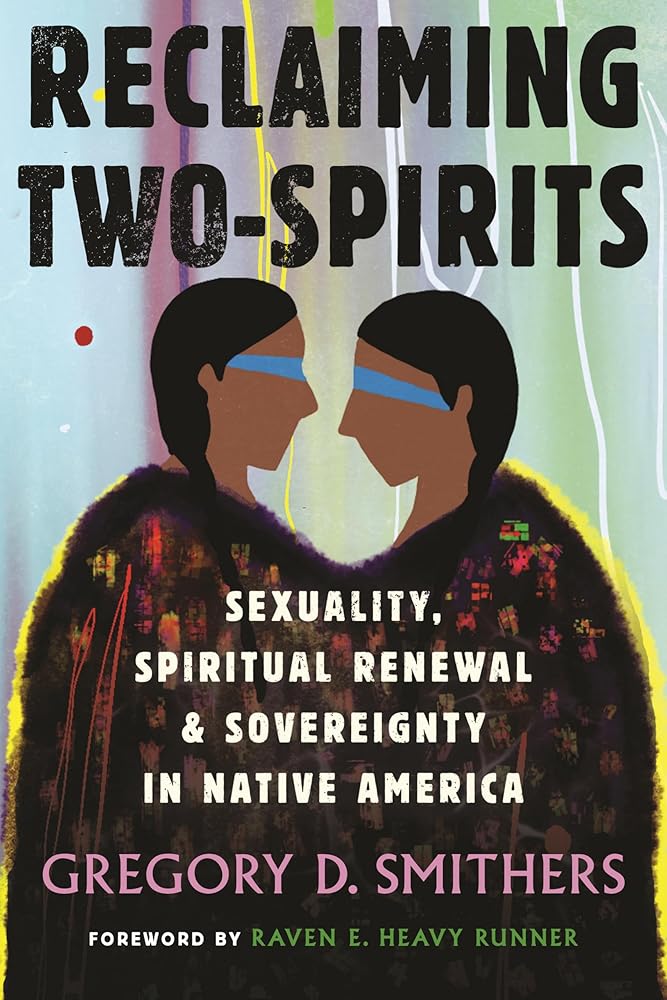
Reclaiming Two-Spirits: Sexuality, Spiritual Renewal & Sovereignty in Native America
$24.95
Unit price perReclaiming Two-Spirits: Sexuality, Spiritual Renewal & Sovereignty in Native America
$24.95
Unit price perWinner of the 2023 Prose Award in Cultural Anthropology and SociologyFinalist for the 2023 Publishing Triangle Randy Shilts Award for Gay Nonfiction
A sweeping history of Indigenous traditions of gender, sexuality, and resistance that reveals how, despite centuries of colonialism, Two-Spirit people are reclaiming their place in Native nations.
Reclaiming Two-Spirits decolonizes the history of gender and sexuality in Native North America. It honors the generations of Indigenous people who had the foresight to take essential aspects of their cultural life and spiritual beliefs underground in order to save them.
Before 1492, hundreds of Indigenous communities across North America included people who identified as neither male nor female, but both. They went by aakíí’skassi, miati, okitcitakwe or one of hundreds of other tribally specific identities. After European colonizers invaded Indian Country, centuries of violence and systematic persecution followed, imperiling the existence of people who today call themselves Two-Spirits, an umbrella term denoting feminine and masculine qualities in one person.
Drawing on written sources, archaeological evidence, art, and oral storytelling, Reclaiming Two-Spirits spans the centuries from Spanish invasion to the present, tracing massacres and inquisitions and revealing how the authors of colonialism’s written archives used language to both denigrate and erase Two-Spirit people from history. But as Gregory Smithers shows, the colonizers failed—and Indigenous resistance is core to this story. Reclaiming Two-Spirits amplifies their voices, reconnecting their history to Native nations in the 21st century.
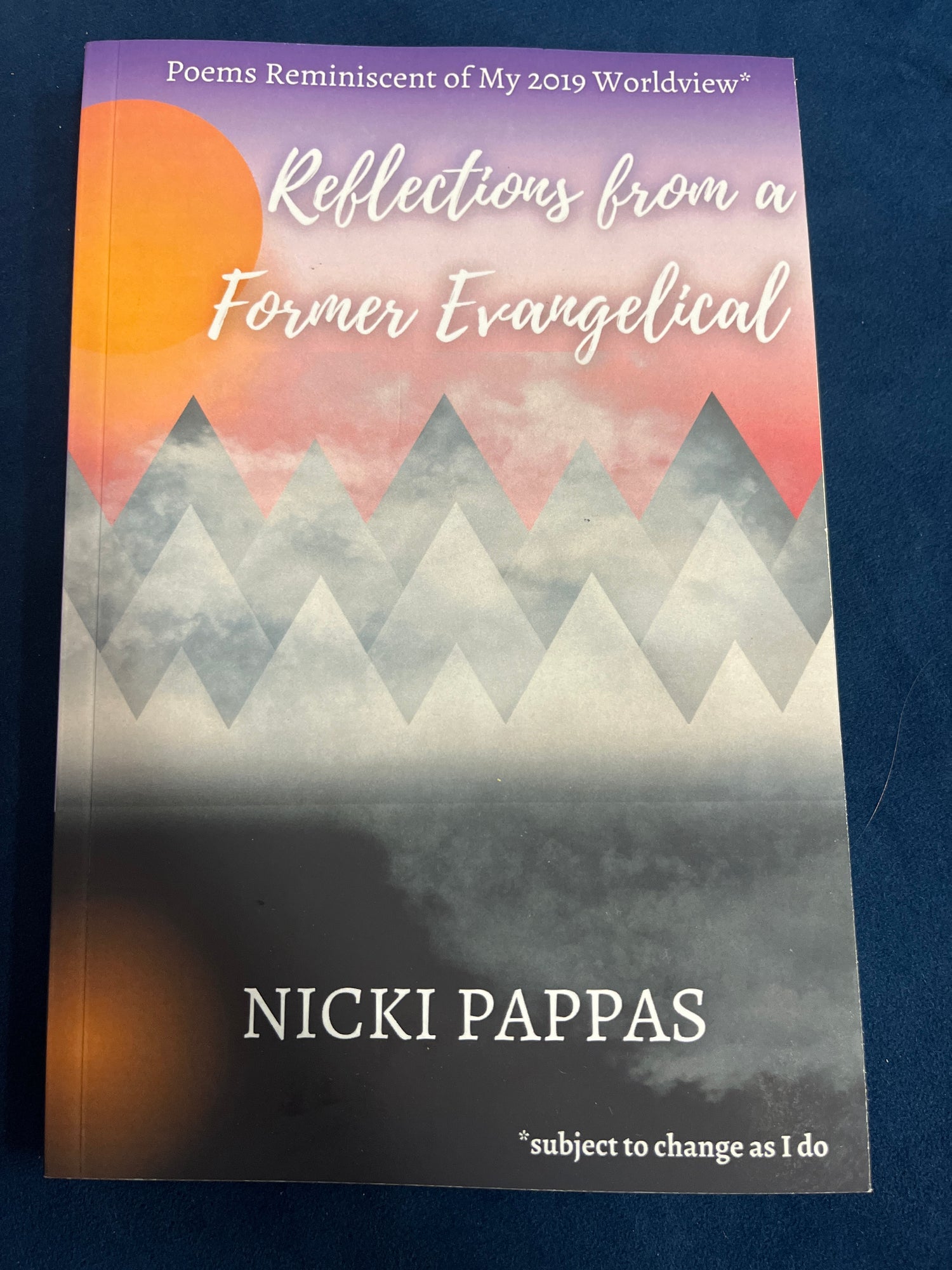
By Nicki Pappas, 2022, Paperback
signed, poetry

By: Tricia Hersey (Author), 2022, Hardcover
***INSTANT NEW YORK TIMES BESTSELLER***
Disrupt and push back against capitalism and white supremacy. In this book, Tricia Hersey, aka The Nap Bishop, encourages us to connect to the liberating power of rest, daydreaming, and naps as a foundation for healing and justice.
What would it be like to live in a well-rested world? Far too many of us have claimed productivity as the cornerstone of success. Brainwashed by capitalism, we subject our bodies and minds to work at an unrealistic, damaging, and machine‑level pace –– feeding into the same engine that enslaved millions into brutal labor for its own relentless benefit.

***This book will ship on or after the release date of April 14, 2026***
An urgent declaration that advances an internationalism from below focused on people and movements as agents of our collective liberation
We belong to a single transnational struggle―and we stand against an internationally organized elite. We know that if we remain isolated, we will achieve nothing. We have begun to weave a network of planetary connections from front lines to popular assemblies, from feminist strikes to resistance committees, from occupied roundabouts to occupied forests, and have discovered a common sensibility.
Revolutions of Our Times draws on the experience of uprisings taking place across the globe over the past two decades and sets out a vision for revolutionary internationalism.
“Although everything has been done to belittle the power of people in revolt, its impact has proved contagious …. Hope, courage, and insurrection have crossed bodies, territories, and all borders.”―from the introduction