Sort by:
321 products
321 products
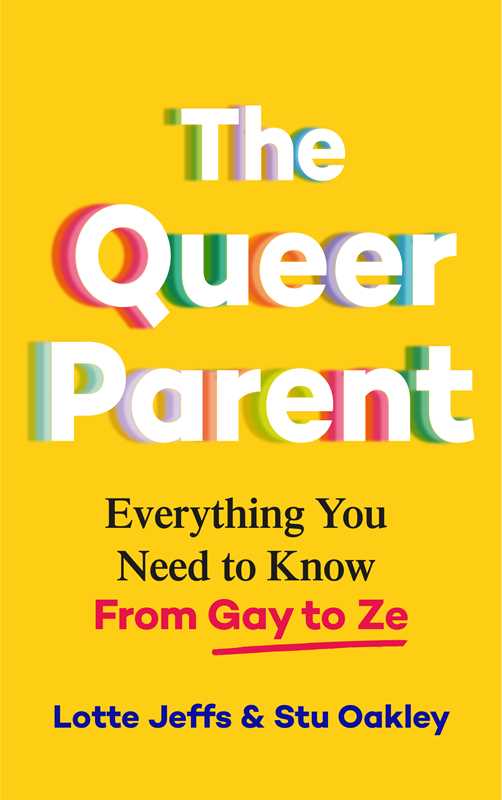
[Start Publishing LLC] by Lotte Jeffs: Paperback; 406 pages / English
The only guide you'll ever need when it comes to the ins and outs of queer parenting. . . LGBTQ+ people have more options than ever before when it comes to starting a family, but a lack of both focused information and mainstream representation can leave parents, prospective parents, friends and relatives in the dark. Authors Lotte Jeffs and Stu Oakley spoke to dozens of experts and queer families, and this hugely-needed book is the product of those conversations and their own experiences of becoming parents through IUI and adoption respectively. Ninety percent of queer parenting is just . . . parenting, but being LGBTQ+ when you’re a parent does bring with it a host of conundrums that mainstream guides — which tend to assume heterosexuality — do not address. From adoption, surrogacy, fertility treatment and other routes to parenthood, to donors, trans parenting, how to deal with family-focused homophobia, coming out at the school gates and mu
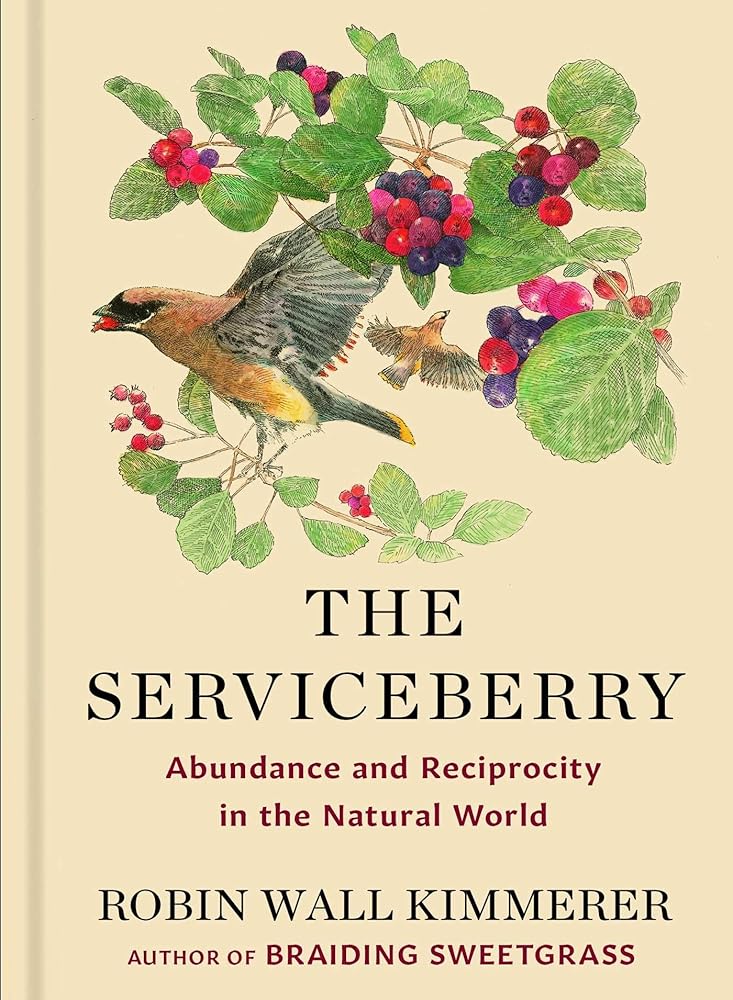
From the #1 New York Times bestselling author of Braiding Sweetgrass, a bold and inspiring vision for how to orient our lives around gratitude, reciprocity, and community, based on the lessons of the natural world.
As Indigenous scientist and author of Braiding Sweetgrass Robin Wall Kimmerer harvests serviceberries alongside the birds, she considers the ethic of reciprocity that lies at the heart of the gift economy. How, she asks, can we learn from Indigenous wisdom and the plant world to reimagine what we value most? Our economy is rooted in scarcity, competition, and the hoarding of resources, and we have surrendered our values to a system that actively harms what we love. Meanwhile, the serviceberry’s relationship with the natural world is an embodiment of reciprocity, interconnectedness, and gratitude. The tree distributes its wealth—its abundance of sweet, juicy berries—to meet the needs of its natural community. And this distribution insures its own survival. As Kimmerer explains, “Serviceberries show us another model, one based upon reciprocity, where wealth comes from the quality of your relationships, not from the illusion of self-sufficiency.”
As Elizabeth Gilbert writes, Robin Wall Kimmerer is “a great teacher, and her words are a hymn of love to the world.” The Serviceberry is an antidote to the broken relationships and misguided goals of our times, and a reminder that “hoarding won’t save us, all flourishing is mutual.”
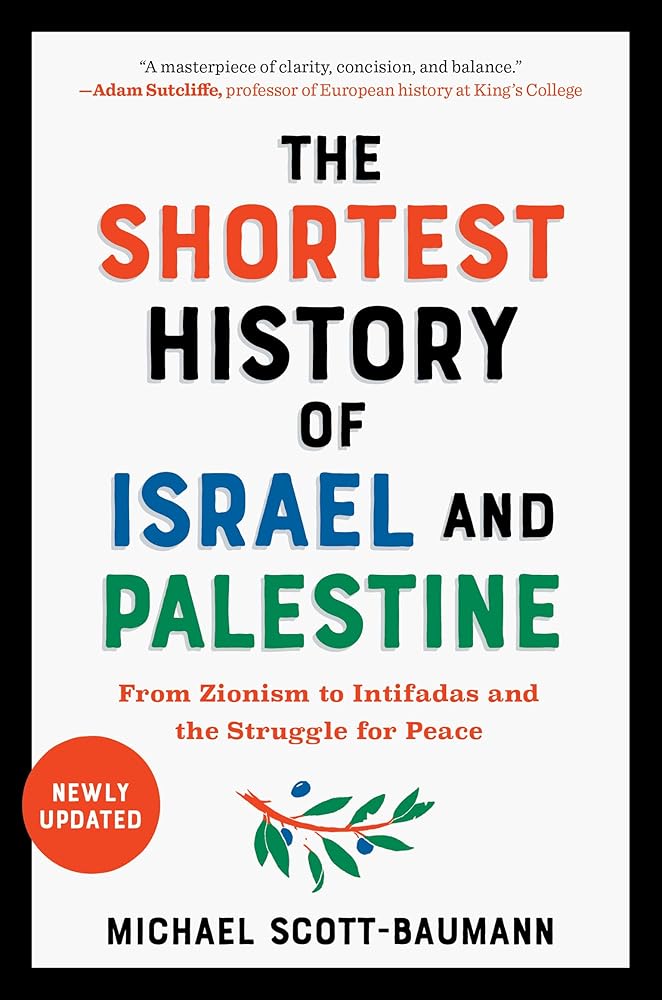
An accessible chronicle of how the Israel-Palestine conflict originated and developed over the past century. The Shortest History books deliver thousands of years of history in one riveting, fast-paced read.
The ongoing struggle between Israel and Palestine is one of the most bitter conflicts in history, with profound global consequences. In this book, Middle East expert Michael Scott-Baumann succinctly describes its origins and charts its evolution from civil war to the present day. Each chapter offers a lucid explanation of the politics and ends with personal testimony from Palestinians and Israelis whose lives have been impacted by the dispute.
While presenting competing interpretations, Scott-Baumann examines the key flash points, including the early role of the British, the establishment of the state of Israel in 1948, the Six-Day War of 1967, and the Trump administration’s peace plan, pitched as “the deal of the century,” in 2020. He delineates both the nature of Israeli control over the Palestinian territories and Palestinian resistance―going to the heart of the clashes in recent decades. The result is an indispensable history, including a time line, glossary, and analysis of why efforts to restore peace have continually failed and what it will take to succeed. 45 B&W maps and images
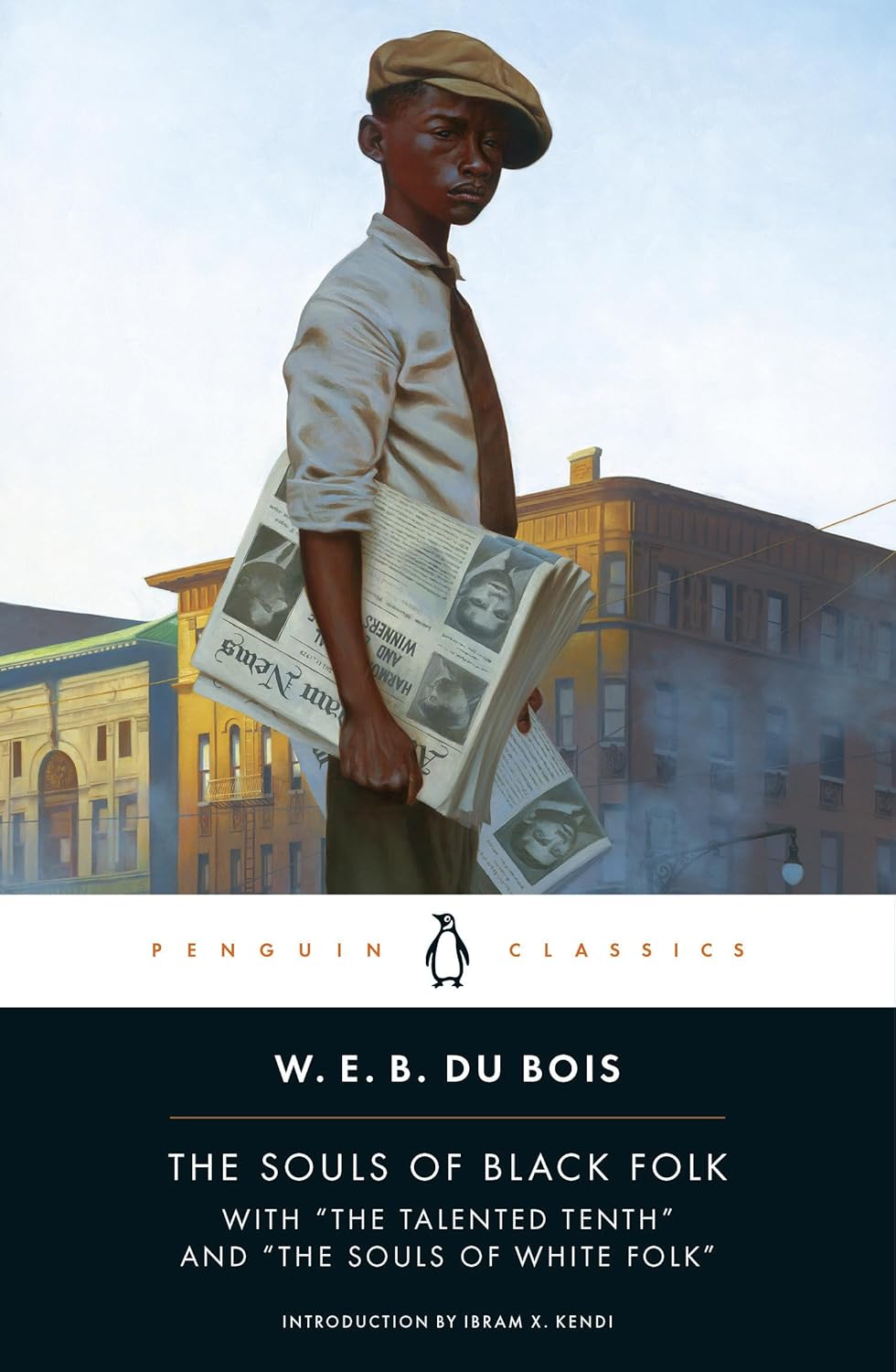
The Souls of Black Folk: With "The Talented Tenth" and "The Souls of White Folk"
$14.00
Unit price perThe Souls of Black Folk: With "The Talented Tenth" and "The Souls of White Folk"
$14.00
Unit price perBy: W. E. B. Du Bois (Author), 1996, Paperback
The landmark book about being black in America, now in an expanded edition commemorating the 150th anniversary of W. E. B. Du Bois’s birth and featuring a new introduction by Ibram X. Kendi, the #1 New York Times bestselling author of How to Be an Antiracist, and cover art by Kadir Nelson
“The problem of the Twentieth Century is the problem of the color-line.”
When The Souls of Black Folk was first published in 1903, it had a galvanizing effect on the conversation about race in America—and it remains both a touchstone in the literature of African America and a beacon in the fight for civil rights. Believing that one can know the “soul” of a race by knowing the souls of individuals, W. E. B. Du Bois combines history and stirring autobiography to reflect on the magnitude of American racism and to chart a path forward against oppression, and introduces the now-famous concepts of the color line, the veil, and double-consciousness.
This edition of Du Bois’s visionary masterpiece includes two additional essays that have become essential reading: “The Souls of White Folk,” from his 1920 book Darkwater, and “The Talented Tenth.”
For more than seventy years, Penguin has been the leading publisher of classic literature in the English-speaking world. With more than 1,800 titles, Penguin Classics represents a global bookshelf of the best works throughout history and across genres and disciplines. Readers trust the series to provide authoritative texts enhanced by introductions and notes by distinguished scholars and contemporary authors, as well as up-to-date translations by award-winning translators.

“Perel is a master at what she does.” ―The New Yorker
“[Perel] knows the depth of your shame and the vibrancy of your lust.”- The New York Times
From iconic couples’ therapist and bestselling author of Mating in Captivity comes a provocative and controversial look at infidelity with practical, honest, and empathetic advice for how to move beyond it.
An affair can rob a couple of their relationship, their happiness, their very identity. And yet, this extremely common human experience―universally forbidden yet universally practiced―is poorly understood. Why do people cheat―even those in happy marriages? Why does an affair hurt so much? Do our romantic expectations of marriage set us up for betrayal? Is there such a thing as an affair-proof marriage? Is it possible to love more than one person at once? Can an affair ever help a marriage? For a decade, psychotherapist and New York Times bestselling author Esther Perel traveled the globe and worked with hundreds of couples who have grappled with cheating. In this illuminating book, she weaves real-life case stories with incisive psychological and cultural analysis to provide insights and answers to help couples survive and thrive.
Betrayal hurts, but it can be healed. An affair can even be the doorway to a new marriage―with the same person. Affairs, Perel argues, have a lot to teach us about modern relationships―what we expect, what we think we want, and what we feel entitled to. They offer a unique window into our personal and cultural attitudes about love, lust, and commitment. Through examining illicit love from multiple angles, Perel invites readers into an honest, enlightened, and entertaining exploration of modern relationships in its many variations.
“Esther Perel is widely recognized as the world’s leading expert on marriage.”- Sunday Times Style
“A fresh look at infidelity.” - Los Angeles Review of Books
“Perel―a whip-smart emotional savant who pierces through human defenses with the efficiency of a surgeon―is a wonder to behold.”- Huffington Post
“She doesn’t peddle in bromides or offer a shoulder to cry on―she’s too busy trying to shake you to your senses, insisting on your agency, your vitality, and your complicity in what happens in your marriage.” - The New York Times
“[The State of Affairs] explores a vast landscape of the adulterous terrain . . . in a way that’s deeply humane and never preachy.” - NPR

By Jamie Raines, 2024, Hardback
A USA TODAY BESTSELLER
A practical and highly accessible guide for those navigating society as a trans person or trying to gain understanding of the trans experience, from psychologist, content creator, and LGBTQ+ advocate Jamie Raines, with over one million YouTube subscribers.
Hey, I'm Jamie, a 29-year-old trans guy from the UK. I've been transitioning for 12 years now after realizing I was trans (by accident!) at sixteen years old. I knew I was a boy since the age of four, but realized while growing up that I was different. It was only in my teens that I found the words to express who I was and what I needed to do. Since then, I've been on testosterone for more than a decade. I've also had top and bottom surgery and legally changed my sex, so I know a few things about the transitioning process and being trans!
I want to welcome you to The T in LGBT where you can explore and learn about so many topics surrounding gender identity: realizing you're trans, starting hormones, considering surgery, and everything in between. Whether you're questioning your own identity and are looking for advice on certain stages of transition, or whether you're wanting to learn about the trans experience to support someone or understand allyship, I hope this book can be your one-stop guide to everything trans related.
And don't just take my word for it either; this book is packed full of advice, tips, and the personal stories of a range of trans voices, because no one journey is the same.
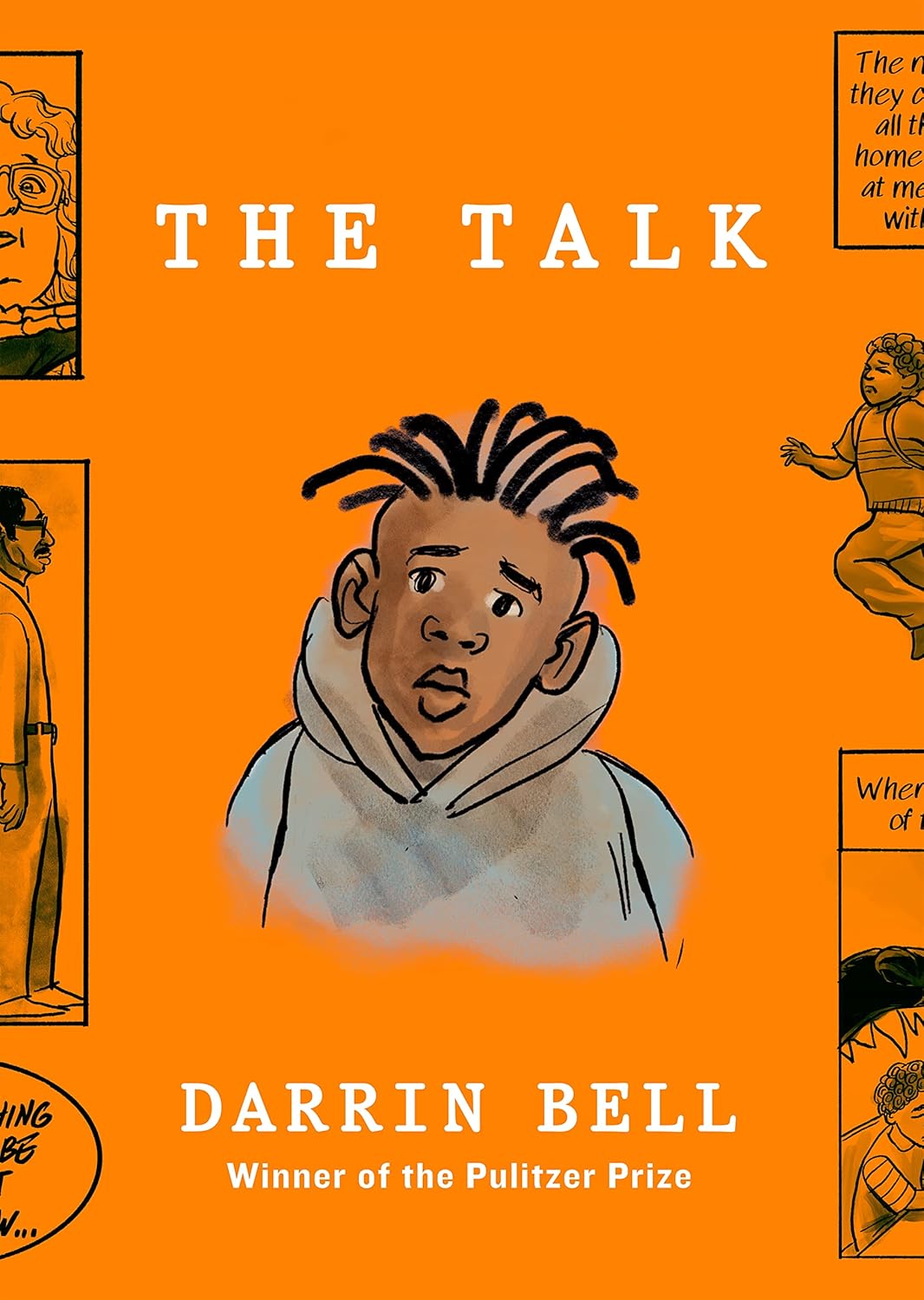
By: Darrin Bell (Author), 2023, Hardcover
Winner of the NAACP Image Award in Outstanding Graphic Novels
Winner of an Alex Award from the American Library Association
Winner of the Libby Award for Best Comic/Graphic Novel of the Year
Finalist for the Dayton Literary Peace Prize in Nonfiction
Nominated for an Eisner Award for Best Graphic Memoir
Nominated for an Ignatz Award for Outstanding Graphic Novel
Named The Year's Best Graphic Novel by Publishers Weekly
Named one of Publishers Weekly's Top Ten Best Books of 2023
Named one of NPR's Books We Love
Named one of Kirkus' Best 2023 Books
Named one of the Washington Post's 10 best graphic novels of 2023
One of TIME Magazine's Must-Read Books of the Year
Shortlisted for the Andrew Carnegie Medal for Excellence in Nonfiction 2024
Booklist Editors' Choice: Graphic Novels, 2023
New York Public Library's Best New Comics of 2023 Top Ten Pick
Chicago Public Library's Best Books of 2023 Top Ten Pick
Named one of School Library Journal's Best Graphic Novels of 2023
Named one of The Guardian's Best Graphic Novels of 2023
Darrin Bell was six years old when his mother told him he couldn’t have a realistic water gun. She said she feared for his safety, that police tend to think of little Black boys as older and less innocent than they really are.
Through evocative illustrations and sharp humor, Bell examines how The Talk shaped intimate and public moments from childhood to adulthood. While coming of age in Los Angeles―and finding a voice through cartooning―Bell becomes painfully aware of being regarded as dangerous by white teachers, neighbors, and police officers and thus of his mortality. Drawing attention to the brutal murders of African Americans and showcasing revealing insights and cartoons along the way, he brings us up to the moment of reckoning when people took to the streets protesting the murders of George Floyd and Breonna Taylor. And now Bell must decide whether he and his own six-year-old son are ready to have The Talk.
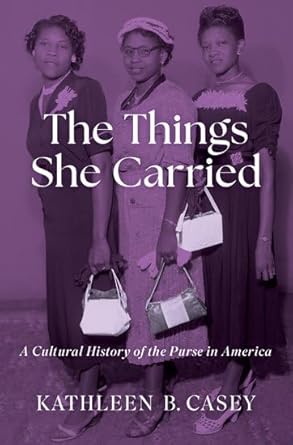
Purses and bags have always been much more than a fashion accessory.
For generations of Americans, the purse has been an essential and highly adaptable object, used to achieve a host of social, cultural, and political objectives. In the early 1800s, when the slim fit of neoclassical dresses made interior pockets impractical, upper-class women began to carry small purses called reticules, which provided them with a private place in a world where they did not have equal access to public space. Although many items of apparel have long expressed their wearer's aspirations, only the purse has offered carriers privacy, pride, and pleasure. This privacy has been particularly important for those who have faced discrimination because of their gender, class, race, citizenship, or sexuality.
The Things She Carried reveals how bags, sacks, and purses provided the methods and materials for Americans' activism, allowing carriers to transgress critical boundaries at key moments. It explores how enslaved people used purses and bags when attempting to escape and immigrant factory workers fought to protect their purses in the workplace. It also probes the purse's nuanced functions for Black women in the civil rights movement and explores how LGBTQ people used purses to defend their bodies and make declarations about their sexuality.
Kathleen Casey closely examines a variety of sources―from vintage purses found in abandoned buildings and museum collections to advertisements, photograph albums, trade journals, newspaper columns, and trial transcripts. She finds purses in use at fraught historical moments, where they served strategic and symbolic functions for their users. The result is a thorough and surprising examination of an object that both ordinary and extraordinary Americans used to influence social, cultural, economic, and political change.
By: Sage Buch (Author), 2023, Paperback, Workbook
"This in-depth exploration of all aspects of physical transition is an accessible and supportive guide for trans men, transmasculine people, and nonbinary people. Drawing on their personal experience and extensive research, Sage Buch walks you through a wide array of safe transition options. Inside, you'll learn about non-medical interventions like chest binding and packing, explore the varieties and effects of hormone replacement therapy, and get a comprehensive primer on choosing, preparing for, and recovering from top and bottom surgery. Medical research and jargon is made accessible, side effects and pros and cons are clearly spelled out, and empowering perspectives help you consider what transition path is right for you. Everything always comes back to checking in with yourself at every step of the way so that you can enjoy the unique self-expression that comes with finding yourself and who you are meant to be. Reading can be enhanced by working through The Transmasculine Guide to Physical Transition Workbook as you read"--

NATIONAL BOOK AWARD FINALIST • One of the first undocumented immigrants to graduate from Harvard reveals the hidden lives of her fellow undocumented Americans in this deeply personal and groundbreaking portrait of a nation.
“Karla’s book sheds light on people’s personal experiences and allows their stories to be told and their voices to be heard.”—Selena Gomez
FINALIST FOR THE NBCC JOHN LEONARD AWARD • NAMED A BEST BOOK OF THE YEAR BY THE LOS ANGELES TIMES, THE NEW YORK TIMES BOOK REVIEW, NPR, THE NEW YORK PUBLIC LIBRARY, BOOK RIOT, LIBRARY JOURNAL, AND TIME
Writer Karla Cornejo Villavicencio was on DACA when she decided to write about being undocumented for the first time using her own name. It was right after the election of 2016, the day she realized the story she’d tried to steer clear of was the only one she wanted to tell. So she wrote her immigration lawyer’s phone number on her hand in Sharpie and embarked on a trip across the country to tell the stories of her fellow undocumented immigrants—and to find the hidden key to her own.
Looking beyond the flashpoints of the border or the activism of the DREAMers, Cornejo Villavicencio explores the lives of the undocumented—and the mysteries of her own life. She finds the singular, effervescent characters across the nation often reduced in the media to political pawns or nameless laborers. The stories she tells are not deferential or naively inspirational but show the love, magic, heartbreak, insanity, and vulgarity that infuse the day-to-day lives of her subjects.
In New York, we meet the undocumented workers who were recruited into the federally funded Ground Zero cleanup after 9/11. In Miami, we enter the ubiquitous botanicas, which offer medicinal herbs and potions to those whose status blocks them from any other healthcare options. In Flint, Michigan, we learn of demands for state ID in order to receive life-saving clean water. In Connecticut, Cornejo Villavicencio, childless by choice, finds family in two teenage girls whose father is in sanctuary. And through it all we see the author grappling with the biggest questions of love, duty, family, and survival.
In her incandescent, relentlessly probing voice, Karla Cornejo Villavicencio combines sensitive reporting and powerful personal narratives to bring to light remarkable stories of resilience, madness, and death. Through these stories we come to understand what it truly means to be a stray. An expendable. A hero. An American.
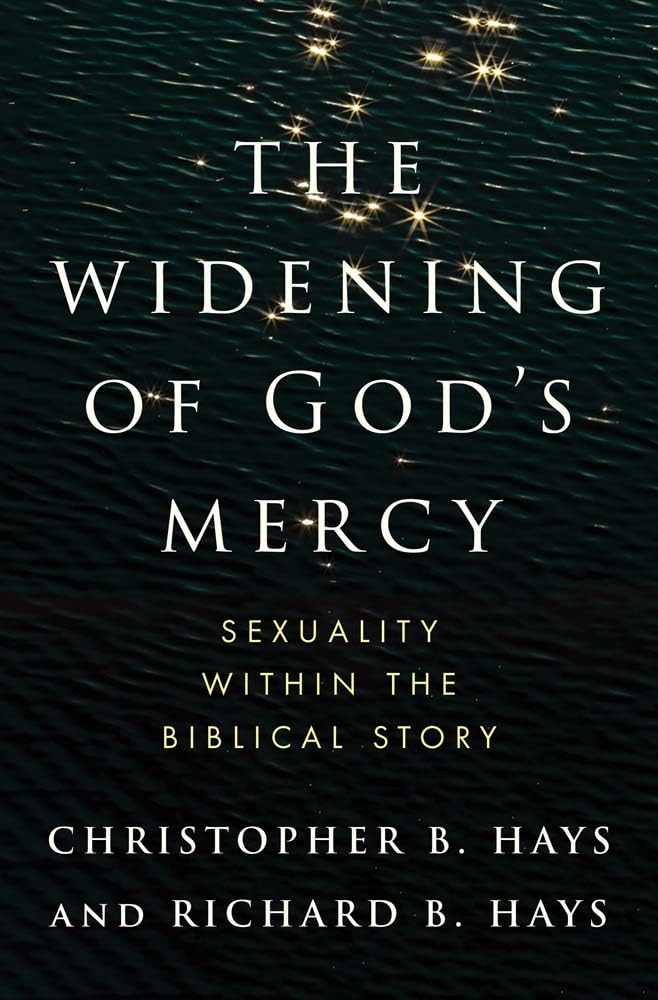
By: Christopher B Hays (Author), Richard B Hays (Author), 2024, Hardcover
A fresh, deeply biblical account of God’s expanding grace and mercy, tracing how the Bible’s narrative points to the full inclusion of LGBTQ people in Christian communities
Discussions of the Bible and human sexuality often focus on a scattered handful of specific passages. But arguments about this same set of verses have reached an impasse, two leading biblical scholars believe; these debates are missing the forest for the trees.
In this learned and beautifully written book, Richard and Christopher Hays explore a more expansive way of listening to the overarching story that scripture tells. They remind us of a dynamic and gracious God who is willing to change his mind, consistently broadening his grace to include more and more people. Those who were once outsiders find themselves surprisingly embraced within the people of God, while those who sought to enforce exclusive boundaries are challenged to rethink their understanding of God’s ways.
The authors—a father and son—point out ongoing conversations within the Bible in which traditional rules, customs, and theologies are rethought. They argue that God has already gone on ahead of our debates and expanded his grace to people of different sexualities. If the Bible shows us a God who changes his mind, they say, perhaps today’s Christians should do the same. The book begins with the authors’ personal experiences of controversies over sexuality and closes with Richard Hays’s epilogue reflecting on his own change of heart and mind.

In Arab culture, tradition often dictates an individual's role in a family, with personal desires subsumed in favour of unity. So, what happens when Queer Arabs challenge and re-imagine these expectations?
This Queer Arab Family celebrates the beauty of chosen kin and the everyday acts of care and survival that bind Queer Arabs to each other. Here, ten LGBTQ+ writers from across the Arab world and diaspora redefine what family looks like. From raising children with mum and mum, to becoming an OnlyFans star and building a non-binary belly dancing robot, these writers illuminate, through their own lived experiences, how queer joy and community can be found in the most unexpected places.
Fierce, vibrant and unapologetic, This Queer Arab Family honours the spirit of those who, despite challenges, build community and family on their own terms.
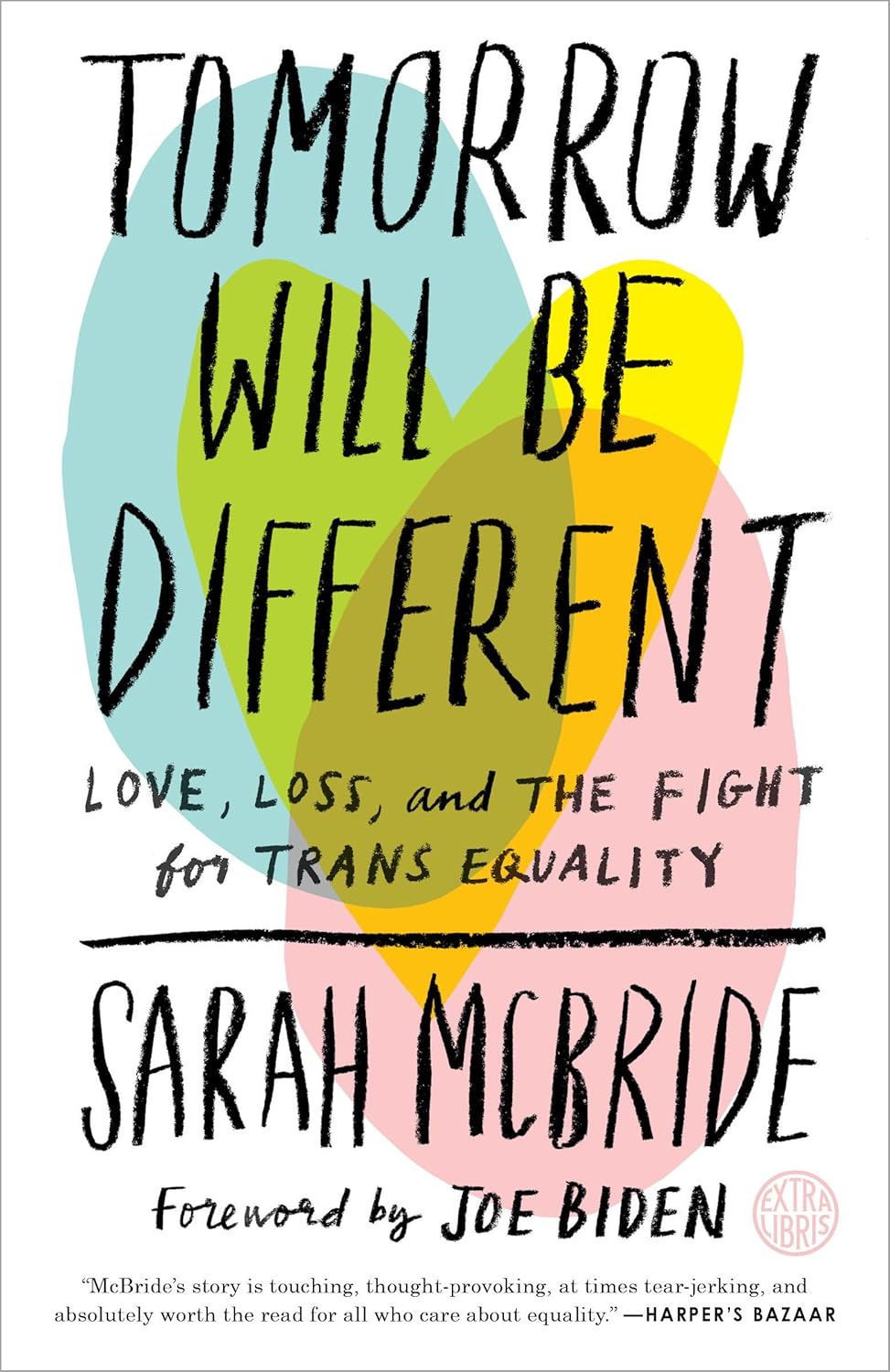
By Sarah McBride, 2019, Paperback
“A brave, powerful memoir” (People) that will change the way we look at identity and equality in this country, from the activist elected as the first openly transgender member of Congress in U.S. history
“The energy and vigor Sarah has brought to the fight for equality is ever present in this book.”—Vice President Kamala Harris
“If you’re living your own internal struggle, this book can help you find a way to live authentically, fully, and freely. . . . Let it show that we are all created equal and entitled to be treated with dignity and respect.”—President Joe Biden, from the foreword
Before she became the first transgender person to speak at a national political convention in 2016 at the age of twenty-six, Sarah McBride struggled with the decision to come out—not just to her family but to the students of American University, where she was serving as student body president. She’d known she was a girl from her earliest memories, but it wasn’t until the Facebook post announcing her truth went viral that she realized just how much impact her story could have on the country.
Four years later, McBride was one of the nation’s most prominent transgender activists, walking the halls of the White House, advocating inclusive legislation, and addressing the country in the midst of a heated presidential election. She had also found her first love and future husband, Andy, a trans man and fellow activist, who complemented her in every way . . . until cancer tragically intervened.
Informative, heartbreaking, and profoundly empowering, Tomorrow Will Be Different is McBride’s story of love and loss and a powerful entry point into the LGBTQ community’s battle for equal rights and what it means to be openly transgender. From issues like bathroom access to health care to gender in America, McBride weaves the important political and cultural milestones into a personal journey that will open hearts and change minds.
As McBride urges: “We must never be a country that says there’s only one way to love, only one way to look, and only one way to live.”
The fight for equality and freedom has only just begun.
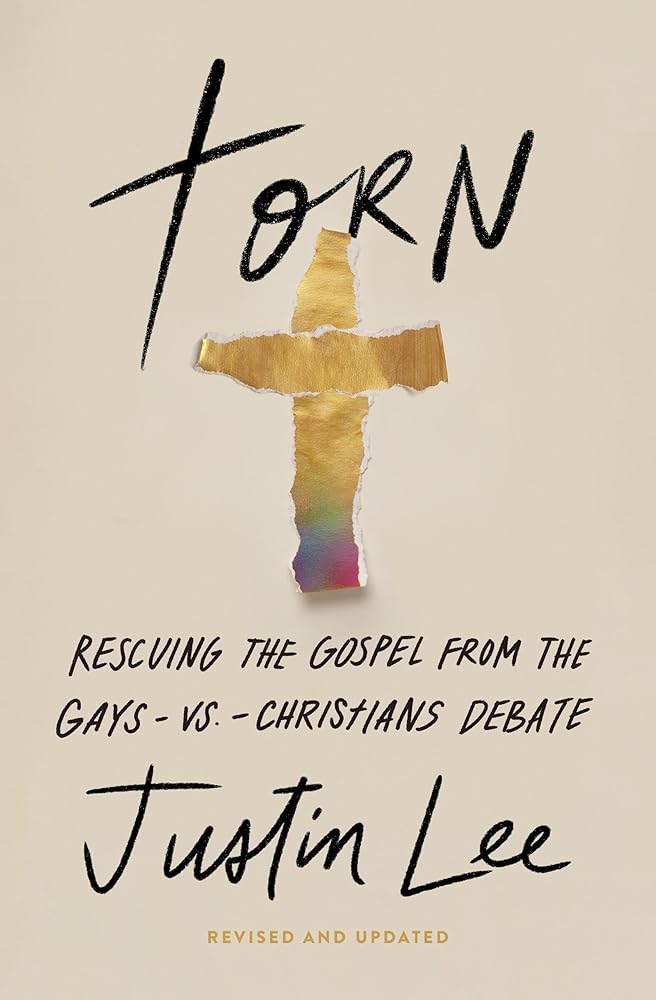
Newly revised and updated!
An evangelical Christian examines the impact of sexuality, the LGBTQ+ movement, and the future of the church in this thoughtful, deeply researched guide to navigating and mending the social and political division in our families and churches.
Nicknamed "God Boy" by his peers, Lee knew that he was called to a life in evangelical Christian ministry. But questions about his own sexuality forced him to rethink his “love the sinner, hate the sin” approach, sending him on a journey to better understand the Bible, the science, and the history of the church’s gay debate—eventually leading him to become one of the most respected voices on the subject on both sides of the divide.
Filled with personal stories and careful research, Torn provides insightful, practical guidance for all committed Christians who wonder how to relate to gay friends or family members—or who struggle with their own sexuality.
Torn has been a trusted resource for over a decade, and this updated edition features new material to address the impact and aftermath of the “ex-gay” movement, gender identity and the broader LGBTQ+ movement, and an updated and expanded look at where the overall affirming Christian movement is going. It also features new practical recommendations for combating the increased polarization that threatens to tear us apart.
Convinced that God’s grace is the key to loving one another without compromise, Lee charts a path for people on both sides of the debate to help mend Christianity’s shattered reputation and bring peace to our families and churches.
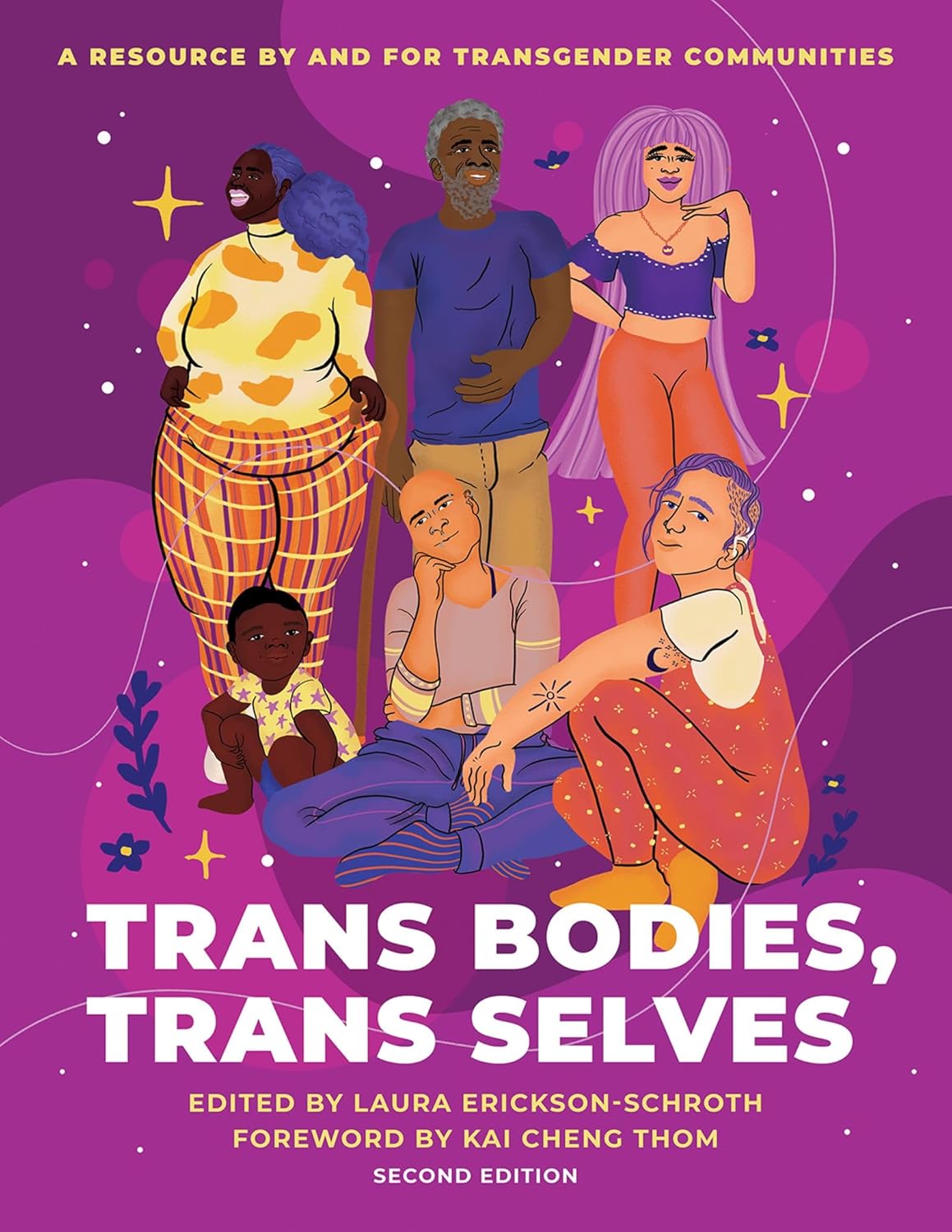
By: Laura Erickson-Schroth (Editor), 2nd Edition, Paperback
There is no one way to be transgender.
Trans Bodies, Trans Selves is a revolutionary resource--a comprehensive, reader-friendly guide for transgender people, with each chapter written by transgender and gender expansive authors. Inspired by Our Bodies, Ourselves, the classic and powerful compendium written by and for cisgender women, Trans Bodies, Trans Selves is widely accessible to the transgender population, providing authoritative information in an inclusive and respectful way and representing the collective knowledge base of dozens of influential experts. Each chapter takes the reader through an important issue, such as race, religion, employment, medical and surgical transition, mental health, relationships, sexuality, parenthood, arts and culture, and many more. Anonymous quotes, testimonials, art and poetry from transgender people are woven throughout, adding compelling, personal voices to every page. In this unique way, hundreds of viewpoints from throughout the community have united to create this strong and pioneering book. It is a welcoming place for transgender and gender-questioning people, their partners and families, students, professors, guidance counselors, and others to look for up-to-date information on transgender life. The content of the second edition of this award-winning resource will be thoroughly updated throughout and will include entirely new stories, artwork, and illustrations as well as dozens of new contributing authors and collaborators.